

Roof Anatomy: 8 Key Components You Must Know
Posted 12.04.25 | 8 Minute Read
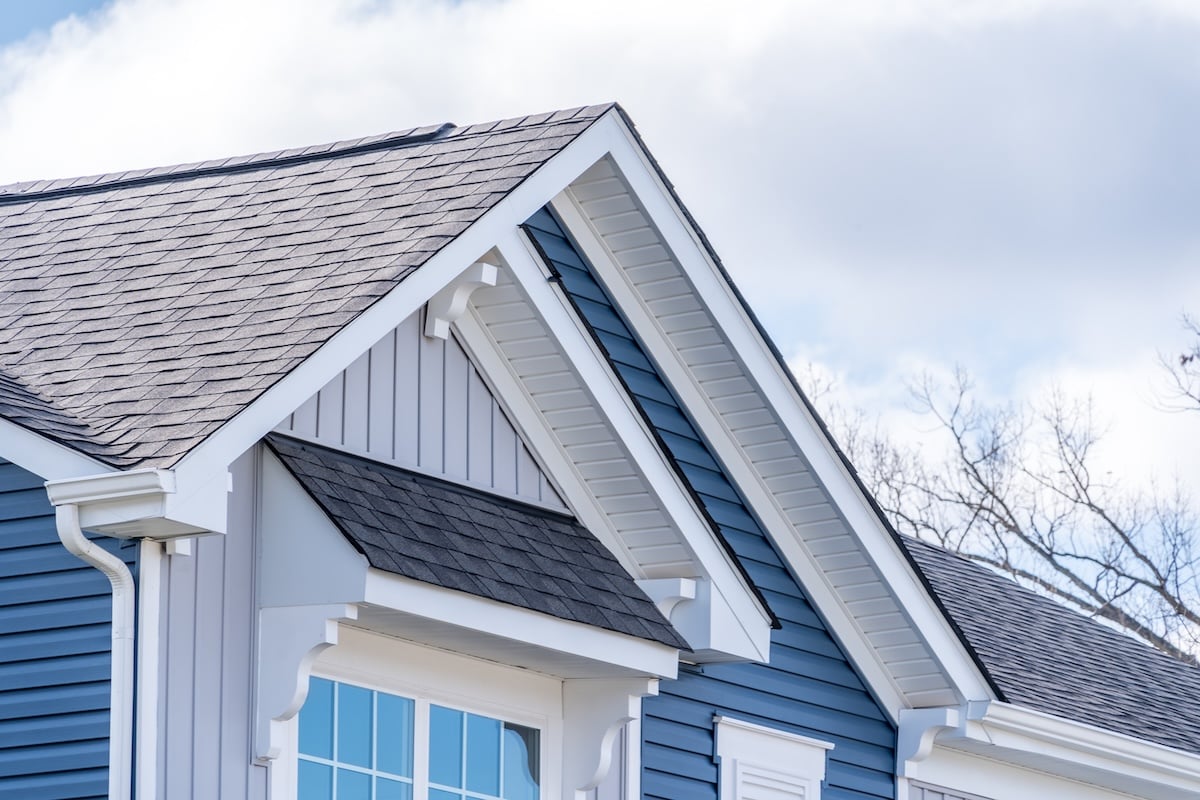
Most homeowners never think about their roof until there’s a leak, missing shingle, or storm damage—but understanding roof anatomy can help you spot potential problems before they become costly repairs. A roof isn’t just shingles and nails; it’s a carefully designed system with layers that work together to protect your home from rain, wind, heat, and time itself.
You can learn more about repair and replacement options through our roofing services designed for Carolina homes.
Here’s what you’ll learn in this guide:
- The major components that make up a complete roof system
- How each part protects your home from water and weather
- Common warning signs when one component begins to fail
- Why ventilation and insulation play bigger roles than most people realize
- Maintenance tips to extend your roof’s lifespan
Why Understanding Roof Anatomy Matters

A roof is one of the largest investments you’ll make in your home, and understanding its structure gives you a major advantage. When you know how it’s built—and how each layer works—you can communicate better with your contractor, evaluate repair recommendations more confidently, and make smarter financial decisions about upkeep.
For homeowners in Davidson and surrounding areas, this knowledge also helps you plan for the local climate, where humidity, summer heat, and seasonal storms all put roofs to the test.
Here’s why it’s worth learning the basics of roof anatomy:
- Informed decision-making: Knowing your roof’s structure helps you compare estimates, materials, and warranties accurately.
- Preventive maintenance: Understanding how parts connect makes it easier to catch small issues before they spread.
- Improved efficiency: A well-balanced system keeps your attic cooler and your energy bills lower.
- Longer roof lifespan: Regularly inspecting each layer can add years of performance to your roof.
- Better protection: When every component is working correctly, your home stays watertight and structurally sound through any season.
Simply put, your roof isn’t just a covering—it’s a complete system that safeguards your home from top to bottom.
8 Key Components of Roof Anatomy
Let’s break down the essential parts of your roof system and how they all work together to form a durable, weather-resistant barrier.
1. Roof Decking (Sheathing)
The roof deck—or sheathing—is the foundation layer that supports everything above it. Typically made of plywood or oriented strand board (OSB), it’s nailed directly to your home’s framing.
Key purposes:
- Provides structural support for shingles, underlayment, and flashing
- Acts as a base layer for fastening roofing materials
- Helps distribute the roof’s weight evenly
If moisture seeps beneath the outer layers, it can rot the decking, compromising the roof’s strength. Signs of trouble include sagging areas or soft spots detected during inspection.
2. Underlayment
Placed directly on top of the decking, underlayment acts as a waterproof shield that blocks moisture before it reaches the wood below. It’s your roof’s secondary line of defense.
Common materials:
- Asphalt-saturated felt (traditional option)
- Synthetic underlayment (modern, more durable alternative)
Underlayment also provides a smooth surface for shingle installation and adds a layer of fire resistance. It’s especially critical for homes in humid climates like Davidson, where moisture protection is a must.
3. Shingles or Roofing Material
Shingles are the most visible part of your roof, but they’re more than just decoration—they’re your primary weather barrier. Asphalt shingles are the most common, though metal, tile, and composite materials are also popular.
Main functions:
- Deflect rain and UV rays
- Enhance curb appeal and home value
- Protect underlying layers from damage
Shingle granules provide color and UV protection, but as they wear off with age, your roof becomes more vulnerable. Keeping an eye out for missing or curling shingles can help you address damage early.
4. Flashing
Flashing is made of metal (usually aluminum or steel) and seals the joints and transitions where water is likely to penetrate—around chimneys, skylights, vents, and valleys.
Flashing details:
- Prevents leaks in high-risk areas
- Directs water away from vulnerable joints
- Must be properly sealed to remain watertight
If flashing rusts, loosens, or cracks, leaks can develop even if your shingles are still in good shape. Regular inspection of flashing areas prevents water intrusion at roof intersections.
5. Ridge and Hip Caps
The ridge is the highest point of your roof where two slopes meet, while hips are the diagonal lines where roof planes intersect. Specially designed ridge and hip cap shingles cover these lines to ensure full protection and a finished appearance.
Benefits include:
- Added protection against wind and rain at roof peaks
- Improved ventilation for attic airflow
- A polished look that complements your roof design
Many roofing systems use matching ridge caps to blend seamlessly with your chosen shingle color, enhancing both performance and style.
6. Ventilation System

Proper ventilation is one of the most overlooked yet vital aspects of roof anatomy. It controls temperature and moisture in the attic, helping your entire home function more efficiently.
Ventilation includes:
- Intake vents along soffits or eaves
- Exhaust vents near the roof ridge or gables
Without adequate ventilation, heat and humidity build up inside your attic, leading to mold growth, warped decking, and shorter shingle lifespan. A balanced ventilation system allows air to flow naturally from intake to exhaust, keeping conditions stable year-round.
7. Drip Edge and Gutters
The drip edge is a thin metal strip installed along the roof edges to guide water into your gutters rather than down the fascia. Gutters and downspouts then channel that water safely away from your home’s foundation.
Why it matters:
- Prevents water damage to siding and fascia boards
- Stops leaks along roof edges
- Protects landscaping and structural foundation
If gutters are clogged or drip edges are missing, water can back up and cause rot or interior leaks. Regular cleaning and inspection are key maintenance tasks.
8. Insulation and Attic Barrier
Your roof’s insulation layer helps regulate indoor temperature and prevents heat transfer. Combined with attic ventilation, it plays a major role in energy efficiency.
Insulation benefits:
- Keeps indoor temperatures stable
- Reduces heating and cooling costs
- Prevents condensation in attic spaces
Insulation also reduces the strain on your HVAC system and contributes to your home’s overall comfort.
Enhancing Roof Performance Beyond the Basics
While understanding the main parts of roof anatomy is important, optimizing each component can dramatically improve overall performance. Below are ways to make your roof more efficient and long-lasting.
Improve Roof Ventilation
Upgrading or adding vents helps maintain balanced airflow, reducing moisture and heat buildup. Homeowners in humid areas like Davidson benefit greatly from ridge vents combined with soffit intake vents.
Choose High-Quality Underlayment
Synthetic underlayments are stronger, lighter, and more water-resistant than traditional felt paper. Investing in this layer adds extra protection for decades.
Add Proper Flashing Reinforcement
Installing ice and water shields in roof valleys or around chimneys creates additional barriers against leaks—especially during heavy storms or freeze-thaw cycles.
Schedule Regular Inspections
Professional inspections every spring and fall help identify small problems like lifted shingles or clogged vents before they become major issues. Great State Roofing provides detailed inspections tailored to local weather conditions.
Comparing Roof Components: Basic vs. Premium Systems
If you’re planning a roof replacement, it helps to understand how standard components compare with premium options.
| Component | Standard Option | Premium Option | Benefit |
| Underlayment | Felt paper | Synthetic underlayment | Longer lifespan, better moisture resistance |
| Shingles | 3-tab asphalt | Architectural or metal | Improved appearance and durability |
| Ventilation | Basic ridge vent | Ridge + soffit system | Superior airflow and energy efficiency |
| Flashing | Standard aluminum | Heavy-gauge steel | Enhanced longevity and leak prevention |
| Insulation | Standard fiberglass | Spray foam or radiant barrier | Greater energy savings |
Investing in upgraded materials often pays off by extending your roof’s life and improving energy efficiency.
Maintenance Tips to Extend Roof Life
Once you understand your roof’s anatomy, maintaining it becomes much easier. Regular upkeep prevents costly replacements and keeps every component functioning properly.
- Inspect twice a year: Look for missing shingles, rusted flashing, and gutter buildup.
- Trim trees near the roofline: Branches can scratch shingles or deposit leaves that trap moisture.
- Clean gutters regularly: Ensure water flows freely to prevent foundation and fascia damage.
- Check attic ventilation: Poor airflow can cause heat damage or mold growth.
- Address small leaks quickly: Even tiny water spots on ceilings indicate roof issues that need attention.
By staying proactive, you can often double the lifespan of your roof compared to neglected systems.

Protecting Your Home with Knowledge and Professional Care
A roof is more than just shingles—it’s a layered, engineered system designed to defend your home from nature’s harshest elements. Understanding roof anatomy gives you the power to protect your investment and recognize when maintenance or replacement is necessary.
If you live in Davidson or surrounding areas and want a professional inspection or detailed roof assessment, Great State Roofing is here to help. Our experienced team will evaluate each part of your roof, from decking to ridge vents, and provide transparent recommendations tailored to your home’s needs.
To schedule an inspection or learn more about your roof’s health, contact us today and let Great State Roofing help you keep your home strong, efficient, and protected year-round.

Very professional. Quality work. I would highly recommend for any roofing needs.

Matt V

