

Roof Waterproofing Solutions (Stop Leaks)
Posted 12.30.25 | 7 Minute Read
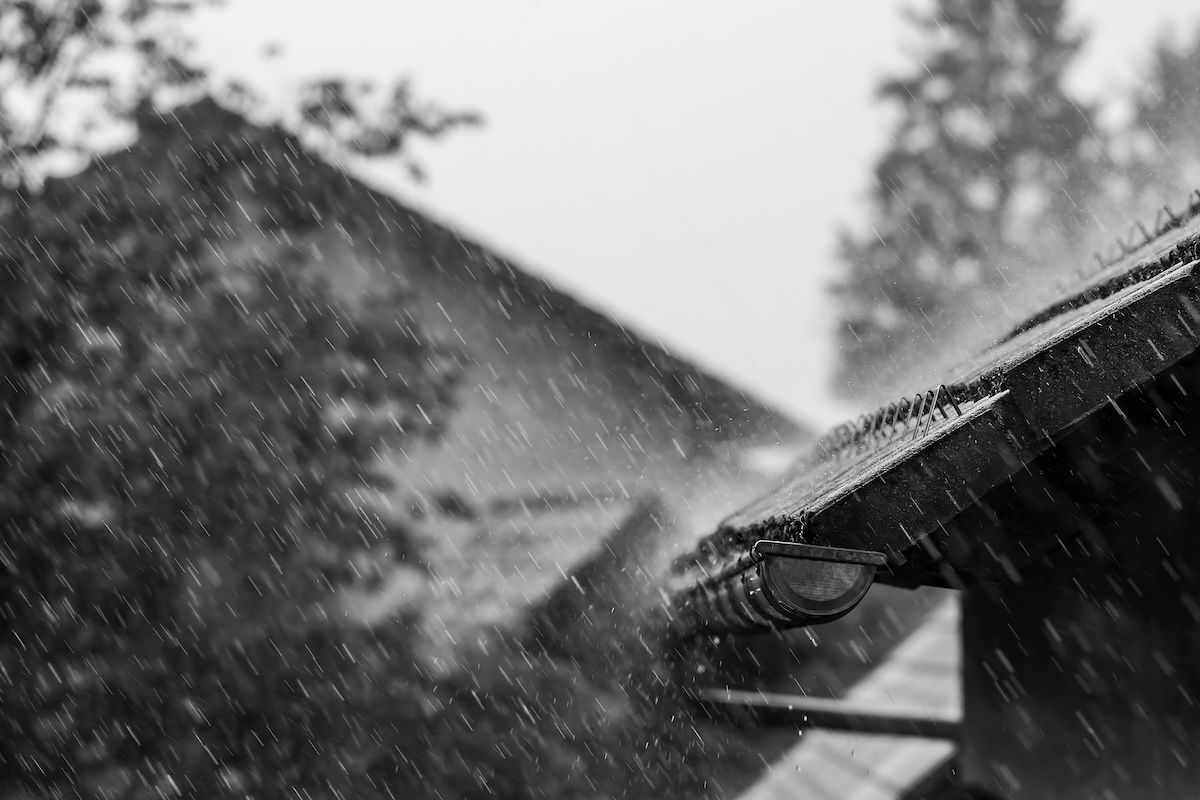
Your roof is designed to protect your home from the elements, but even the strongest materials can let water through over time. Rain, humidity, and temperature changes all take a toll, creating small vulnerabilities that can lead to leaks. Investing in roof waterproofing ensures your roof can handle every season without costly damage. Whether you live in Charlotte and surrounding areas or anywhere with unpredictable weather, keeping your roof watertight is one of the smartest maintenance decisions you can make.
In this guide, you’ll learn:
- What roof waterproofing is and how it works
- Why every homeowner needs waterproofing protection
- The most effective waterproofing materials and methods
- Step-by-step solutions to prevent leaks
- How to choose the right contractor for long-term results
Why Roof Waterproofing Is Essential for Every Home

A roof’s main job is to keep moisture out—but without proper waterproofing, even a new roof can develop leaks faster than expected. Waterproofing adds an extra layer of defense that helps prevent structural decay, mold growth, and costly repairs.
The humid climate and heavy rains common to Charlotte and surrounding areas make roofs particularly vulnerable to moisture infiltration. Understanding why waterproofing matters can help you avoid future headaches and preserve your property’s integrity.
- Leak Prevention: A waterproofing system seals small cracks, nail holes, and seams that can let water in over time.
- Mold and Mildew Protection: By preventing moisture buildup, you also protect insulation and attic spaces from harmful mold growth.
- Energy Efficiency: A dry, insulated roof improves overall temperature regulation, reducing heating and cooling costs.
- Structural Longevity: Water infiltration weakens wood decking and fasteners—proper waterproofing keeps the roof system strong.
- Property Value: Homes with well-protected roofs maintain better resale value and inspection results.
For homeowners in regions that see seasonal storms or extreme temperature swings, investing in waterproofing is not optional—it’s preventive maintenance at its best.
6 Roof Waterproofing Solutions to Stop Leaks Fast
There’s no one-size-fits-all approach to waterproofing. The right method depends on your roof’s material, slope, and age. Below are six proven solutions that can stop leaks and keep your roof performing its best.
1. Apply Liquid Waterproof Coatings
Liquid coatings are one of the most versatile waterproofing methods available. These products form a seamless, flexible membrane that blocks water and reflects heat.
How it works:
- The coating is brushed, rolled, or sprayed onto the roof surface.
- Once cured, it creates a continuous protective layer.
- It can be applied over asphalt shingles, metal, or flat roofing materials.
Advantages:
- Seals small cracks and joints effectively
- Resistant to UV rays and temperature changes
- Ideal for both new and existing roofs
Common coating materials include silicone, acrylic, and polyurethane. Silicone coatings, in particular, are popular in Charlotte and surrounding areas because of their resistance to heavy rain and humidity.
2. Install Roof Underlayment Barriers
Underlayment is the hidden hero beneath your shingles or tiles. It adds an essential layer of moisture protection between your roof deck and outer covering.
Types of underlayment:
- Synthetic underlayment: Durable, lightweight, and water-resistant.
- Rubberized asphalt: Fully waterproof and self-sealing around nails.
- Felt underlayment: More traditional but less moisture-resistant.
Upgrading your underlayment during a roof replacement is one of the most effective long-term waterproofing investments.
3. Reinforce Roof Flashing
Flashing protects the vulnerable areas of your roof—where surfaces meet at edges, chimneys, or vents. Over time, flashing can loosen or corrode, creating an entry point for water.
To waterproof flashing:
- Inspect and replace damaged sections.
- Apply roofing sealant or flashing tape over seams.
- Use high-quality metal flashing for better longevity.
Proactive flashing maintenance prevents leaks where most water problems start.
4. Improve Roof Drainage Systems
Even the best waterproofing won’t help if water can’t drain properly. Pooling water increases the risk of leaks, particularly on low-slope roofs.
Effective drainage upgrades include:
- Installing larger gutters and downspouts.
- Adding scuppers or roof drains for flat roofs.
- Keeping gutters free of debris with regular cleaning.
Ensuring proper drainage is essential for homes in areas like Charlotte and surrounding areas, where heavy rainstorms are common.
5. Use Waterproof Membranes for Flat Roofs
Flat and low-slope roofs require specialized waterproofing systems. Unlike pitched roofs, they don’t shed water quickly, so a durable membrane is essential.
Popular options:
- EPDM (rubber membrane): Flexible and resistant to UV exposure.
- TPO (thermoplastic): Reflective, energy-efficient, and easy to install.
- PVC membrane: Long-lasting and ideal for commercial or high-traffic areas.
These membranes can last 20–30 years when properly maintained and inspected regularly.
6. Seal Roof Joints and Penetrations
Every vent, chimney, and skylight creates an opportunity for water intrusion. Proper sealing around these joints ensures complete waterproof protection.
Best practices:
- Use premium-grade sealants designed for roofing.
- Replace cracked or brittle caulk as soon as possible.
- Reinforce joints with flashing tape for extra durability.
These small touches often prevent the majority of roof leaks homeowners encounter.

Signs Your Roof Needs Waterproofing
Water damage can develop quietly, showing up only after the problem has worsened. Knowing what to look for can help you take action before the damage spreads.
Common warning signs include:
- Brown stains or damp spots on ceilings and walls
- Peeling paint or bubbling drywall
- Moldy or musty odors in the attic
- Shingles that curl, crack, or lift at the edges
- Dark streaks or algae growth on the roof surface
If you notice any of these issues, schedule an inspection right away. In many cases, adding or renewing waterproofing can stop leaks before they become expensive structural problems.
Choosing the Right Waterproofing Material
Different roofing systems require different waterproofing approaches. Here’s a quick comparison of popular waterproofing materials and their key benefits.
| Material Type | Best For | Lifespan | Key Advantage | Cost Range |
| Silicone Coating | Flat or metal roofs | 15–20 years | Reflects heat and resists UV damage | $$ |
| Acrylic Coating | Sloped roofs | 10–15 years | Affordable and energy efficient | $ |
| Polyurethane | High-traffic roofs | 15–25 years | Strong impact resistance | $$ |
| EPDM Rubber Membrane | Flat roofs | 20–30 years | Flexible and weather-resistant | $$$ |
| Rubberized Asphalt Underlayment | Shingle roofs | 25–30 years | Fully waterproof and self-sealing | $$$ |
Working with a professional ensures the right product is selected based on your roof’s slope, exposure, and material type.
How to Maintain a Waterproof Roof
Once your roof has been treated or sealed, ongoing maintenance is key to keeping it watertight. Even the most advanced waterproofing systems require periodic checks.
Schedule Annual Roof Inspections
Professional inspections help identify weak spots before they turn into leaks. Roofers can check sealant quality, flashing integrity, and drainage efficiency.
Keep Gutters and Downspouts Clean
Clogged gutters cause water to pool and overflow, damaging your roof edge and fascia boards. Cleaning them twice a year—especially in fall and spring—keeps water flowing where it should.
Watch for Ponding Water
Flat roofs are especially prone to ponding after heavy rain. Standing water weakens membranes and accelerates wear. Adding proper drainage or adjusting slopes can prevent long-term issues.
Reapply Coatings as Needed
Liquid waterproof coatings eventually wear down. Reapplying every 10–15 years restores protection and improves energy efficiency.
Trim Nearby Trees
Overhanging branches drop leaves and debris, which can block gutters or scrape your roof surface. Trimming trees back at least six feet helps minimize damage.

Comparing DIY vs. Professional Waterproofing
Homeowners sometimes attempt to apply roof coatings or sealants themselves. While small touch-ups can be handled DIY, full waterproofing should typically be left to experts.
| Aspect | DIY Waterproofing | Professional Waterproofing |
| Cost | Lower upfront, may need frequent reapplication | Higher upfront, lasts longer |
| Safety | Moderate to risky (requires roof access) | Safe, handled by trained crews |
| Effectiveness | Limited coverage, may miss problem areas | Thorough sealing and inspection |
| Warranty | Usually none | Often includes product and labor warranty |
| Durability | 1–5 years on average | 10–25 years depending on system |
Professional roofers use specialized tools, primers, and high-quality materials to ensure a complete waterproof seal that stands up to years of weather exposure.
Protect Your Home with Long-Term Roof Solutions
Roof waterproofing isn’t just about fixing leaks—it’s about preventing them before they start. A properly sealed roof safeguards your home, improves efficiency, and gives you peace of mind every time it rains. Whether your property is brand new or several decades old, waterproofing ensures lasting protection from the top down.
If you’re located in Charlotte and surrounding areas and want to make sure your roof is leak-free, Great State Roofing can help. Our team provides expert inspections, repair recommendations, and advanced waterproofing solutions tailored to your home’s unique needs.
To schedule an inspection or learn more about keeping your roof watertight, contact us today and speak with Great State Roofing about the best waterproofing options for your home.
Very professional. Quality work. I would highly recommend for any roofing needs.

Matt V

