

Signs of Hail Damage on Roof Shingles (Explained)
Posted 1.01.26 | 8 Minute Read

Hailstorms can leave behind more than just dents in cars and gutters—they can quietly compromise your roof’s integrity. Recognizing the signs of hail damage on roof shingles early can save you thousands in future repairs or replacements. Many homeowners in Mooresville and surrounding areas experience frequent seasonal storms, but not everyone knows how to spot roof damage until leaks appear. Understanding what to look for helps you take fast action to protect your home.
In this guide, you’ll learn:
- How hail affects different roofing materials
- Visible and hidden signs of hail damage on shingles
- When to call for a professional inspection
- How to work with insurance for storm-related repairs
- Preventive steps to protect your home from future hail damage
Why Recognizing Hail Damage Matters
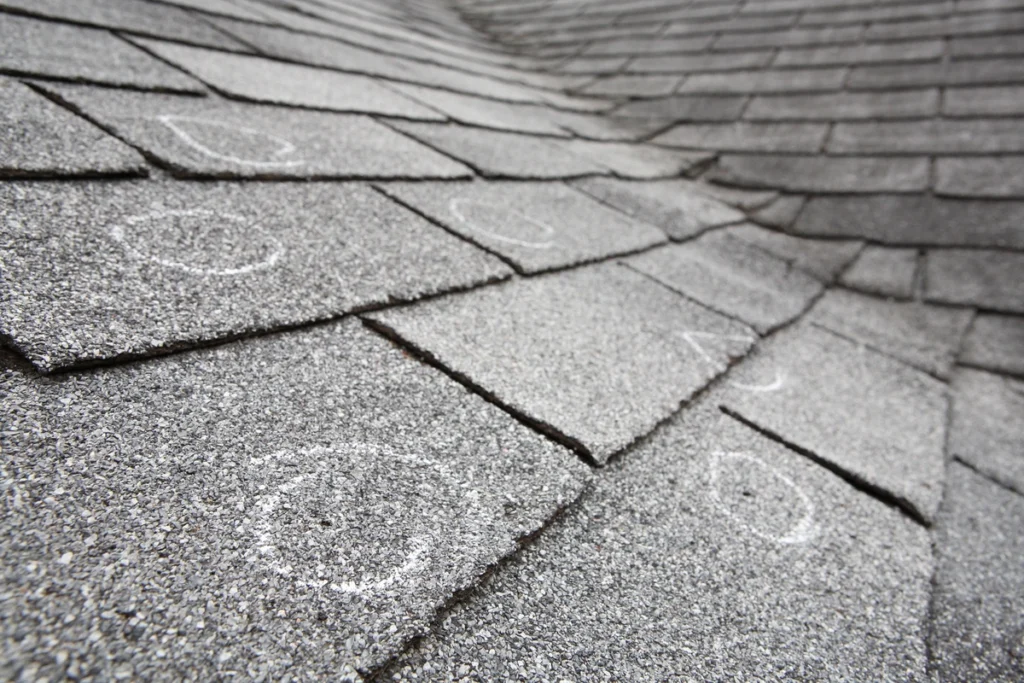
After a hailstorm, roof damage isn’t always visible from the ground. Shingles can appear intact while the underlying structure weakens, setting the stage for leaks and insulation problems months later. Identifying issues early ensures your roof can still perform its most important function—keeping water out.
For homeowners in Mooresville and surrounding areas, hailstorms can strike with little warning, leaving behind subtle yet costly effects. Knowing what hail damage looks like helps you act quickly and preserve your home’s safety and value.
- Prevent Expensive Repairs: Early detection means addressing issues before they worsen and lead to costly water or structural damage.
- Maintain Warranty Coverage: Some shingle warranties require timely inspections after storm events to remain valid.
- Protect Home Value: A well-maintained roof keeps your property market-ready and attractive to buyers.
- Avoid Hidden Leaks: Damage that goes unnoticed can allow water infiltration, causing rot and mold inside your attic.
- Simplify Insurance Claims: Identifying damage early makes documentation and claim approvals faster.
6 Clear Signs of Hail Damage on Roof Shingles
Not all storm damage looks the same. The severity depends on hail size, wind speed, roof pitch, and the materials used. These six signs will help you determine whether your roof may have been affected.
1. Bruised or Soft Spots on Shingles
The most common indicator of hail damage is bruising—small, dark areas that feel soft to the touch. Hailstones can dislodge granules and dent the asphalt layer underneath.
What to look for:
- Round, dark spots or bruises the size of a dime or quarter
- Granule loss revealing a darker asphalt base
- A soft “give” when you press gently on the affected area
Bruised shingles may not leak immediately but will deteriorate faster over time, shortening your roof’s lifespan.
2. Missing Granules or Exposed Asphalt
Asphalt shingles are coated with protective granules that shield them from UV damage. Hail impact knocks these granules off, leaving bald patches.
Check for:
- Granules collecting in gutters or at the base of downspouts
- Shiny or black areas where asphalt is exposed
- Uneven color patches across roof sections
Without this protective layer, shingles become brittle and susceptible to cracking or curling.
3. Cracked or Split Shingles
Large hailstones can crack shingles completely, especially when combined with strong wind gusts. Cracks may appear straight or spiderweb-like depending on the force of impact.
Common locations:
- Near roof edges where wind pressure is strongest
- Around flashing, chimneys, or skylights
- On slopes facing the direction of the storm
Cracks break the watertight seal between shingles, allowing rainwater to penetrate the underlayment and decking.
4. Dents in Gutters, Flashing, or Vents
Sometimes, the easiest way to confirm hail damage isn’t on the roof itself but around it. Metal components like flashing and gutters show dents more clearly.
Inspect for:
- Circular dents in aluminum gutters or downspouts
- Bent flashing around chimneys or vents
- Dimple marks on metal roof vents or skylight frames
These signs indicate the hailstorm was severe enough to impact the roof surface as well.
5. Damaged Roof Ridge Caps
Ridge caps—the shingles covering the roof’s peaks—are the most exposed areas and often show the first signs of hail impact.
Typical indicators:
- Round dents or cracks on the top ridges
- Missing granules along the centerline
- Creased or curled edges where shingles were hit directly
Ridge damage should be repaired promptly, as it often exposes vulnerable seams underneath.
6. Water Stains or Leaks Indoors
If hail damage goes unnoticed, interior warning signs may eventually appear. Leaks are often the final symptom of long-term water intrusion caused by compromised shingles.
Watch for:
- Discoloration or dark spots on ceilings and walls
- Peeling paint near the attic or upper floors
- Musty odors indicating trapped moisture
- Damp insulation or warped wood in the attic
By the time leaks appear, repairs may involve both roofing and interior restoration, which can quickly escalate costs.

What Makes Hail Damage Worse Over Time
Even minor hail impact can shorten your roof’s lifespan if left untreated. Small cracks and bruises expand through exposure to sunlight, moisture, and temperature changes.
Accelerated Aging
When granules are removed, the underlying asphalt layer deteriorates faster from UV exposure, causing brittleness and curling.
Moisture Penetration
Water seeps through cracks and soft spots, leading to wood rot, rusted fasteners, and mold growth inside your attic or ceiling.
Structural Weakness
As moisture spreads, roof decking and support beams can warp or decay, compromising the entire system’s stability.
Insurance Complications
Waiting too long to report damage can affect your insurance claim eligibility. Most policies have time limits for storm-related filings.
Regular inspections—especially after storms—help prevent these long-term effects and protect your home’s structural integrity.
How to Check for Hail Damage Safely
While it’s tempting to climb up and inspect your roof, safety should always come first. Use these guidelines for an initial evaluation before contacting a professional.
Ground-Level Check
Start by walking around your property after a storm. Look for visible signs like shingle debris, dented gutters, or damaged siding.
Use Binoculars
From the ground, binoculars can help you spot missing granules or shingle cracks without climbing a ladder.
Inspect Attic and Ceilings
Check your attic for water stains or damp insulation. If you see light coming through the roof boards, that’s a clear sign of potential damage.
Avoid Walking on the Roof
Hail-damaged shingles can be slippery and unstable. Instead of risking injury, schedule a professional inspection for confirmation.
Comparing Roof Materials and Their Hail Resistance
Different roofing materials react differently to hail. Understanding your roof type helps you estimate its vulnerability and plan future upgrades.
| Roofing Material | Hail Resistance | Common Damage Type | Average Lifespan |
| Asphalt Shingles | Moderate | Granule loss, bruising | 20–30 years |
| Metal Roofing | High | Dents, cosmetic marks | 40–70 years |
| Tile Roofing | Moderate to High | Cracking, breakage | 30–50 years |
| Wood Shakes | Low | Splitting, displacement | 20–25 years |
| Synthetic Shingles | High | Minimal surface wear | 40+ years |
If your roof is aging or made from a less hail-resistant material, upgrading to impact-rated shingles can offer stronger protection and may even lower insurance premiums.
How Insurance Covers Hail Damage
Many homeowner insurance policies include coverage for hail-related damage, but the process can be complex. Understanding how to document and file your claim ensures smoother approval.
Key steps for filing a hail claim:
- Document the damage: Take clear photos of visible dents, missing granules, or interior leaks.
- Schedule an inspection: A certified roofer can assess the extent of damage and provide a written report.
- Contact your insurer: Report the damage as soon as possible and submit your documentation.
- Meet with an adjuster: The insurance adjuster will visit your home to verify the roofer’s findings.
- Get written estimates: Compare contractor bids before choosing a repair team.
Professional roofers familiar with insurance processes can often work directly with your provider, reducing stress and ensuring you get fair compensation.
Preventing Future Hail Damage

While no roof is entirely hail-proof, there are ways to reduce your risk and minimize future repairs.
- Install Impact-Resistant Shingles: Choose Class 4 shingles rated for high impact resistance.
- Add Protective Coatings: Reflective roof coatings can help absorb and distribute impact.
- Keep Trees Trimmed: Overhanging limbs can add secondary damage during storms.
- Schedule Annual Inspections: Regular maintenance ensures your roof stays storm-ready.
- Upgrade Roof Vent Covers: Durable vent hoods prevent denting and leaks around openings.
These proactive measures provide long-term protection, especially in storm-prone regions like Mooresville and surrounding areas.
Protect Your Home After the Next Hailstorm
Hail damage isn’t always obvious, but the consequences can be serious if ignored. By understanding what to look for and taking immediate action, you can protect your roof from further deterioration and ensure your home stays secure through every season.
If you suspect damage after a recent storm or simply want peace of mind, the professionals at Great State Roofing can help. Our team provides thorough inspections, repair recommendations, and long-term protection strategies tailored to your home.
For expert storm damage assessments in Mooresville and surrounding areas, contact us today and speak with Great State Roofing about restoring your roof’s strength and reliability.




Very professional. Quality work. I would highly recommend for any roofing needs.

Matt V

