

Positive Drainage: The Secret to Roof Longevity
Posted 1.29.26 | 6 Minute Read
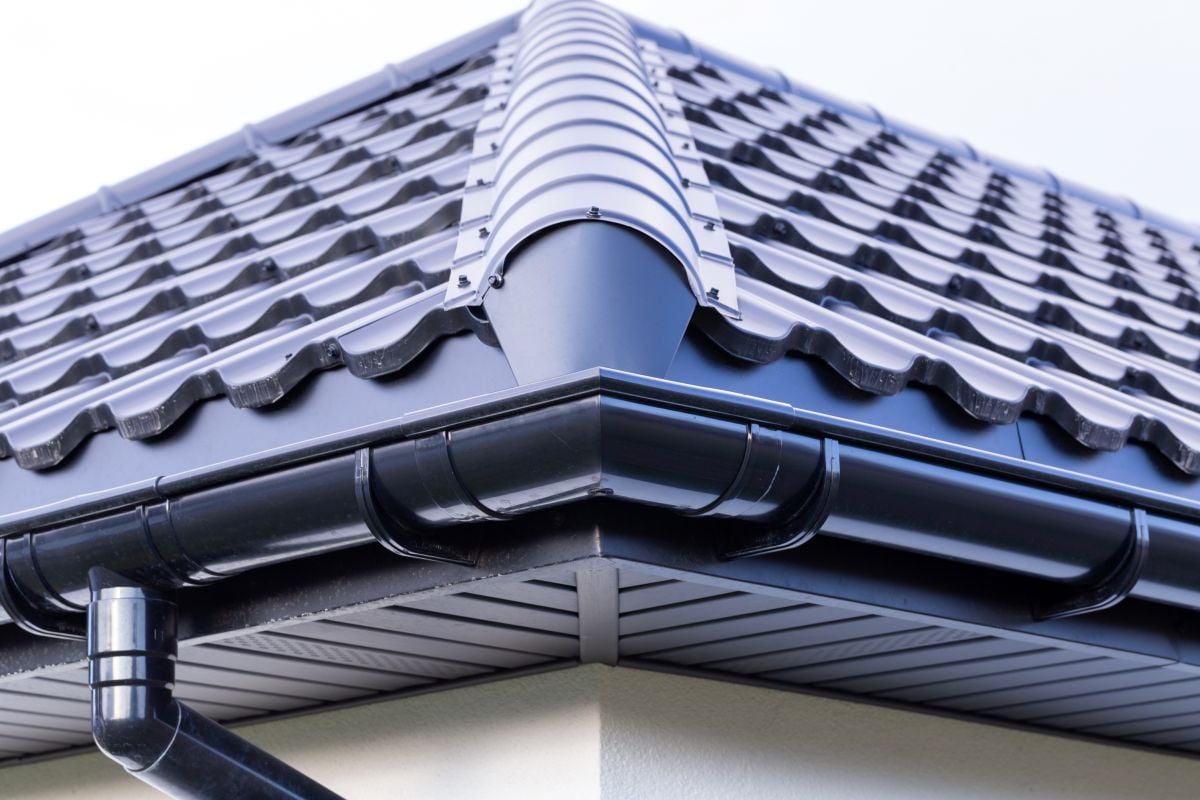
Understanding the concept of positive drainage is essential for anyone looking to maintain a durable and long-lasting roof. Without proper drainage, water can accumulate, causing damage to the roof structure and reducing its lifespan. Roof drainage is a fundamental aspect of roofing systems that ensures water flows efficiently off the roof, preventing costly repairs or premature roof replacement. For a thorough understanding of roofing solutions and how to implement effective drainage, you can explore that specialize in this vital aspect of roof care.
- What positive drainage is and why it matters
- How to design roofs for effective drainage
- Common drainage issues and their solutions
- The impact of positive drainage on roof longevity
- Maintenance tips to preserve proper drainage
Understanding the Importance of Positive Drainage

Proper water management on your roof is crucial to avoid structural damage and promote roof longevity. Positive drainage ensures that water naturally moves off the roof surface and into designated drainage systems such as gutters and downspouts, preventing water from pooling.
- Water Damage Prevention: Positive drainage minimizes standing water that can lead to leaks, rot, and mold growth.
- Structural Integrity: It protects roofing materials and underlying structures from the harmful effects of standing water.
- Cost Efficiency: Effective drainage reduces the need for costly repairs and premature roof replacements.
- Improved Safety: Avoiding water accumulation reduces the risk of slips and falls during maintenance.
- Compliance with Building Codes: Many local codes require roofs to have positive drainage for safety and durability.
7 Effective Ways to Achieve Positive Drainage on Your Roof
Designing and maintaining positive drainage is a multi-step process that can vary depending on roof type and local climate. Here are seven actionable methods that roofing professionals apply to ensure optimal water flow.
1. Proper Roof Slope Design
One of the fundamental ways to promote positive drainage is by ensuring your roof has the correct slope. Roofs with minimal or no slope can accumulate water, which accelerates damage.
- Recommended Slope: Typically, a slope of at least 1/4 inch per foot is advised for flat roofs.
- Material Considerations: Different roofing materials require different slope minimums, often guided by manufacturer recommendations or local codes.
2. Installation of Quality Gutters and Downspouts
Effective gutters and downspouts channel water safely away from the roof and foundation. Understanding how these components function can improve overall drainage efficiency. This guide on roof scuppers explains how they support positive drainage and prevent costly water accumulation issues.
- Correct Size: Ensure gutters can handle expected rainfall volumes.
- Regular Maintenance: Remove debris regularly to keep water flowing unimpeded.
3. Use of Crickets and Saddles
These roofing structures help divert water around obstacles like chimneys or skylights, promoting flow toward drainage points.
- Water Diversion: Prevent water pooling at obstructions.
- Longevity: Reduces premature roofing material wear near penetrations.
4. Ensuring Proper Drain Placement and Size
Roof drains must be strategically located and correctly sized to capture and divert water effectively.
- Drain Positioning: Place drains at low points where water naturally accumulates.
- Capacity: Size drains to accommodate intense rain events to prevent overflow.
5. Use of Slope-enhancing Materials and Techniques
In some cases, tapered insulation or other materials are used to create or improve roof slopes where natural pitch is insufficient.
- Tapered Insulation: Custom-shaped insulation boards form gradual slopes to drainage points.
- Improved Water Flow: These methods reduce low spots that trap water.
6. Regular Roof Inspections and Maintenance

Even the best drainage designs require routine checks to address potential blockages or damage that could hinder water flow. Businesses can schedule professional assessments through trusted commercial roofing services in Fort Mill, SC to keep drainage systems functioning efficiently year-round.
- Inspection Frequency: At least biannual inspections, especially after storms.
- Preventative Repairs: Promptly repair any material damage or drainage issues discovered.
7. Avoiding Roof Penetrations Where Possible
Minimizing penetrations like vents or skylights can reduce points where water may become trapped and cause leaks. This comparison of rake board vs. fascia helps clarify how edge components contribute to a well-functioning drainage system.
- Design Choices: Plan roof layout to limit unnecessary penetrations.
- Sealing and Flashing: When necessary, ensure proper waterproofing around penetrations.
Deepening Your Knowledge of Positive Drainage Mechanics
Beyond design and installation, understanding how positive drainage works at a mechanical level can help homeowners and property managers identify issues early and communicate effectively with roofing professionals.
- Gravity-Driven Flow: Positive drainage uses gravity to move water naturally from higher points to lower points on the roof.
- Surface Tension Effects: Roofing materials and surface treatments influence how quickly water sheds.
- Drainage Systems Interaction: Coordinated function of gutters, downspouts, and underlayment is essential.
- Environmental Impact: Local rainfall intensity and patterns dictate drainage system requirements.
Understanding these elements leads to better decision-making in roof design and maintenance.
Troubleshooting Positive Drainage Issues
Even well-designed roofing systems may experience drainage problems over time. Recognizing these problems and knowing solutions can save money and extend roof lifespan. Property managers can turn to experienced commercial roofing services in Rock Hill, SC for advanced drainage solutions that protect long-term roof performance.
Common Drainage Problems
Pooling water, leaks near seams, and damaged roofing materials can all indicate drainage concerns.
Solutions and Preventative Measures
- Regrading Roof Slope: Adjust low points where water accumulates.
- Gutter Upgrades: Replace undersized or damaged gutters and clear debris.
- Installing Additional Drains: Add more drainage points for improved water removal.
- Enhancing Waterproofing Layers: Use high-quality membranes to prevent leaks even if water remains temporarily.
When to Call a Professional
If drainage problems persist despite basic fixes, engaging a roofing expert for a comprehensive assessment is advisable. They can implement advanced solutions that preserve roof health and longevity.
Positive Drainage vs. Negative Drainage: A Comparison

Understanding the difference between positive and negative drainage can clarify why roofing systems prioritize positive drainage.
| Aspect | Positive Drainage | Negative Drainage |
| Water Flow Direction | Water moves towards drains or gutters safely off the roof | Water pools or remains trapped on roof surfaces |
| Impact on Roof | Prevents water damage and extends roof life | Leads to leaks, rot, and premature failure |
| Maintenance | Requires routine gutter and drain care for optimal function | Often requires costly repairs due to damage |
| Building Code Compliance | Typically meets or exceeds local standards | Often violates codes or requires remediation |
Choosing roofing designs that ensure positive drainage protects your investment and reduces future headaches.
Ensuring Roof Longevity with Great State
Positive drainage is a critical factor in keeping your roof durable and long-lasting in any climate. By implementing the right slopes, drainage systems, and ongoing maintenance, you can safeguard your property from water damage and costly repairs. For those in need of expert assistance to improve their roofing system’s drainage, Great State is ready to help. Reach out to Great State and contact us today to schedule a consultation or inspection. Proper positive drainage starts with the right professionals by your side. Property owners seeking expert evaluation can rely on professional commercial roofing services in Charlotte, NC to ensure their drainage systems are properly designed and code-compliant.
Very professional. Quality work. I would highly recommend for any roofing needs.

Matt V

