
Hip Roof vs Gable Roof Guide (5 Key Differences Explained)
Posted 2.12.26 | 7 Minute Read
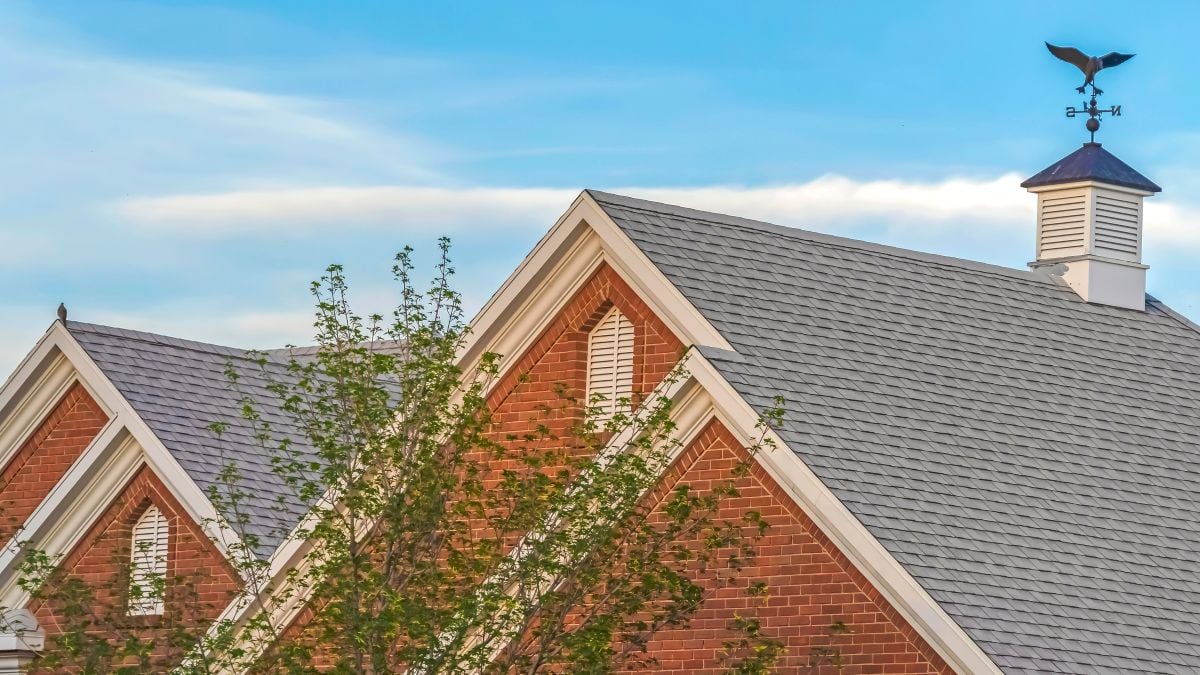
When designing or replacing your roof, the shape matters just as much as the materials. The debate of hip roof vs gable roof comes up often for homeowners looking for the right mix of style, durability, and cost. While both designs are popular across the Carolinas, understanding their differences can help you choose the best fit for your home’s architecture and climate conditions. If you’re considering a new roof design in Huntersville or surrounding areas, learning about your options early in the process can save you time and money.
For a better understanding of how different roof styles work with specific materials and installation techniques, take a look at this page for more details.
- Discover the structural and visual differences between hip and gable roofs
- Learn the pros and cons of each design in your local climate
- Compare which option may offer better ventilation, drainage, and protection
- Find out which roof is better suited to your home’s architecture
Why Roof Shape Matters for Homeowners

Most homeowners focus on shingles and materials—but the shape of your roof plays a key role in performance, lifespan, and curb appeal. Whether you’re building new or planning a major replacement, here’s why the structure itself deserves your attention.
- Weather Resistance: The shape of your roof affects how it handles wind, rain, and snow. Choosing the right design can reduce storm damage and long-term wear.
- Ventilation and Energy Efficiency: Certain roof types offer better attic airflow and insulation options, which can impact your utility bills. If you’re exploring performance upgrades alongside a design change, this guide on metal roof insulation explains how insulation strategies work with different roof structures to improve comfort and durability.
- Architectural Compatibility: Your roof should match the style of your home. Some roof shapes complement certain designs better than others.
- Cost to Build and Maintain: Complexity, materials, and structural support all vary between hip and gable designs. This can impact initial installation and long-term maintenance costs.
- Home Value and Curb Appeal: A well-chosen roof adds beauty and value to your home. The right shape can boost resale appeal and complement your exterior design.
In Huntersville and surrounding areas, where homes vary from classic Southern styles to more modern builds, the roof shape should be both functional and aesthetic. Property owners looking for expert guidance can explore professional commercial roofing services in Charlotte, NC to evaluate which roof design best supports durability, drainage, and energy efficiency.
5 Key Differences Between Hip and Gable Roofs
To understand the right option for your home, start with the major structural and performance differences between these hip and gable roof styles.
1. Roof Design and Shape
The most obvious difference is in how each roof looks and functions from a design standpoint.
- Hip Roof: All sides slope downward toward the walls, typically in a gentle, consistent angle. There are no vertical ends.
- Gable Roof: Two sloped sides meet at a ridge, forming a triangle or “A” shape on the side walls (gable ends).
Hip roofs require a more complex framing system, while gable roofs offer a simpler, more open design.
2. Wind and Weather Resistance
Your roof’s ability to handle storms matters more in regions with strong seasonal weather. Understanding the importance of positive drainage can help homeowners prevent pooling, leaks, and long-term structural damage—especially during heavy storms in the Carolinas.
- Hip Roofs: More aerodynamic, offering better wind resistance. This is especially beneficial in storm-prone areas.
- Gable Roofs: More vulnerable to wind uplift, especially if not properly braced. High winds can put pressure on the gable ends.
In areas like Huntersville and surrounding areas, where wind and thunderstorms are common, hip roofs can be a safer long-term investment.
3. Attic and Ventilation Space
The interior structure of your roof also affects airflow and storage space.
- Gable Roofs: Allow for larger attic areas and easier ventilation installation due to their simpler framing.
- Hip Roofs: Tend to have a smaller attic volume, making it harder to install ridge vents or add insulation in some cases.
If maximizing attic space is a priority, gable roofs may offer more flexibility for HVAC systems or storage.
4. Aesthetic and Architectural Style
The roof shape can either enhance or clash with the design of your home.
- Hip Roofs: Commonly used in ranch-style homes, cottages, and bungalows. They offer a balanced, low-profile look.
- Gable Roofs: Often seen on Colonial, Victorian, or farmhouse-style homes. They give a taller, more traditional appearance.
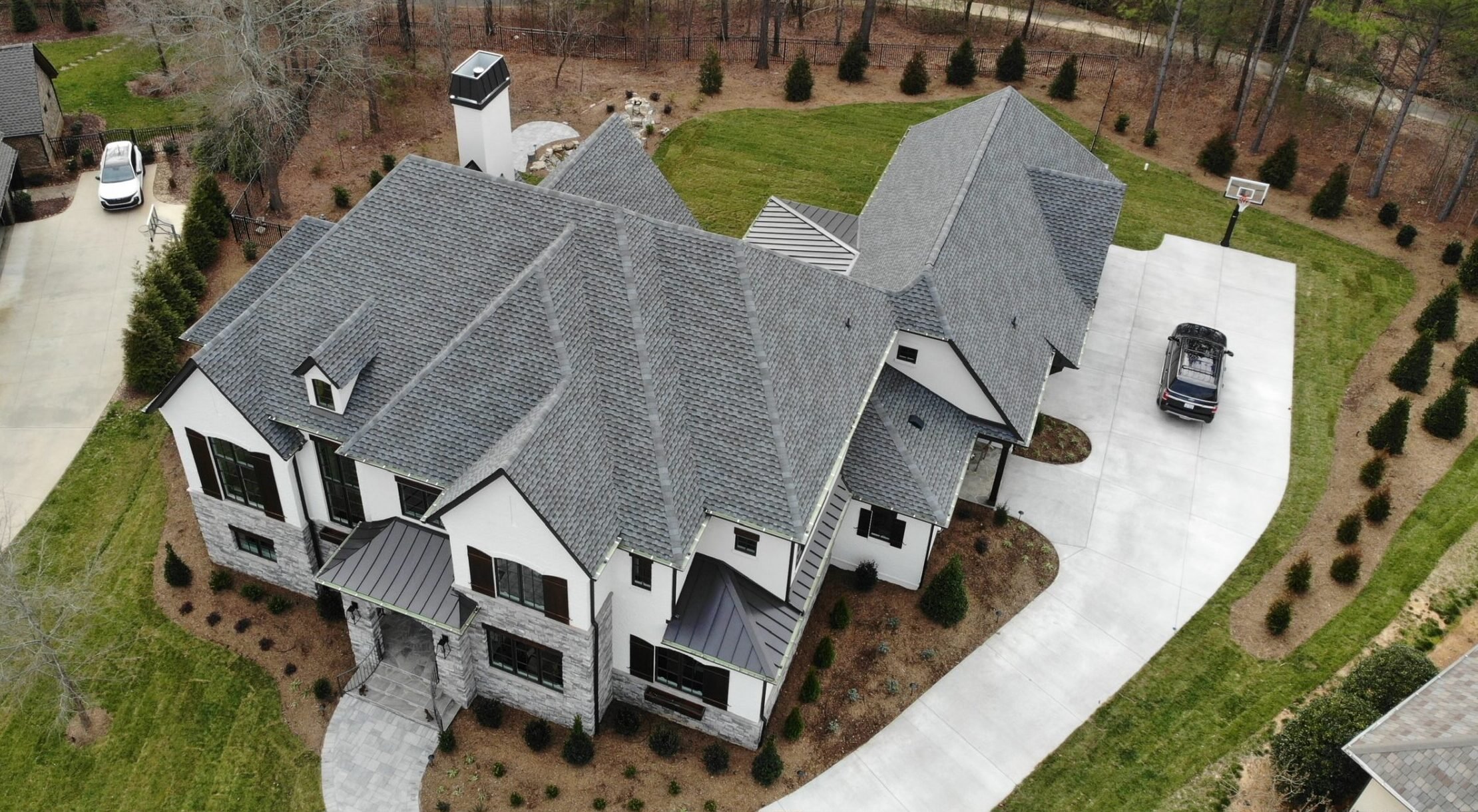
In Huntersville and surrounding areas, many newer neighborhoods feature a blend of hip and gable combinations, depending on elevation and home model.
5. Cost and Complexity
Roof cost varies depending on labor, materials, and complexity.
- Gable Roofs: Generally cheaper and quicker to build due to the straightforward framing.
- Hip Roofs: Require more materials and labor due to the added slopes and hip rafters.
Maintenance and future repairs may also be easier with gable roofs because of their simpler shape.
Pros and Cons of Each Roof Style

Choosing the right roof depends on weighing the benefits and drawbacks of each option. Here’s a breakdown to help clarify your decision.
Hip Roof Pros
- Better Wind Resistance: Ideal for stormy climates
- Stable Design: Even weight distribution reduces structural stress
- Attractive for Certain Styles: Creates symmetry and smooth lines
Hip Roof Cons
- Higher Cost: More materials and time required
- Less Attic Space: May limit insulation or HVAC options
- More Complex Repairs: Extra ridges and valleys can be harder to access
Gable Roof Pros
- Cost-Effective: Easier to build and maintain
- More Attic Room: Great for ventilation and storage
- Classic Look: Timeless appearance for many architectural styles
Gable Roof Cons
- Wind Vulnerability: May require additional bracing in storm-prone areas
- More Prone to Leaks at Gable Ends: Especially if siding isn’t well protected
For homeowners in Huntersville and surrounding areas, the decision often comes down to storm safety versus attic utility, especially during home design or remodel planning.
Which Roof Type Is Best for You?
There’s no one-size-fits-all answer, but asking the right questions can help guide your decision. Businesses and property owners can rely on trusted commercial roofing services in Rock Hill, SC for expert assessments and customized recommendations.
Consider Your Climate
If your home is exposed to high winds or hurricanes, a hip roof offers better resistance. If weather is milder, a gable roof may be sufficient and more budget-friendly.
Evaluate Your Home Design
Match the roof type with your home’s structure:
- Farmhouses and colonial styles often look better with gable roofs
- Ranch homes and smaller cottages are commonly designed with hip roofs
Think About Future Needs
If you plan to use your attic for storage, insulation upgrades, or HVAC equipment, gable roofs provide more flexibility.
Check Local Building Codes
Some areas in North Carolina may have building code recommendations based on wind zone, slope, and design. Consult with a licensed roofer to ensure compliance.

Comparison Table: Hip vs Gable at a Glance
| Feature | Hip Roof | Gable Roof |
| Shape | All sides slope downward | Two sloped sides with flat ends |
| Wind Resistance | Excellent | Moderate (with proper bracing) |
| Cost to Build | Higher | Lower |
| Attic Space | Limited | Spacious |
| Aesthetic Style | Balanced and low-profile | Traditional and tall |
| Ventilation Options | Limited but possible | Easier to install |
| Best For | Windy areas, compact homes | Homes needing attic space |
Use this table as a quick reference when speaking with a contractor or architect about your options.
Final Thoughts on Choosing the Right Roof Shape
Deciding between a hip roof vs gable roof isn’t just about looks—it’s about functionality, durability, and long-term value. Each design has its strengths depending on your priorities, from wind protection to attic space. In regions like Huntersville and surrounding areas, where storms and seasonal shifts are part of life, making the right choice can save you money and prevent future damage. Property owners can schedule professional commercial roofing services in Waxhaw, NC to review their options and move forward with confidence.
If you’re still unsure which option makes sense for your home, contact us today to schedule a free consultation. At Great State Roofing, our team can help you weigh the options, review your home’s structure, and guide you toward a roof style that protects your investment and enhances your curb appeal.
Very professional. Quality work. I would highly recommend for any roofing needs.

Matt V

