

Attic Vent Installation (6 Benefits for Roof Longevity in 2026)
Posted 2.24.26 | 7 Minute Read
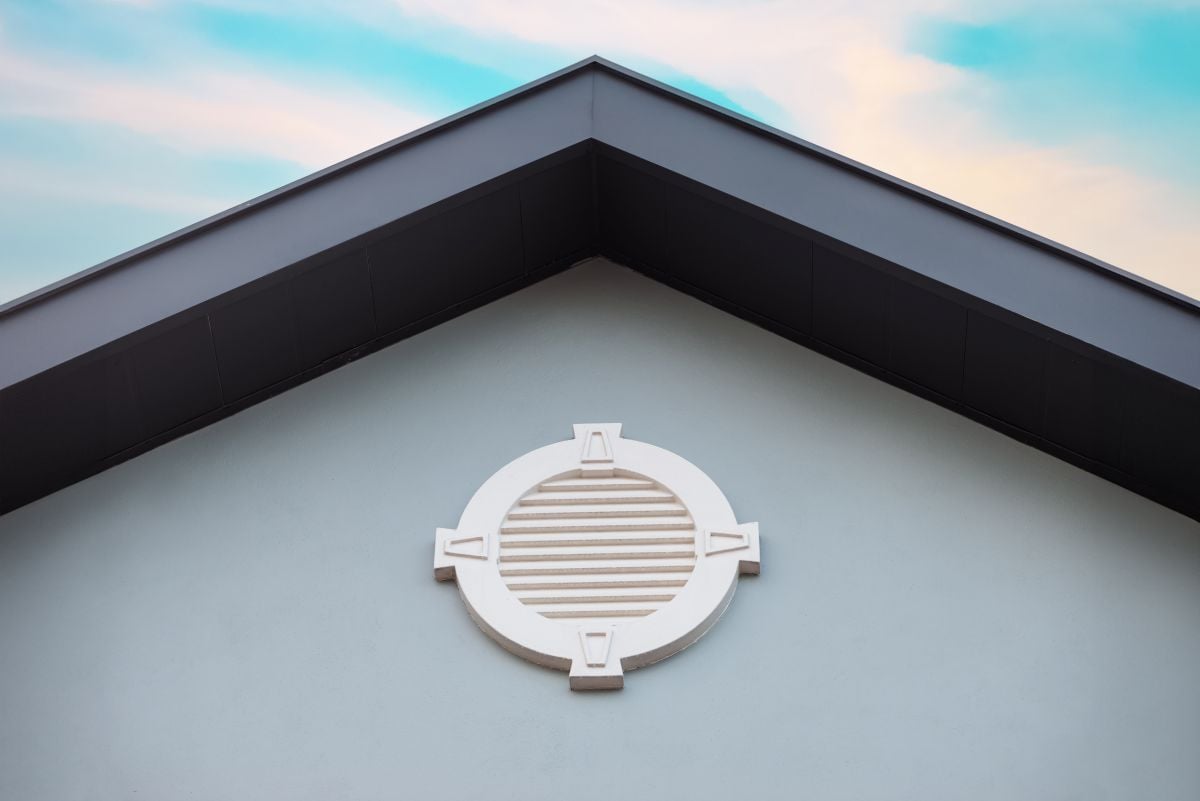
Many homeowners don’t give their attic much thought—until roofing problems appear. But proper attic vent installation is one of the most effective ways to extend your roof’s lifespan, protect your insulation, and improve energy efficiency. Whether you’re building a new home or upgrading an aging roof in Mooresville and surrounding areas, attic ventilation is a smart, long-term investment.
- Understand how attic ventilation works and why it matters
- Learn the benefits of balanced intake and exhaust vents
- Discover common signs of poor attic airflow
- Compare different attic vent types used in 2026
Why Proper Attic Ventilation Is a Game-Changer

Roofing systems are more than just shingles—they rely on airflow to keep moisture and heat from building up underneath. A balanced ventilation system keeps your attic cool and dry year-round.
- Shingle Longevity: Excess heat from a poorly ventilated attic can bake shingles from below, causing them to age faster.
- Moisture Control: Without airflow, humid air lingers in your attic, which can lead to mold growth and structural wood rot.
- Energy Efficiency: Trapped attic heat raises your cooling bills in summer. Ventilation releases this heat, lowering strain on your AC.
- Ice Dam Prevention: In colder climates, proper attic airflow keeps your roof surface at a consistent temperature, helping avoid dangerous ice buildup.
- Improved Indoor Comfort: A well-ventilated attic reduces temperature swings and improves overall comfort inside your home.
In Mooresville and surrounding areas, where summers are hot and humidity is high, attic ventilation plays a major role in roof performance and household comfort.
6 Major Benefits of Attic Vent Installation
Wondering what real impact ventilation has on your roof and attic? These six benefits highlight why it’s worth the investment.
1. Extends the Life of Your Roof
When your attic traps heat, it creates a high-temperature zone right beneath your shingles. Over time, this causes them to:
- Dry out and crack prematurely
- Curl at the edges
- Lose their adhesive and lift during storms
Attic vent installation prevents overheating and prolongs the life of your roofing material.
2. Prevents Moisture and Mold Problems
Moisture from bathrooms, kitchens, and even crawl spaces can rise into your attic. Without ventilation:
- Water vapor becomes trapped, condensing on framing and insulation
- Mold, mildew, and rot begin to form
- Indoor air quality may suffer, especially for allergy-prone households
Good airflow allows humid air to escape before it becomes a problem.
3. Improves Energy Efficiency
In the peak of summer, attic temperatures can reach 150°F or more. That heat radiates downward into your home, forcing your AC to work overtime.
- Ventilation helps flush out hot air and reduce attic temps
- Homes with proper attic ventilation often have lower cooling costs
- Less HVAC strain extends system life and reduces maintenance
For homeowners in Mooresville and surrounding areas, better airflow often translates to real monthly savings on energy bills.
4. Helps Prevent Ice Dams in Cold Weather
While not a frequent problem in North Carolina, ice dams can occur during cold snaps if attic ventilation is poor.
- Warm attic air causes snow on the roof to melt, then refreeze at the edges
- Ice dams block water from draining properly, causing leaks under shingles
- Venting keeps roof temperatures even, reducing the chance of ice buildup
Proper ventilation is a year-round solution—not just a summer fix.
5. Protects Insulation Performance
Wet insulation doesn’t work. It loses R-value and can become a breeding ground for mold or pests.
- Moisture from condensation soaks insulation in poorly ventilated attics
- Wet insulation clumps, shifts, and leaves gaps in coverage
- Long-term exposure requires full insulation replacement
Attic vent installation helps insulation stay dry and effective longer.
6. Supports Warranty and Insurance Requirements
Some shingle manufacturers require proper attic ventilation to honor their product warranties.
- Lack of ventilation may void your shingle warranty
- Insurance claims may be denied if poor attic airflow contributed to roof damage
- A certified contractor ensures compliance with local codes and manufacturer specs
Having your attic vents installed by a licensed professional ensures you meet all requirements.
Common Signs Your Attic Needs Better Ventilation

Not sure if your attic is well-ventilated? Here are some of the most common symptoms that signal it’s time to take action.
Excessive Heat in Upstairs Rooms
- Second-floor rooms feel significantly hotter in summer
- AC struggles to keep up, despite running continuously
- Ceiling feels warm to the touch during hot days
Moisture or Mold in the Attic
- Visible black spots on attic sheathing or framing
- Musty smells when accessing attic space
- Wet insulation or signs of past water damage
Ice Build-Up Along Roof Edges
- Snow melts from the center of your roof but freezes at the eaves
- Icicles form around gutters or drip edge
- Water stains on ceilings after freeze/thaw cycles
Rusted Nails or Metal Fixtures
- Nails protruding through the roof deck show signs of rust
- Metal ductwork or brackets are corroded due to excess humidity
Peeling Paint or Roof Shingle Issues
- Interior paint around ceiling corners or eaves is peeling or bubbling
- Shingles curl or blister faster than expected
If you live in Mooresville and surrounding areas and notice any of these signs, it’s smart to get your attic inspected by a professional.
Types of Attic Vents (And Which Are Best in 2026)
Attic vents come in different shapes and systems, but they all serve the same purpose: letting air in and out of your attic efficiently.
Intake Vents
These vents allow cool, outside air to enter the attic.
- Soffit Vents: Located under the eaves, these are the most common type of intake vents. Available in individual or continuous strip styles.
- Gable Vents: Positioned on the exterior gable ends of the attic, they serve as both intake and exhaust depending on the wind direction.
Exhaust Vents
These let hot, moist air escape the attic space.
- Ridge Vents: Installed along the peak of the roof, they offer uniform exhaust across the entire attic space. Often paired with soffit vents.
- Box Vents: Static vents placed near the ridge. They require multiple units to cover larger roof spans.
- Turbine Vents: Wind-powered vents that spin to draw hot air out. Effective in breezy climates.
- Powered Attic Fans: Electrically or solar-powered fans that actively exhaust hot air. Best for larger homes or when natural ventilation isn’t enough.
A balanced system includes both intake and exhaust components. In 2026, ridge vents paired with continuous soffit vents remain the most efficient and visually discreet choice.
Comparing Attic Vent Options
| Vent Type | Location | Active or Passive | Best Used With | Cost Efficiency |
| Soffit Vents | Under eaves | Passive | Ridge or box vents | High |
| Gable Vents | Gable wall | Passive | With other vents | Moderate |
| Ridge Vents | Roof ridge | Passive | Soffit vents | Very High |
| Box Vents | Roof surface | Passive | Soffit or gable vents | Moderate |
| Turbine Vents | Roof surface | Semi-active | Soffit vents | Moderate |
| Attic Fans | Roof or gable | Active | Any intake vent | Varies (Higher cost) |
Each home is unique. Your roofing contractor will recommend the right combination based on attic size, roof pitch, and local climate.
How Vent Installation Works
Installing attic vents isn’t a DIY project for most homeowners. A professional team will follow these steps:
- Evaluate existing airflow and attic structure
- Identify the right ratio of intake to exhaust (typically 1:300 of attic floor space)
- Choose vent types that suit your roof design and budget
- Cut and install vents with proper flashing and weatherproofing
- Seal and test the ventilation system for optimal airflow
Homes in Mooresville and surrounding areas may also benefit from roof deck insulation or radiant barriers, which work together with attic ventilation to maximize efficiency.
Why It’s Worth the Upgrade in 2026

As homes get tighter and more energy-efficient, the importance of ventilation increases. A poorly ventilated attic can cause just as much trouble as a leaky roof or clogged gutter.
- Energy codes in 2026 continue to emphasize whole-house ventilation strategies
- Smart attic fans now integrate with thermostats and humidity sensors
- Composite shingle manufacturers require ventilation to honor 25–50 year warranties
If you’re already planning a roof replacement, adding or upgrading your attic vents is a natural next step.
Ventilation Protects Your Roof from the Inside Out
Attic vent installation might not be the flashiest home improvement—but it could be the one that saves you from major headaches down the road. From keeping shingles cool in the summer to preventing costly water damage in the winter, a well-ventilated attic protects the structural core of your home.
If you live in Mooresville or surrounding areas and aren’t sure how your attic is performing, contact us today to schedule a professional attic and roof evaluation. Great State Roofing is here to help you make smart upgrades that protect your home for years to come.
Very professional. Quality work. I would highly recommend for any roofing needs.

Matt V

