

How Long Does a Roof Last? (9 Factors That Decide)
Posted 3.12.26 | 7 Minute Read
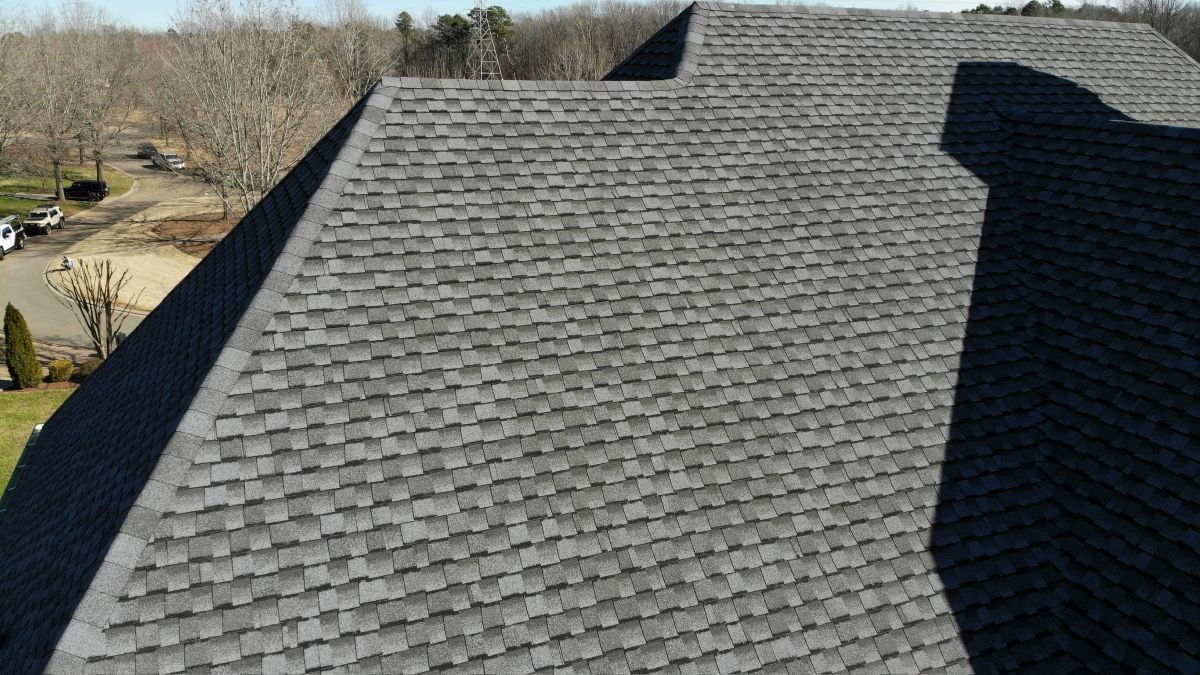
Your roof protects everything inside your home, yet many homeowners eventually ask the same question: how long does a roof last? The answer depends on several important variables such as materials, climate, installation quality, and ongoing maintenance. Knowing what affects roof lifespan helps homeowners plan ahead and avoid unexpected repairs. Many homeowners begin learning about long term roof performance by exploring professional roofing solutions for their home that explain how installation and care impact durability over time.
In this guide, you will learn:
- Average lifespan ranges for common roofing materials
- Nine important factors that influence roof longevity
- How maintenance and inspections can extend roof life
- Warning signs that indicate a roof may be nearing replacement

Why Understanding Roof Lifespan Is Important
A roof is one of the most important systems protecting your home. It shields your property from rain, wind, heat, and debris while also supporting insulation and structural integrity. Knowing how long a roof typically lasts allows homeowners to plan maintenance and replacement before major damage occurs.
Homeowners in Mooresville and surrounding areas often experience weather conditions that affect roof durability. Humidity, heavy storms, seasonal temperature changes, and sunlight exposure all contribute to gradual roofing wear.
Understanding roof lifespan provides several valuable benefits.
- Better Financial Planning: Knowing when a roof may need replacement helps homeowners prepare for future expenses.
- Improved Home Protection: Monitoring roof condition reduces the risk of leaks and structural damage.
- Stronger Property Value: A well maintained roof improves resale value and buyer confidence.
- Preventative Maintenance: Understanding lifespan encourages inspections that catch small issues early.
- Energy Efficiency Benefits: A healthy roof helps regulate indoor temperatures and reduces energy costs.
Learning how roofs age allows homeowners to take proactive steps to protect their investment.
9 Factors That Decide How Long a Roof Lasts
Roof lifespan is not determined by a single factor. Instead, several conditions work together to influence durability. The following nine factors play a major role in how long your roofing system will perform effectively.
1. Roofing Material Type
Different roofing materials have different expected lifespans. Some materials are designed for durability over multiple decades, while others provide dependable protection for shorter periods.
Common lifespan estimates include:
- Asphalt shingles: 20 to 30 years
- Architectural shingles: 30 to 40 years
- Metal roofing: 40 to 70 years
- Clay or concrete tiles: 50 years or longer
- Slate roofing: 75 years or more
Selecting the right material for your home can significantly influence roof longevity.
2. Quality of Installation
Even the best roofing materials can fail early if they are installed incorrectly. Professional installation ensures that each component of the roofing system functions properly.
Proper installation includes:
- Correct underlayment placement
- Secure shingle fastening
- Proper flashing installation around penetrations
- Effective sealing and waterproofing
Homes in Mooresville and surrounding areas benefit from experienced roofing professionals who understand regional weather demands.
3. Local Climate Conditions
Weather exposure plays a major role in roof lifespan. Homes exposed to strong sunlight, heavy rainfall, or frequent storms may experience faster roofing wear.
Environmental factors that affect roofs include:
- Intense ultraviolet radiation
- High humidity levels
- Wind driven rain
- Hail and severe storms
These environmental pressures gradually wear down roofing materials over time.
4. Roof Ventilation
Proper attic ventilation helps regulate temperature and moisture levels within the roofing system. Poor ventilation can cause heat buildup during warmer months and condensation during colder seasons.
Good ventilation helps:
- Prevent moisture accumulation
- Reduce shingle deterioration
- Maintain structural stability
- Extend roof lifespan
Without adequate airflow, roofing materials can deteriorate prematurely.

5. Roof Slope and Design
The design of a roof also affects durability. Steeper roofs typically shed water and debris more effectively than flat or low slope designs.
Factors related to roof design include:
- Roof pitch
- Drainage efficiency
- Number of valleys and intersections
- Structural complexity
Well designed roofing systems manage water flow more effectively and reduce moisture buildup.
6. Maintenance and Inspections
Routine roof inspections help identify small problems before they become major issues. Preventative maintenance plays a critical role in extending roof lifespan.
Regular maintenance may include:
- Clearing debris from the roof surface
- Checking flashing around vents and chimneys
- Inspecting shingles for damage
- Cleaning gutters and drainage systems
Many roofing professionals recommend annual inspections to maintain roof health.
7. Tree Coverage and Debris
Trees surrounding a home can create both benefits and challenges for roofing systems. While shade can reduce heat exposure, overhanging branches often drop leaves, twigs, and debris onto the roof.
Debris buildup can lead to:
- Moisture retention
- Mold or algae growth
- Blocked gutters
- Surface damage from falling branches
Keeping trees trimmed helps prevent unnecessary roofing stress.
8. Storm and Weather Damage
Severe weather events can significantly shorten the life of a roof. Strong winds, hail, and heavy rain can damage shingles and weaken protective layers.
Common storm related roofing issues include:
- Lifted or missing shingles
- Flashing damage
- Granule loss
- Water intrusion
After major storms, homeowners in Mooresville and surrounding areas often schedule inspections to assess potential damage.
9. Quality of Roofing Materials
Not all roofing materials are manufactured to the same standards. Higher quality materials typically offer stronger durability and longer warranties.
Premium roofing products often feature:
- Thicker construction
- Improved weather resistance
- Enhanced protective coatings
- Extended manufacturer warranties
Investing in quality materials can significantly increase the lifespan of a roofing system.
Average Lifespan of Common Roofing Materials
Understanding typical roof lifespans helps homeowners estimate when repairs or replacement may be necessary. Different materials offer varying durability levels depending on environmental exposure and maintenance.
Below is a comparison of several popular roofing materials.
| Roofing Material | Typical Lifespan | Key Advantages |
| Asphalt Shingles | 20–30 years | Affordable and widely used |
| Architectural Shingles | 30–40 years | Thicker design with improved durability |
| Metal Roofing | 40–70 years | Strong weather resistance and energy efficiency |
| Clay or Concrete Tile | 50+ years | Excellent durability and fire resistance |
| Slate Roofing | 75–100 years | Extremely long lasting natural material |
While material lifespan provides a general estimate, the other factors discussed earlier can either shorten or extend the life of a roof.
Signs Your Roof May Be Nearing the End of Its Lifespan
Even durable roofing materials eventually show signs of wear. Recognizing early warning signs can help homeowners schedule repairs or replacement before major problems occur.
Several indicators may suggest a roof is aging.
Shingle Damage
Damaged or missing shingles are one of the most obvious signs that a roof may require attention.
Common issues include:
- Curling or buckling shingles
- Cracked surfaces
- Missing granules
- Discolored patches
These problems can allow moisture to penetrate the roofing system.
Interior Water Stains
Water stains on ceilings or walls may indicate a roof leak. Even small leaks can gradually cause structural damage if left unaddressed.
Homeowners should investigate water stains promptly to prevent additional damage.
Moss or Algae Growth
Biological growth on roofing surfaces often signals trapped moisture. Moss and algae can slowly weaken roofing materials if not treated.
Routine roof cleaning and maintenance can prevent these issues.
Sagging Roof Areas
A sagging roofline may indicate structural problems beneath the surface. This issue often requires immediate professional inspection.
Structural concerns can develop when moisture infiltrates roofing materials over time.
How Homeowners Can Extend Roof Lifespan
While every roof eventually requires replacement, proper care can significantly extend its usable life. Preventative maintenance and early problem detection are key strategies for protecting roofing systems.
Homeowners can take several practical steps to support roof longevity.
- Schedule Annual Inspections: Professional inspections help detect early damage and prevent larger issues.
- Keep Gutters Clean: Clear drainage systems prevent water from backing up onto the roof.
- Trim Overhanging Branches: Reducing debris buildup protects roofing surfaces.
- Address Repairs Promptly: Fixing small problems quickly prevents costly damage.
- Monitor Attic Ventilation: Proper airflow helps maintain stable roof conditions.
These maintenance practices can help homeowners maximize the lifespan of their roofing systems.

Protecting Your Roof for the Long Term
A roof is one of the most valuable components of your home, and understanding how long it may last helps you make informed maintenance decisions. Roofing materials, installation quality, climate conditions, and routine care all work together to determine how long a roof performs effectively.
Homeowners who monitor their roofs regularly and address small issues early often enjoy longer lasting roofing systems and fewer unexpected repairs. Proper maintenance also supports energy efficiency, structural safety, and property value.
If you want professional guidance on roof inspections, repairs, or replacement, the experienced team at Great State Roofing is ready to help. Their specialists assist homeowners throughout Mooresville and surrounding areas with dependable roofing solutions designed for long term protection. If you have questions about your roof or want an expert evaluation, contact us today to schedule a consultation with Great State Roofing.
Very professional. Quality work. I would highly recommend for any roofing needs.

Matt V

