

Low Slope Metal Roofing (5 Best Systems for Flat Roofs in 2026)
Posted 4.23.26 | 11 Minute Read
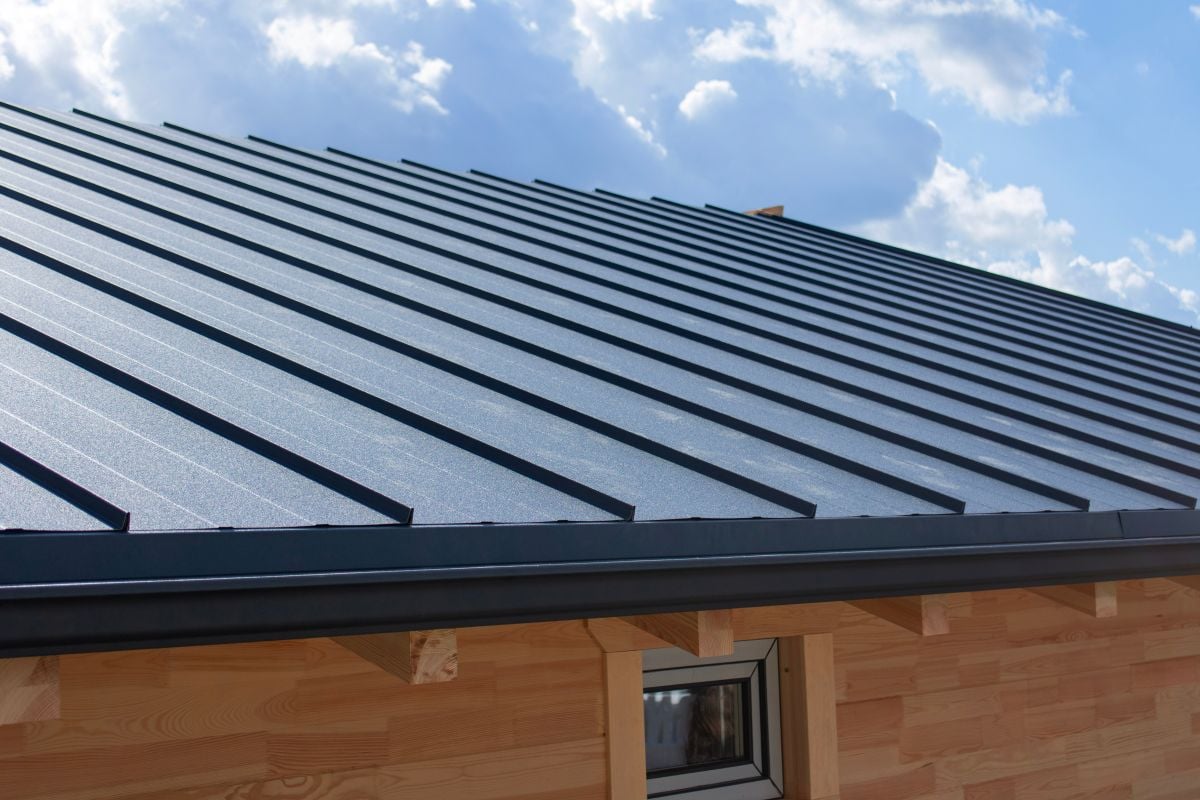
Not every roof has the pitch to shed water the way a steep residential roof does, and that changes everything about what the roofing system needs to accomplish. Low slope metal roofing has become one of the most sought-after solutions for flat and near-flat roof applications precisely because it closes the gap between durability and performance in conditions where traditional materials often fall short. If you have been researching how modern metal roofing systems handle the specific demands of low-pitch applications, you are asking exactly the right question before making a long-term investment in your property.
Here is what you will learn in this guide:
- Why low slope roofs require a different set of performance standards than steep-slope systems
- The five best metal roofing systems for flat and low slope applications in 2026
- How to evaluate which system fits your building’s specific requirements
- What installation details separate a long-lasting low slope metal roof from one that fails prematurely
- Common mistakes property owners make when selecting materials for flat roof applications
- How low slope metal roofing compares to traditional flat roof membrane options
Why Low Slope Roofs Demand More from Their Roofing System

A steep-pitched roof handles water the easy way: gravity does most of the work, and materials only need to be water-resistant long enough to shed rainfall quickly. Low slope and flat roofs do not have that luxury. Water moves slowly, stands temporarily during heavy rain events, and places sustained pressure on every seam, joint, and transition in the system. This is why the roofing material choice matters so much more on a flat or low slope application.
Metal roofing has evolved considerably to meet this challenge. Systems designed specifically for low slope applications address ponding water resistance, thermal movement management, and long-term seam integrity in ways that traditional steep-slope metal profiles simply were not engineered to handle. For property owners in the Matthews and surrounding areas evaluating their options, understanding why the system design matters as much as the material itself is the foundation of a good decision.
Here is what a properly specified low slope metal roofing system delivers:
- Ponding water resistance: Engineered low slope systems use standing seam profiles and concealed fastener designs that keep water from finding a path through the roof assembly even when it sits on the surface for extended periods.
- Thermal movement accommodation: Metal expands and contracts with temperature changes, and low slope systems are designed with floating clip attachments and panel profiles that allow this movement without stressing seams or fasteners over time.
- Longevity far beyond membrane alternatives: Quality low slope metal systems routinely last 40 to 60 years with minimal maintenance, compared to the 15 to 25 year replacement cycles typical of TPO, EPDM, and modified bitumen membranes.
- Reduced long-term ownership cost: The higher upfront investment in a metal system is offset by the elimination of multiple replacement cycles over a building’s life, along with significantly lower ongoing maintenance costs.
- Energy performance: Metal roofing with reflective finishes reduces solar heat gain, lowering cooling loads in warm months and improving overall building energy efficiency in a measurable way.
5 Best Metal Roofing Systems for Low Slope and Flat Roofs in 2026
Selecting the right system for a low slope application requires matching the product design to the building’s slope, usage conditions, and performance expectations. The five systems below represent the strongest options available in the current market, each with distinct strengths that make it the right choice for specific applications.
1. Standing Seam Metal Roofing
Standing seam is the gold standard for low slope metal roofing applications and the system most commonly specified by architects and roofing engineers for challenging flat and near-flat roof conditions. Panels interlock at raised seams that stand above the roof surface, keeping water well away from any connection point in the system. Fasteners are fully concealed within those seams, eliminating exposed hardware that could corrode, back out, or allow water infiltration over time.
The floating clip attachment system used in most standing seam installations allows individual panels to move independently as they expand and contract with temperature changes, which is critical for low slope applications where thermal movement stress concentrates at seams and fastener locations.
Key advantages of standing seam for low slope applications:
- Compatible with slopes as low as 0.5:12 with proper underlayment and seam design
- Available in steel, aluminum, zinc, and copper substrates to match project requirements
- Kynar 500 and PVDF finish coatings provide 40-plus year color retention with manufacturer warranty backing
- Can be installed over existing roof systems in many cases, avoiding costly tear-off
2. Structural Standing Seam Systems

Standard architectural standing seam panels are designed to span between purlins or roof decking with consistent support beneath them. Structural standing seam systems take this a step further, engineered to span longer distances between supports without continuous decking, which makes them particularly well-suited for commercial and industrial low slope applications where the building structure does not include a solid roof deck.
These systems use heavier gauge panels with a profile geometry specifically designed to carry load across spans, and they are engineered to meet specific wind uplift and snow load requirements that vary by region. For larger commercial buildings in the Matthews and surrounding areas where the roof structure is exposed steel framing rather than sheathed decking, structural standing seam is frequently the most practical and cost-effective solution.
Additional considerations for structural systems:
- Engineering documentation is typically required and provided by the manufacturer for permit purposes
- Span tables determine panel gauge and profile requirements based on support spacing and load conditions
- Insulation is typically installed between the structural framing and the metal panels in these applications
3. Snap-Lock Standing Seam Panels
Snap-lock panels offer a standing seam aesthetic and many of the same performance benefits at a lower installed cost than mechanically seamed systems. Rather than requiring a seaming tool to roll the panel edges together on the roof, snap-lock panels connect by snapping the female edge of one panel over the male edge of the adjacent panel during installation. The result is a watertight raised seam connection that performs well on slopes above 1:12 and delivers excellent long-term durability.
For property owners who want the performance and appearance of standing seam without the full cost premium of mechanically seamed panels, snap-lock systems represent a compelling middle ground. They are particularly popular in residential applications with low slope sections, such as porch roofs, shed dormers, or connecting roof planes that transition from steeper sections of the main roof.
Important distinctions between snap-lock and mechanically seamed systems:
- Mechanically seamed systems offer superior resistance to wind uplift and are preferred for very low slopes and high-wind regions
- Snap-lock systems are more installer-friendly and faster to install, which reduces labor costs
- Both systems use concealed fasteners and floating clip attachments for thermal movement accommodation
4. Batten Seam and Double-Lock Standing Seam
For applications where maximum water resistance is the primary concern, double-lock mechanically seamed standing seam panels provide the highest level of seam integrity available in metal roofing. The mechanical seaming process rolls the panel edges together twice, creating a connection that is extremely resistant to wind uplift and water infiltration even under prolonged ponding conditions.
Batten seam systems use a similar principle with a cap that covers the connection between panels, providing both a clean aesthetic and strong weather resistance. Both of these system types are the preferred specification on buildings where the consequences of roof failure are particularly high, such as data centers, healthcare facilities, and archive storage buildings.
For residential applications, double-lock standing seam is frequently specified on very low slope sections such as flat-roofed additions, covered entries, and carport roofs where water management demands the highest available performance.
5. Metal Roof Over Flat Roof Retrofit Systems
One of the most practical solutions available to property owners with aging flat roofs is a metal retrofit system that installs directly over the existing roof without requiring full tear-off. These systems use a subframing structure that raises the metal panels above the existing roof surface, creating a small air gap that also improves ventilation and thermal performance while allowing the original membrane to remain in place beneath.
Retrofit systems reduce waste, eliminate tear-off labor and disposal costs, and can often be installed with minimal disruption to building operations. For property owners in the Matthews and surrounding areas who are facing the end of their current flat roof’s service life, a metal retrofit can deliver a 40-plus year solution at a total installed cost that is competitive with full membrane replacement.
Key retrofit considerations:
- The existing roof structure must be evaluated to confirm it can carry the additional load of the retrofit framing and metal panels
- Penetrations, drains, and rooftop equipment locations need to be incorporated into the retrofit design
- Building permits are typically required and should factor into the project timeline
What Installation Details Make or Break a Low Slope Metal Roof
The best material in the world will underperform if the installation is not executed correctly. Low slope metal roofing is less forgiving of installation shortcuts than steep-slope applications, and the details that matter most are not always visible after the project is complete.
- Underlayment selection is critical: Low slope applications require an underlayment rated for metal roofing that provides both secondary water resistance and separation between the metal panels and the roof deck. Self-adhering underlayments are the preferred specification for slopes under 3:12 because they seal around any fasteners that penetrate the deck and provide a second line of defense against water infiltration.
- Drainage design must be intentional: Every low slope metal roof needs a clear drainage plan that accounts for where water goes when it reaches the roof edge, drain locations, and how the panel layout directs water toward those exit points. Improper drainage planning results in ponding that, while metal handles better than most materials, still accelerates wear at seams and transitions over time.
- Penetration detailing requires precision: Every pipe, conduit, HVAC curb, and skylight that passes through a low slope metal roof is a potential water entry point. These transitions require properly sized and installed pitch pockets, curb flashings, or pipe boots designed for metal roofing applications. Improvised or undersized flashings at penetrations are among the most common sources of low slope roof leaks.
- Thermal expansion must be planned from the start: Metal panels on a large low slope roof can move several inches between summer and winter temperature extremes. The clip attachment system, panel end clearances, and transition details at walls and curbs all need to accommodate this movement without binding or creating stress concentrations that lead to fatigue failures over time.
- Contractor experience with low slope applications is non-negotiable: A contractor who installs steep-slope metal roofing competently is not automatically prepared to handle the additional technical demands of a low slope application. Ask specifically about their experience with the system type you are considering and request references for comparable low slope projects.
How Low Slope Metal Roofing Compares to Traditional Flat Roof Membranes

Property owners evaluating their options for a flat or low slope roof typically consider metal alongside the conventional single-ply membrane options that dominate the flat roofing market. Here is a direct comparison across the dimensions that matter most to most buyers.
| Factor | Low Slope Metal | TPO / EPDM Membrane | Modified Bitumen |
| Expected Lifespan | 40 to 60+ years | 15 to 25 years | 15 to 20 years |
| Replacement Cycles (50 years) | 0 to 1 | 2 to 3 | 2 to 3 |
| Maintenance Requirements | Low | Moderate | Moderate to High |
| Upfront Cost | Higher | Lower to Moderate | Moderate |
| Long-Term Cost | Lower | Higher (multiple replacements) | Higher |
| Energy Performance | Excellent (reflective finishes) | Good (white membranes) | Fair |
| Wind Resistance | Excellent | Good | Good |
| Recyclability | Fully recyclable | Limited | Limited |
| Appearance | Architectural, varied profiles | Utilitarian | Utilitarian |
The table above illustrates why the conversation about flat roofing has been shifting toward metal for commercial and residential low slope applications alike. While the upfront cost of metal is higher, the long-term math typically favors metal when multiple membrane replacement cycles are factored into the comparison.
For property owners in the Matthews and surrounding areas who are managing their buildings as long-term assets rather than short-term expenses, metal’s lifecycle economics are increasingly difficult to argue against.
Build Your Low Slope Roof for the Long Term
A flat or low slope roof is not the place to make decisions based purely on initial cost. The consequences of choosing the wrong system or accepting a lower-quality installation show up slowly at first and then all at once, usually in the form of water intrusion, membrane failure, and the disruption of a replacement project that could have been decades away with the right choice from the start.
At Great State Roofing, we bring the technical knowledge and hands-on experience to specify and install low slope metal roofing systems that perform for the life of the building. Whether you are replacing an aging flat roof, upgrading from a membrane system, or planning a new construction low slope application, our team will walk you through every option and every detail so you can make a decision with complete confidence.
Do not leave your flat roof’s future to chance. Contact us today to schedule an assessment and find out which low slope metal system is the right fit for your property.
Very professional. Quality work. I would highly recommend for any roofing needs.

Matt V

