

The First 72 Hours After a Hail or Wind Storm: A Roof Recovery Plan for Mooresville and Hickory
Posted 8.05.26 | 11 Minute Read
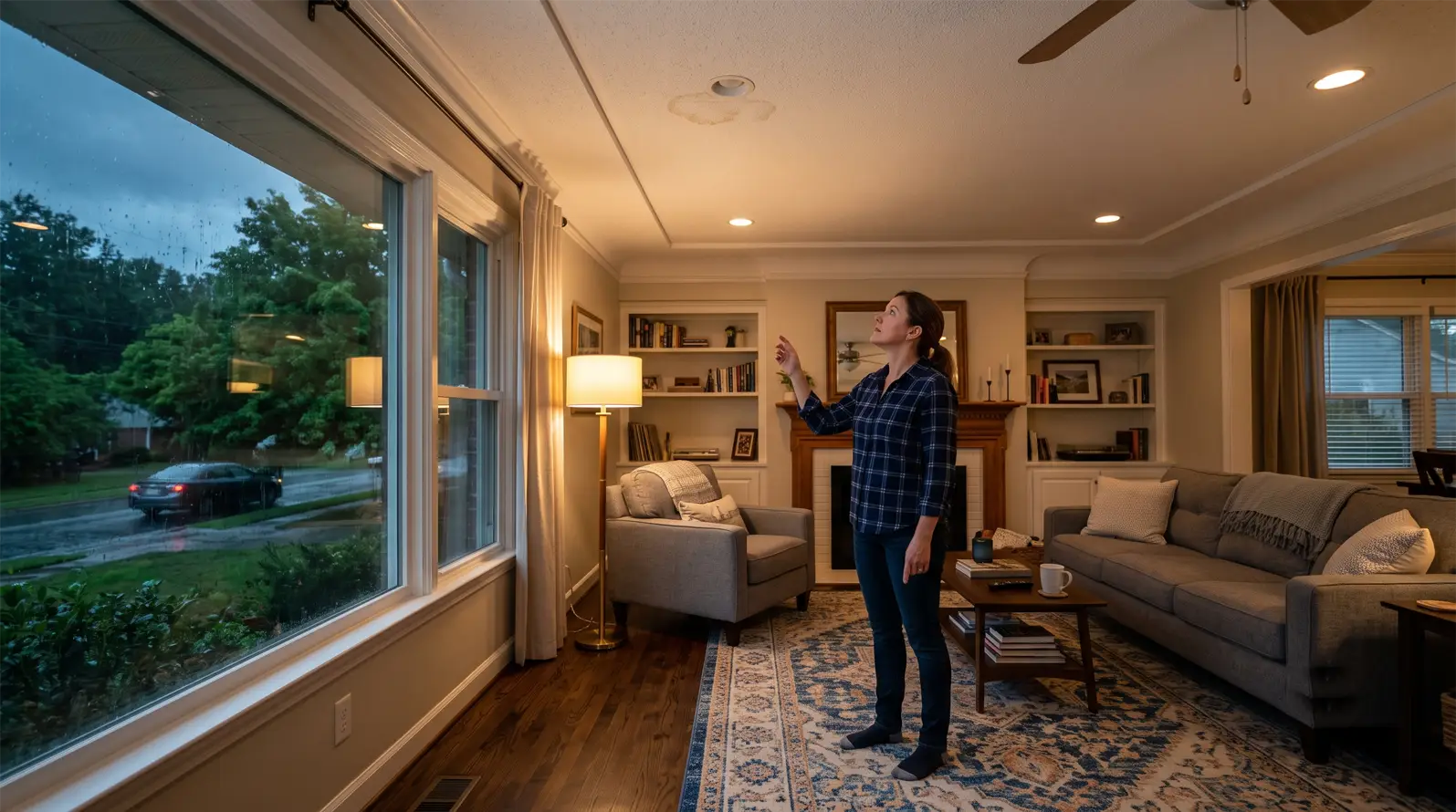
A severe thunderstorm can pass through a North Carolina neighborhood in minutes, but the damage it leaves behind may not become obvious until days or weeks later.
Recent storms across the western North Carolina Piedmont produced strong winds, fallen trees and large hail in parts of the region. Preliminary National Weather Service storm reports included golf-ball-size hail and downed trees near Stony Point, east of Hickory, as well as additional hail reports near Hiddenite. These reports do not prove that every property in ZIP codes 28117 or 28601 was damaged, but they provide a good reason for homeowners to examine their properties carefully.
The National Weather Service classifies a thunderstorm as severe when it is capable of producing hail at least one inch in diameter or wind gusts of at least 58 mph. Hail and wind at those levels can damage roofing materials, vehicles, trees, siding, gutters, and other exterior components.
For homeowners in Mooresville, NC 28117, Hickory, NC 28601, and nearby communities, the first 72 hours after a storm are important. The decisions made during that period can help prevent additional water intrusion, create better documentation, and make the repair process easier to manage.
First, Make Sure the Property Is Safe
Before checking the roof, look for immediate hazards around the home.
Stay away from fallen power lines, damaged electrical equipment, broken trees, unstable limbs, and areas where the roof or structure appears to be sagging. Never approach a line simply because it does not appear to be active. Contact the utility company or emergency services when electrical hazards are present.
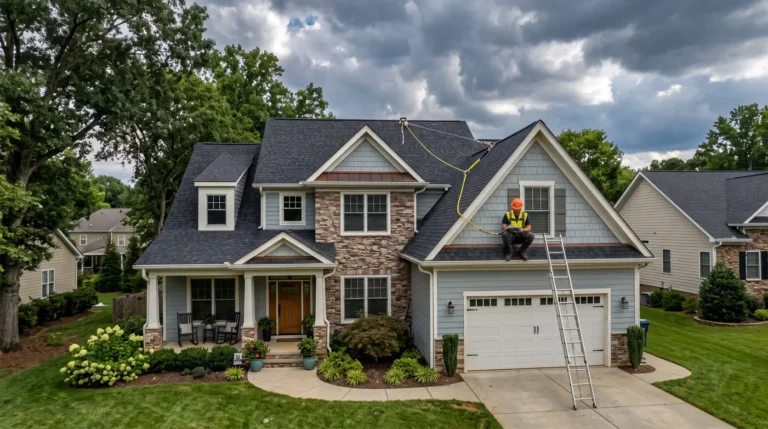
Do not climb onto the roof after a hail or wind storm. Roofing surfaces may be wet, loose, punctured, or covered with debris. A lifted shingle, damaged section of decking, or loose branch can create a fall hazard that is not visible from the ground.
Complete only the checks that can be performed safely from the yard, inside the home, or from an accessible attic.
Hours 1–12: Look for Active Water Intrusion
The first priority is determining whether water is currently entering the house.
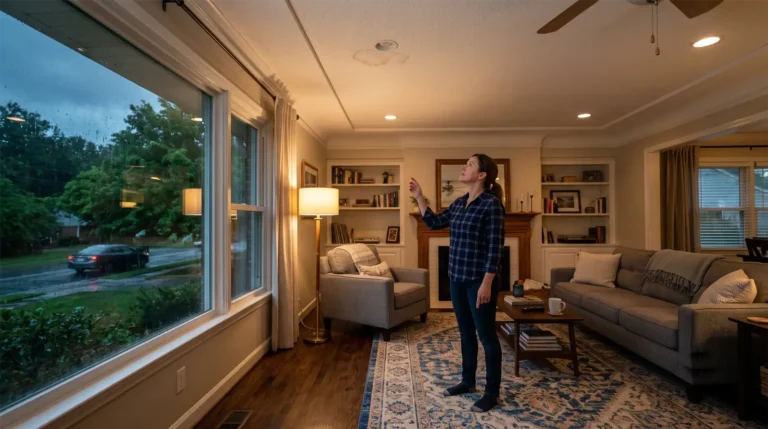
Walk through the upper floor and check ceilings, exterior walls, closets, skylights, chimneys, and areas around bathroom or kitchen vents. Warning signs include:
- New ceiling stains
- Dripping water
- Bubbling or peeling paint
- Damp drywall
- Wet attic insulation
- Water around skylights or chimneys
- Moisture near roof vents
- A musty smell in the attic
- Water running down plumbing vent pipes
A roof leak may appear far from the actual exterior damage. Water can travel along decking, rafters, insulation, pipes, or wiring before becoming visible inside the living space.
If water is entering the home, move furniture and valuables away from the area. Place a container beneath an active drip when it can be done safely. Do not touch wet electrical fixtures, ceiling fans, outlets, or wiring.
Temporary protection may be necessary when part of the roof has been opened by a fallen branch, missing materials, or wind damage. Temporary covering should be installed by someone with the proper equipment and experience rather than by a homeowner climbing onto a damaged roof.
Hours 12–24: Complete a Ground-Level Exterior Check
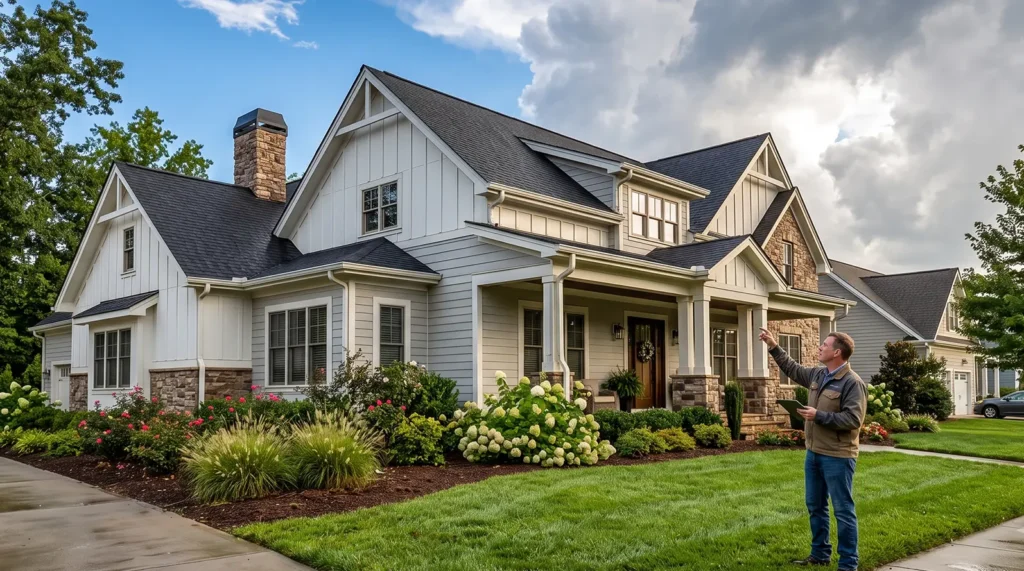
Once the storm has passed and the area is safe, walk around the property and examine the exterior from the ground.
Look for:
- Shingles or roofing pieces in the yard
- Missing shingles along roof edges
- Raised or uneven shingle tabs
- Loose ridge-cap shingles
- Bent flashing
- Dented gutters or downspouts
- Detached gutter sections
- Damaged roof vents
- Cracked skylights
- Broken fascia or soffit
- Tree limbs touching the roof
- Debris collected in roof valleys
- Damage to siding, screens, garage doors, or outdoor equipment
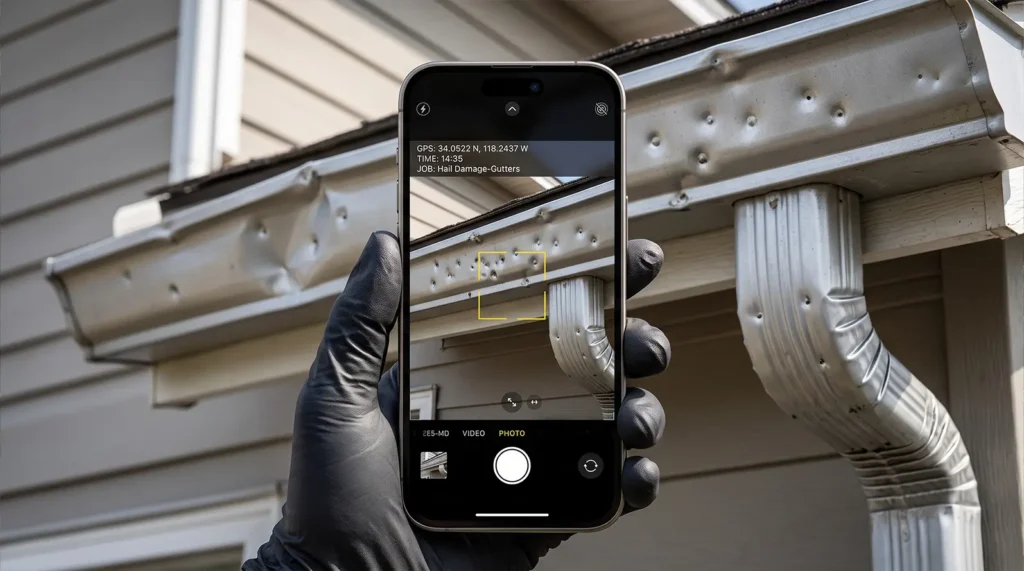
Damage to gutters, downspouts, metal vents, window screens, or an HVAC unit can indicate that hail reached the property. It does not automatically mean the roof requires replacement, but it can help determine whether a closer roof inspection is appropriate.
Use binoculars or a camera zoom to look at roof edges and visible slopes. Do not rely on a ground-level check as a complete roof assessment. Some of the most important hail and wind damage can be difficult to see without inspecting the roofing system closely.
Why Wind Damage Can Be Easy to Miss
A wind-damaged shingle does not always blow off the roof.
Wind can lift the edge of a shingle, break the adhesive seal, and then allow the shingle to settle back into approximately its original position. From the ground, the roof may still look complete. However, the affected shingle may no longer resist future wind-driven rain as intended.
Wind damage often appears around:
- Eaves and rakes
- Roof ridges
- Valleys
- Chimneys
- Skylights
- Plumbing vents
- Previous repair areas
- Roof-to-wall intersections
- Sections exposed to open water or open terrain
Homes near Lake Norman may also have roof slopes that receive different levels of wind exposure depending on the home’s orientation, surrounding trees, elevation, and nearby structures.
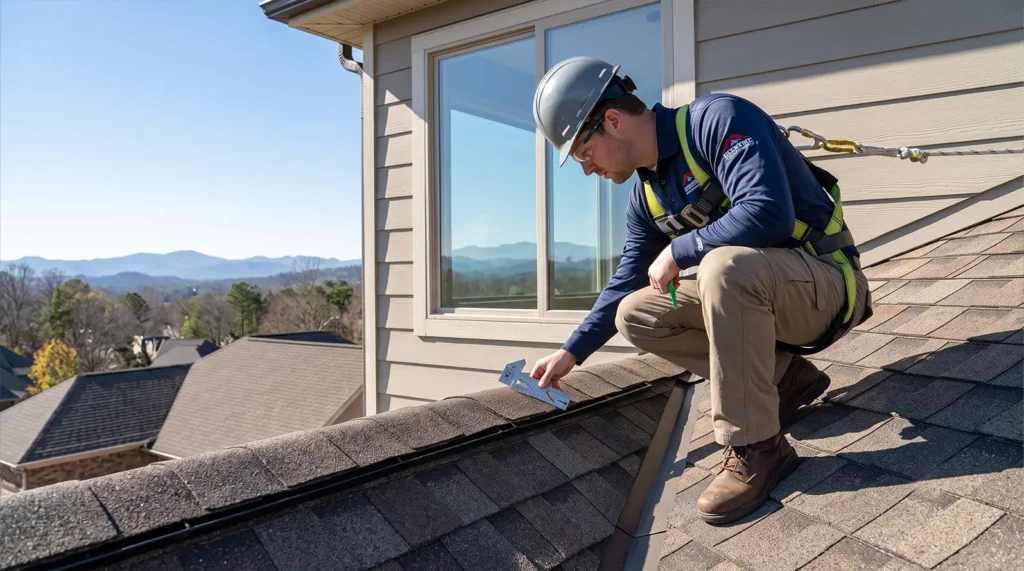
A professional roof inspection should examine more than the shingle surface. Flashing, pipe boots, ridge materials, vents, gutters, decking conditions, seal integrity, and visible penetrations should also be reviewed.
Why Hail Damage May Not Leak Immediately
Hail damage can affect the roof without creating an obvious hole.
On asphalt shingles, an impact may displace protective granules or damage the material beneath the surface. The affected area may continue to shed water initially but become more vulnerable to sunlight, heat, rain, and future storms.
Potential hail-related conditions include:
- Localized granule loss
- Dark impact marks
- Cracks in older shingles
- Bruised or weakened areas
- Dented metal flashing
- Damaged ridge or hip shingles
- Dented roof vents
- Damage around skylights
- Cracked specialty roofing materials
Not every mark on a shingle is storm damage. Normal aging, foot traffic, manufacturing conditions, tree debris, blistering, and previous repairs can produce marks that look similar from a distance. That is why the storm date, impact pattern, collateral damage, roof age, and overall condition should be considered together.
Hours 24–48: Photograph and Document the Property
Good documentation helps create a clear record of what happened.
Take wide photographs showing each side of the property, followed by closer photographs of visible damage. Photograph the same area from more than one angle when possible.
Document:
- Roofing materials found on the ground
- Fallen or broken tree limbs
- Dented gutters and downspouts
- Damaged siding or window screens
- Water stains inside the home
- Wet attic insulation
- Damaged personal property
- Temporary protective measures
- Receipts for emergency materials or services
Record the approximate date and time of the storm. Save relevant weather alerts, photographs, videos, contractor inspection findings, and communication with the insurance carrier.
Do not dispose of damaged materials before asking the insurance company whether they need to be inspected. The North Carolina Department of Insurance recommends photographing and listing damage before temporary repairs, taking reasonable steps to prevent further loss, saving receipts, and avoiding permanent repairs until the carrier has had an opportunity to inspect the property.
Hours 48–72: Schedule a Professional Roof Inspection
A professional inspection can help distinguish between normal wear, repairable storm damage, and conditions that may require a larger roofing project.
The inspection should answer practical questions:
- Are any shingles missing, lifted, creased, or punctured?
- Were adhesive seals broken by wind?
- Is there evidence consistent with hail impact?
- Were flashing, vents, gutters, or pipe boots damaged?
- Did a tree or branch affect the roof?
- Is water reaching the decking or attic?
- Can the affected area be repaired?
- Is the roofing material still available?
- Does the roof have broader age-related deterioration?
- Are temporary measures needed before more rain arrives?
At the time of publication, Mooresville and Hickory are experiencing a short period of mostly sunny weather, while forecasts show showers and thunderstorms returning during the following several days. A dry period can provide a useful opportunity for inspections and necessary temporary protection before another round of rain. Forecasts can change, so homeowners should continue checking current local alerts.
Does Storm Damage Mean the Entire Roof Must Be Replaced?
No. Storm exposure does not automatically mean a roof needs replacement.
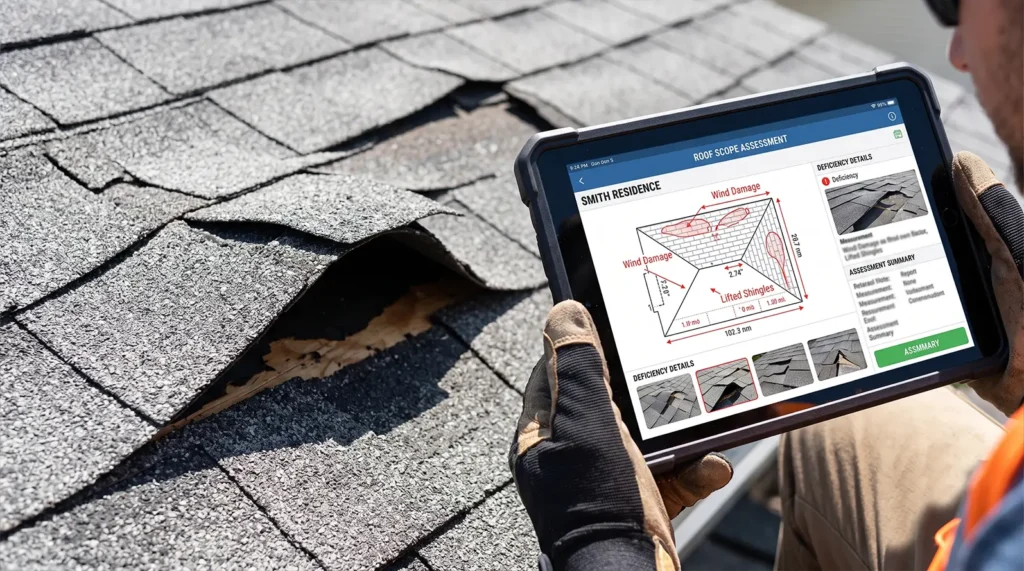
A targeted repair may be appropriate when damage is limited to a small number of shingles, one flashing detail, a pipe boot, a gutter section, or another localized area.
Replacement may be considered when there is widespread wind lifting, significant impact damage across multiple slopes, repeated leaking, unavailable matching materials, extensive deterioration, or a combination of storm damage and an aging roofing system.
The right recommendation depends on:
- Roof age
- Roofing material
- Number of damaged areas
- Condition of the surrounding shingles
- Previous repairs
- Decking condition
- Material availability
- Manufacturer requirements
- Long-term repair reliability
- Insurance inspection findings
A contractor should explain the evidence and provide a written recommendation rather than assuming every post-storm inspection should result in a replacement.
North Carolina insurance guidance also notes that coverage is based on direct physical damage and the terms of the individual policy. An insurance company does not automatically have to replace the entire roof when only one area is determined to be damaged.
When Should You Contact the Insurance Company?
Consider contacting your homeowners insurance carrier when there is visible storm damage, active water intrusion, fallen-tree damage, or a professional inspection identifies conditions that may be related to a covered event.
Before opening a claim, review:
- Your policy deductible
- Any separate wind or hail deductible
- Whether the roof is covered at replacement cost or actual cash value
- Policy exclusions
- Documentation requirements
- Deadlines for reporting a loss
A roofing contractor can inspect the property, photograph visible conditions, prepare measurements, and provide a proposed repair or replacement scope. The contractor does not determine coverage or approve the claim. Those decisions are made by the insurance carrier under the policy.
The North Carolina Department of Insurance recommends asking the carrier what documentation is required, when an adjuster will inspect the property, what deductible applies, and whether repair estimates are needed.
Be Careful With High-Pressure Storm Offers
After a major storm, homeowners may receive unexpected calls, door-to-door visits, or offers to begin work immediately.
Take time to verify the contractor before signing an agreement. Ask for:
- The contractor’s full business name
- Physical business information
- North Carolina license information
- Proof of insurance
- A written scope of work
- Material specifications
- Warranty information
- Payment terms
- A clear explanation of repair and replacement options
Avoid signing documents that you do not understand. Do not allow anyone to pressure you into filing an unnecessary claim or approving permanent work before the roof has been properly evaluated.
How Great State Roofing Helps After Hail and Wind Damage
Great State Roofing provides storm damage inspections, emergency roof repair, roof leak repair, roof replacement, hail damage evaluation, wind damage repair, and insurance-related documentation assistance for residential and commercial properties.
The company serves Mooresville, Lake Norman, Charlotte, Cornelius, Huntersville, Davidson, Hickory-area property owners, and surrounding North Carolina communities.
During a storm damage assessment, the team can inspect visible roofing conditions, document affected components, explain whether repair or replacement appears appropriate, and prepare a detailed proposal. Great State Roofing is licensed in North Carolina under license number 81831 and provides storm damage services and insurance claim assistance.
The goal is not to assume that every roof needs replacement. It is to identify the condition of the roofing system, address urgent problems, and give the property owner clear information for the next decision.
Schedule a Storm Damage Roof Inspection
Small roofing problems can become active leaks when another period of heavy rain arrives.
Homeowners and property owners in Mooresville, NC 28117, Hickory, NC 28601, and nearby communities can contact Great State Roofing for a hail and wind damage inspection.
Great State Roofing
Phone: 704-912-1240
North Carolina Contractor License: 81831
Frequently Asked Questions
How soon should a roof be inspected after hail or strong wind?
Schedule an inspection as soon as it is safe, especially when there are missing shingles, fallen branches, interior moisture, or more rain in the forecast. A short delay may be reasonable when no damage is visible, but waiting for an interior leak can allow a smaller exterior issue to become more extensive.
Can wind damage a roof without removing shingles?
Yes. Wind can lift a shingle and break its seal without carrying it away. The shingle may settle back into place and appear normal from the ground.
Do dents in gutters mean the roof has hail damage?
Dents in gutters, downspouts, vents, or other metal surfaces can show that hail reached the property. They do not prove that the roof requires repair or replacement. The roofing material must be inspected separately.
Should I tarp the roof myself?
Homeowners should not climb onto a steep, wet, or damaged roof. Temporary covering should be installed by someone with appropriate safety equipment and roofing experience.
Can a roofing contractor approve my insurance claim?
No. A contractor can inspect the roof, document visible conditions, and provide a repair or replacement estimate. The insurance carrier determines whether the damage is covered under the policy.
Does hail damage always require roof replacement?
No. The recommendation depends on the roofing material, roof age, impact severity, number of affected areas, and whether a reliable repair can be completed.
Very professional. Quality work. I would highly recommend for any roofing needs.

Matt V

