

Ceiling Leaking in Apartment? 6 Roof Signs to Check
Posted 11.20.25 | 9 Minute Read
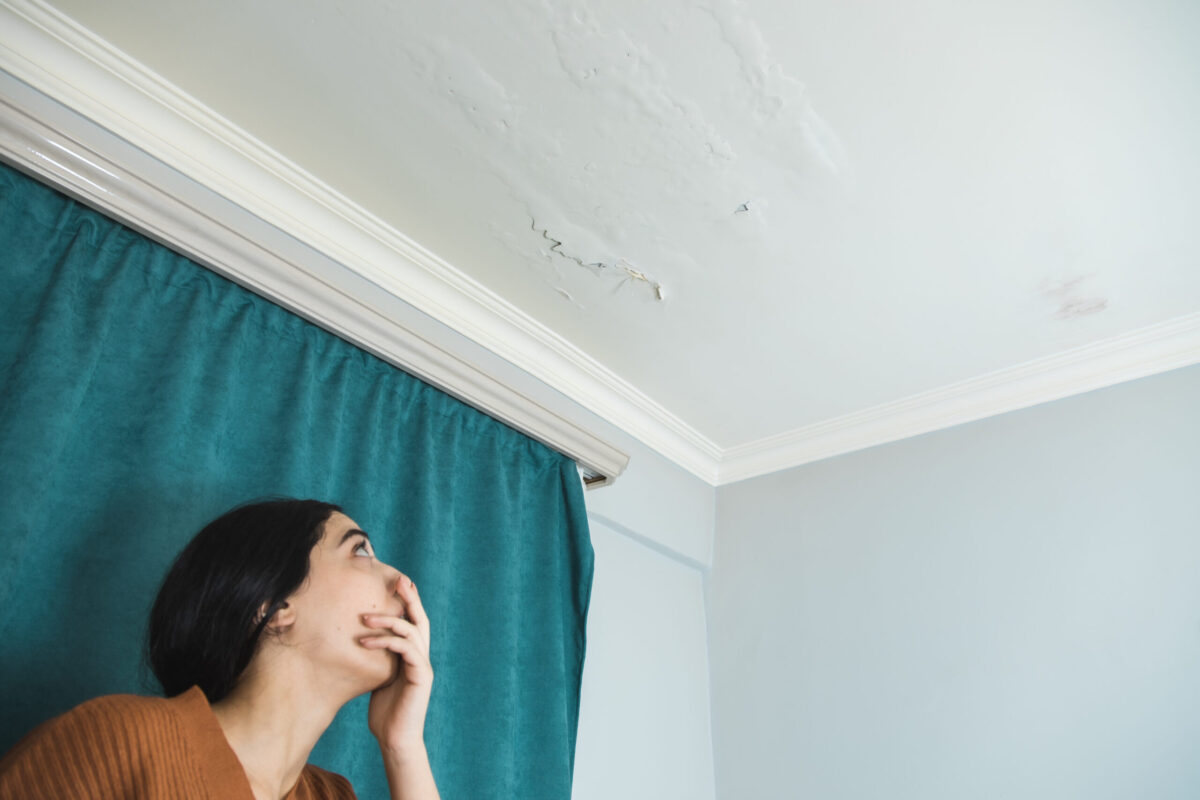
A ceiling leaking in apartment buildings is one of those issues that always seems to show up at the worst time—during a storm, at night, or just when your tenants have moved in. Water stains on a ceiling don’t just mean an inconvenience. They signal a potential roof issue that can affect multiple units, lead to costly repairs, and create liability problems for property owners or managers.
If you’re seeing brown spots, bubbling paint, or damp drywall, it’s time to take a closer look at your roof system. For multifamily property owners, understanding what to look for—and how to act quickly—can prevent small leaks from turning into building-wide emergencies. You can learn more about roof inspection and leak management for multifamily properties by exploring our multifamily roofing solutions, which are designed specifically for property managers and real estate investors.
Here’s what you’ll learn in this guide:
- The top causes of ceiling leaks in apartments
- How roof damage develops in multifamily properties
- What roof warning signs to look for before leaks appear
- When to call a roofing professional for inspection or repair
- How to protect your investment and reduce future risk
Why Roof Leaks in Apartments Are More Serious Than You Think

A ceiling leak in a single-family home is bad enough, but in a multifamily building, that same problem can multiply across units, hallways, and shared spaces. Roof leaks rarely stay contained to one location—especially in larger complexes.
Addressing leaks quickly and accurately protects your tenants, prevents structural damage, and preserves the long-term value of your property. Here’s why acting fast matters:
- Tenant satisfaction and retention: Unresolved leaks frustrate residents, increase turnover, and create reputation challenges for property managers.
- Liability reduction: Ceiling leaks can lead to mold growth, health complaints, or safety hazards that expose owners to costly claims.
- Preventing structural damage: Water intrusion can rot decking, corrode fasteners, and weaken support beams over time.
- Cost control: Fixing a small leak early costs a fraction of what full roof replacement or interior restoration can run.
- Property value: A watertight roof is one of the most critical factors in maintaining the resale or appraisal value of any multifamily building.
If you manage a complex or apartment property in Cornelius and surrounding areas, understanding how to identify and resolve roof leaks early can save thousands of dollars—and many headaches—over the long term.
6 Common Roof Issues That Cause Ceiling Leaks in Apartments
When a tenant reports a ceiling leak, it doesn’t always mean the problem is directly above the wet spot. Water can travel along rafters, insulation, or even through HVAC lines before showing up in the ceiling below. That’s why identifying the true source requires a systematic inspection.
Here are six common culprits property owners should check first.
1. Damaged or Missing Shingles
One of the leading causes of apartment roof leaks is simple: missing or damaged shingles. Over time, strong winds, heavy rain, and UV exposure can cause shingles to crack, curl, or blow away. When this happens, water seeps into the underlayment and eventually reaches the ceiling.
Look for:
- Patches of roof where the color doesn’t match (a sign of missing shingles)
- Debris or granules accumulating in gutters
- Shingles that appear lifted or warped
In multifamily buildings, even a small damaged area can cause leaks across multiple units if the roof has shared slopes or valleys.
2. Cracked Flashing Around Vents or Skylights
Flashing is the thin metal material that seals joints and edges around vents, chimneys, skylights, and HVAC units. When flashing rusts, cracks, or separates, water can sneak beneath the roof surface.
Signs of flashing failure include:
- Rust streaks on exterior walls
- Water stains on ceilings below mechanical rooms or shared vent areas
- Visible gaps or lifted edges near skylights
Because multifamily buildings often have multiple vent penetrations per roof, flashing failure is one of the most common leak sources we see in Cornelius and surrounding areas.
3. Worn or Improperly Sealed Flat Roof Membranes
Many apartment buildings have flat or low-slope roofs made from single-ply membranes such as TPO, EPDM, or PVC. These systems are durable but still prone to wear and tear over time.
Problems occur when:
- Membrane seams begin separating
- Ponding water sits for more than 48 hours
- UV exposure causes cracks or blistering
- Debris or rooftop traffic punctures the surface
When this happens, leaks can travel horizontally under the membrane, making it difficult to pinpoint where water is entering.
4. Clogged Gutters and Drains
Water that can’t drain properly will find another way out—and that’s often into your building. In apartment complexes, gutters, scuppers, and internal drains need regular cleaning to prevent blockages from leaves or debris.
Signs you might have a drainage issue:
- Overflowing gutters during rainstorms
- Water pooling on flat roofs
- Moisture near the tops of exterior walls
Clogged drainage systems are an especially common cause of ceiling leaks during spring and fall in Cornelius when leaves and pollen build up quickly.
5. Damaged Roof Vents or HVAC Equipment
Rooftop equipment like HVAC units, exhaust fans, and plumbing vents all create openings in your roofing system. If their seals fail or units shift, water can enter the roof assembly.
Watch for:
- Water stains around ceiling-mounted HVAC grilles
- Rusted or loose metal curbs around rooftop equipment
- Puddling near mechanical platforms
Routine HVAC maintenance should always include a quick check of roofing seals around all equipment bases.
6. Aging Roof System
Even well-maintained roofs eventually reach the end of their lifespan. When materials start to degrade, leaks become more frequent and harder to repair.
Common signs of roof aging include:
- Extensive cracking, blistering, or sagging areas
- Increasing frequency of minor leaks
- High energy bills due to reduced insulation performance
If your apartment roof is more than 20 years old, it’s time to consider a professional inspection and potential replacement plan before water damage escalates.
How to Respond When a Tenant Reports a Ceiling Leak

When residents notice water dripping or stains forming, fast action is essential. Here’s how property owners and managers can respond effectively to minimize damage and disruption.
Step 1: Inspect and Document
Have maintenance staff or a trusted contractor inspect the affected unit immediately. Take photos, note the location, and look for visible signs of roof entry. The sooner documentation starts, the easier it is to verify insurance or warranty coverage.
Step 2: Contain the Leak
Place buckets or tarps under the affected area and remove nearby valuables or electronics. This helps limit secondary damage while waiting for professional help.
Step 3: Check Adjacent Units
Because leaks often migrate along structural members, neighboring units may already have water intrusion. Checking early prevents mold growth and reduces tenant complaints later.
Step 4: Contact a Roofing Professional
A qualified roofing contractor can locate the true source of the leak and recommend targeted repairs or temporary waterproofing. For properties in Cornelius and surrounding areas, Great State Roofing provides prompt, detailed inspections with minimal tenant disruption.
Step 5: Plan Long-Term Maintenance
After the immediate issue is resolved, schedule a comprehensive roof inspection to identify other vulnerabilities. Many leaks are symptoms of larger system-wide wear that can be prevented through proactive maintenance.
Preventing Future Leaks with Routine Roof Management
The best way to handle a ceiling leak is to prevent it altogether. Proactive maintenance and professional inspections extend your roof’s lifespan and prevent sudden, expensive emergencies.
Routine Inspections
Have your roof inspected at least twice a year—once in the spring and once before winter. These visits identify small problems before they worsen.
During each inspection, contractors should check:
- Flashing and sealant conditions
- Drainage systems and debris buildup
- Seams, edges, and fasteners
- Interior ceilings for early moisture signs
Professional Maintenance Programs
Partnering with a roofing company that offers maintenance programs ensures consistent care. These programs include documentation, photo records, and repair histories that support warranty and insurance claims.
Tenant Education
Encourage tenants to report early warning signs such as:
- Water stains or discoloration on ceilings or walls
- Peeling or bubbling paint
- Unexplained odors that could indicate mold
The sooner tenants speak up, the easier it is to limit water damage and repairs.
Budget for Lifecycle Management
Even the best roof won’t last forever. Building a reserve fund for roof restoration or replacement helps property owners avoid budget shocks later. Regular maintenance reduces long-term capital expenses by delaying major replacements.
Comparing Repair vs. Replacement: Which Option Is Right for You?
When leaks become frequent, property owners must decide whether to repair the existing roof or invest in replacement. The right choice depends on roof age, damage extent, and cost efficiency.
| Factor | Repair | Replacement |
| Cost | Lower upfront, recurring costs possible | Higher upfront, long-term savings |
| Roof Age | Best for newer roofs (<10 years) | Necessary for aging systems (15+ years) |
| Leak Frequency | Occasional or isolated | Widespread or chronic |
| Warranty Coverage | May still apply | New manufacturer and labor warranties |
| Disruption | Minimal for tenants | Requires scheduling and coordination |
A professional inspection can help you decide the most cost-effective and least disruptive option for your property.

Protecting Your Property and Tenants Starts with the Roof
When you discover a ceiling leaking in apartment units, it’s more than a maintenance inconvenience—it’s a sign that your building’s roof needs immediate attention. A leak that starts small can quickly affect multiple units, disrupt tenants, and reduce your property’s long-term value.
For property owners in Cornelius and surrounding areas, Great State Roofing offers comprehensive inspection, maintenance, and repair services tailored to multifamily properties. Our experienced team identifies leak sources quickly, provides transparent repair recommendations, and helps property managers prevent future water damage through proactive care.
If you’re dealing with leaks or want to safeguard your building before the next storm, contact us today to schedule a professional inspection. Great State Roofing is committed to keeping your property—and your tenants—safe, dry, and protected year-round.
Very professional. Quality work. I would highly recommend for any roofing needs.

Matt V

