

FM Global Requirements for Commercial Roofing 2026
Posted 11.27.25 | 9 Minute Read

If you own or manage a commercial property in Charlotte and surrounding areas, understanding FM Global requirements is essential for protecting your building investment. FM Global is one of the world’s leading commercial property insurance providers, and their roofing standards are considered the gold standard for building safety and loss prevention. Whether you manage a warehouse, manufacturing facility, or retail center, compliance with FM Global guidelines impacts everything from your insurance eligibility to your property’s resilience during severe weather.
Many business owners don’t realize that FM Global’s roofing standards aren’t optional—they’re a foundational part of risk management for insured facilities. Following these requirements helps you qualify for better coverage, reduce claims, and safeguard your operations from unexpected downtime. If you’re planning a new roofing project, our commercial roofing services can help ensure your system meets FM-approved standards and passes inspection with confidence.
Here’s what you’ll learn in this guide:
- What FM Global requirements mean for commercial roofing systems
- The core FM ratings that determine compliance and performance
- How to ensure your roofing project meets FM-approved standards
- How FM Global compliance impacts insurance, risk, and property value
- Key steps to prepare your facility for inspection or re-roofing
Why FM Global Standards Matter for Commercial Buildings
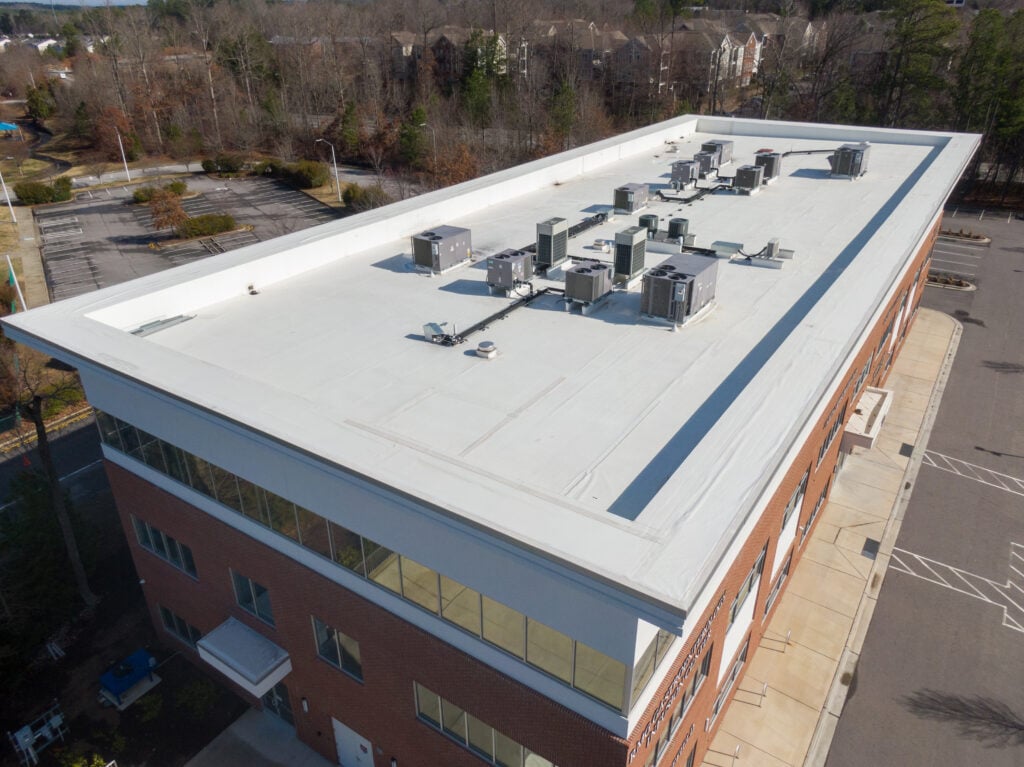
FM Global’s roofing requirements go beyond aesthetics or building code—they focus on real-world performance during fire, wind, and weather events. These standards are designed to protect both the structure and the contents inside, minimizing financial loss and operational downtime.
In Charlotte and surrounding areas, where severe weather and humidity can test any roofing system, FM Global compliance ensures that your building meets nationally recognized safety and durability benchmarks.
Here’s why FM standards matter for every property owner and facility manager:
- Insurance Compliance: FM-approved roofs are often mandatory for properties insured by FM Global and are highly recommended for any business seeking comprehensive coverage.
- Loss Prevention: These standards are developed through extensive testing to prevent fire spread, water intrusion, and wind damage—key risks for commercial roofs.
- Longevity and Reliability: Systems meeting FM standards typically outperform standard installations due to rigorous design and material specifications.
- Energy Efficiency: Many FM-approved assemblies are engineered for better insulation and reduced heat transfer, lowering operational costs.
- Peace of Mind: Knowing your roof meets global safety benchmarks allows you to focus on business operations without worrying about compliance gaps.
FM Global standards aren’t just for large corporations—they benefit any commercial property owner looking to reduce long-term risk and maintenance costs.
4 Core FM Global Requirements for Commercial Roofs
FM Global divides its roofing standards into several categories, but four primary areas define whether a system is FM-approved. Understanding these will help you identify what’s required for your facility and ensure your roofing contractor designs a compliant solution.
1. FM 4450 and FM 4470: Roof Assembly Approvals
FM 4450 applies to insulated steel deck assemblies, while FM 4470 governs insulated roof cover assemblies for all deck types. These are the heart of FM approval. They test how roofing materials and systems perform under fire, wind, hail, and impact conditions.
Key points:
- The system must pass tests for fire propagation, uplift resistance, and weathering.
- Each tested assembly receives an FM Approval number, confirming it meets standards.
- Assemblies are listed in FM’s RoofNav database, which allows contractors to verify approved combinations of membranes, insulation, and fasteners.
If you’re installing or replacing a commercial roof, your contractor should always reference FM 4470-approved assemblies from RoofNav. This ensures every component—from insulation to fasteners—is tested together as a system, not just individually.
2. FM 1-90, 1-105, and 1-120: Wind Uplift Ratings
Wind uplift resistance is one of the most critical aspects of FM compliance. FM Global’s ratings, expressed as 1-60, 1-90, 1-105, or higher, indicate how many pounds per square foot of uplift pressure the roof can withstand.
For example:
- FM 1-60: Suitable for basic wind zones (up to 60 pounds per square foot).
- FM 1-90: Common for most commercial properties in the Charlotte region.
- FM 1-120: Required for high-wind or coastal environments.
Your required rating depends on your location, building height, and exposure. Because Charlotte occasionally experiences strong windstorms and hurricanes remnants, most commercial buildings here must meet or exceed FM 1-90 standards.
3. Fire Resistance and Combustibility
FM Global evaluates roofs for fire spread and resistance. The goal is to prevent flames from penetrating the deck or spreading across the roof surface.
- Roof assemblies must meet Class 1 fire ratings for non-combustibility.
- Materials like insulation boards, membranes, and adhesives are tested for flame spread.
- Roof penetrations, flashings, and curbs must maintain integrity under heat.
Following these standards helps protect your facility and can reduce insurance premiums by minimizing fire risk.
4. Drainage and Maintenance Standards
Even the most robust roof system fails without proper drainage and maintenance. FM Global requires roof slopes and drain placements that prevent ponding water, which can cause structural stress or insulation damage.
Key guidelines include:
- Roof slope minimum: ¼ inch per foot to promote drainage.
- Redundant drainage points for large roof areas.
- Routine inspections documented and maintained for insurer verification.
For commercial buildings in Charlotte and surrounding areas, where heavy rainfall is common, meeting drainage standards prevents warranty disputes and long-term damage.
5 Steps to Ensure Your Roofing System Meets FM Global Requirements
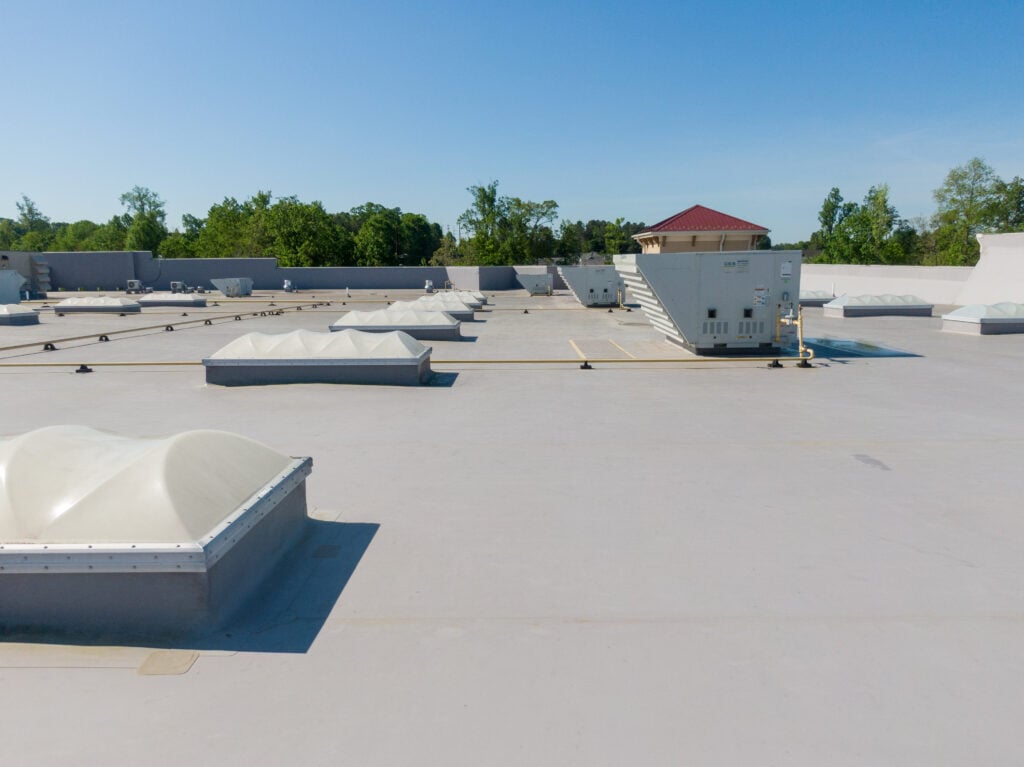
FM compliance doesn’t happen by accident—it requires planning and precision during every stage of the roofing project. Whether you’re installing a new system or upgrading an existing one, follow these steps to make sure your property meets FM Global’s standards.
1. Conduct a RoofNav Search
Before starting, your contractor should access FM’s RoofNav database to find approved assemblies that match your building’s structure and insulation needs. Each system listed has been tested for wind, fire, and water resistance.
- Verify that your selected roof assembly carries FM 4470 approval.
- Confirm that all materials—membrane, fasteners, insulation—are part of the tested system.
- Avoid mixing components from different assemblies, which can void approval.
2. Match Wind Uplift Ratings to Your Building
Each building has unique wind exposure factors based on its height, location, and surroundings. Your roofing contractor should calculate these loads and select a system with the appropriate FM rating.
- Buildings over 60 feet tall require higher ratings (1-105 or greater).
- Roof edges and corners experience higher pressure and may need reinforcement.
- For Charlotte and surrounding areas, FM 1-90 is typically the baseline.
3. Use FM-Approved Materials and Contractors
FM Global requires both materials and installers to meet its standards. Always verify that your contractor:
- Uses FM-approved materials verified through RoofNav.
- Has experience with FM-compliant installations.
- Provides documentation and inspection reports for insurer verification.
At Great State Roofing, our teams are trained to follow FM specifications throughout the installation process to ensure full compliance.
4. Schedule FM Inspections and Documentation
FM Global or your insurer may require pre-installation, in-progress, and final inspections. Documentation such as system drawings, fastener patterns, and inspection photos should be saved for future audits.
- Inspections confirm that installation matches approved designs.
- Deviations can delay approvals or void insurance coverage.
- Maintaining records helps with renewals and claim processing.
5. Implement an Ongoing Maintenance Plan
FM compliance doesn’t end when installation is complete. Roofs must be inspected regularly to maintain approval and insurance compliance.
- Perform semiannual inspections and after major storms.
- Clean drains, remove debris, and repair punctures quickly.
- Keep maintenance logs as proof of compliance.
A well-documented maintenance program not only keeps you compliant but also extends roof life and warranty coverage.
Additional Factors That Strengthen FM Compliance
FM Global requirements are extensive, but a few additional practices can help your facility exceed the minimums and improve performance overall.
Enhanced Wind Design
Reinforcing roof edges, corners, and terminations with additional fasteners and adhesives significantly improves wind resistance. This approach is especially beneficial in open areas around Charlotte where gusts can accelerate.
Energy Efficiency Integration
FM-approved insulation systems can also contribute to LEED points or energy savings. Using polyiso insulation with high R-values can reduce utility costs without compromising FM compliance.
Fire Safety Enhancements
Consider installing protective barriers or thermal breaks between roofing materials and interior components to increase fire safety and prevent lateral spread.
Drainage Upgrades
Adding overflow drains, tapered insulation, and routine maintenance plans prevents water accumulation, which is one of the most common causes of warranty disputes and roof degradation.
Regular Third-Party Audits
Independent audits verify that your system continues to meet FM standards as it ages. This is particularly useful before selling or refinancing a commercial property.
Comparing FM Global Standards to Local Building Codes
Many property owners assume meeting local code is enough, but FM Global requirements are stricter and more performance-based.
| Category | Local Code Requirement | FM Global Requirement | Benefit |
| Wind Uplift | Meets regional average | Tested for specific PSF ratings | Higher protection during storms |
| Fire Safety | Basic material flame rating | Full system fire propagation testing | Lower insurance risk |
| Drainage | General slope guidance | Detailed drainage performance standards | Prevents ponding and leaks |
| Installation | Contractor discretion | Verified installer and inspection process | Quality assurance |
| Maintenance | Not required | Mandatory maintenance records | Extended roof lifespan |
By designing to FM Global standards, you automatically exceed local code, creating a safer, more reliable building envelope.
Partnering with the Right Roofing Contractor
Meeting FM Global requirements takes experience, technical expertise, and attention to detail. A qualified contractor ensures your roof not only passes inspection but performs optimally for decades.
When evaluating roofing contractors in Charlotte and surrounding areas, look for:
- Proven experience with FM-approved assemblies and documentation.
- A track record of commercial projects that met insurance requirements.
- Clear communication regarding inspection schedules and recordkeeping.
- Manufacturer certifications for the roofing systems you plan to install.
Working with professionals who understand FM Global standards from design to maintenance ensures your property remains protected and insurable.
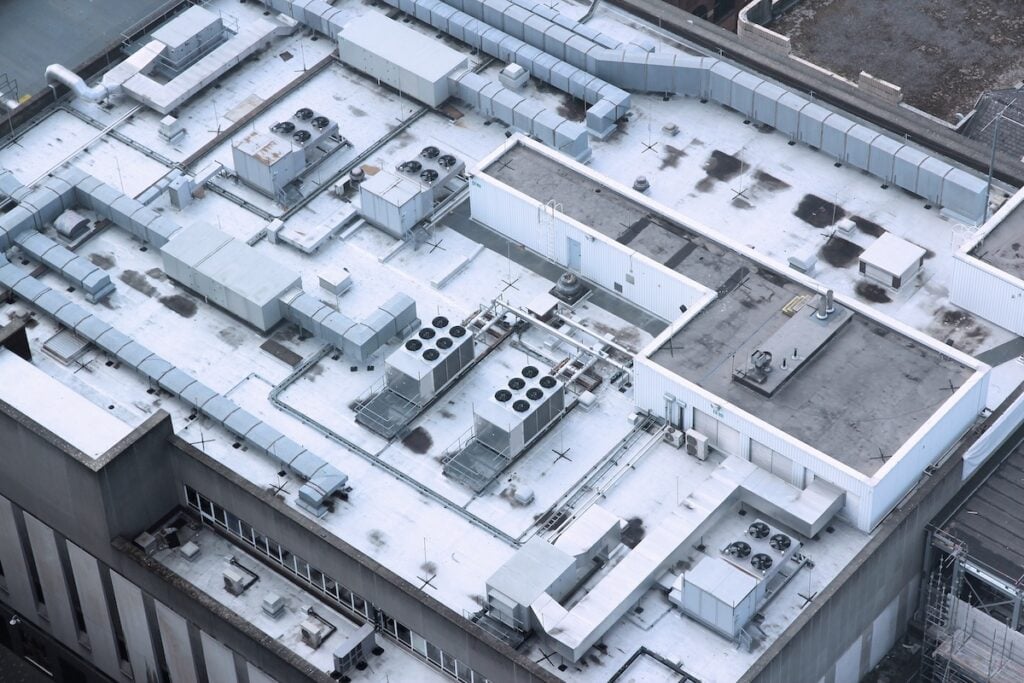
Protect Your Commercial Property with FM-Approved Roofing
FM Global compliance isn’t just about satisfying an insurance requirement—it’s about protecting your facility, employees, and bottom line. A roof that meets FM Global requirements stands up to weather, fire, and time with confidence.
If you manage or own a commercial building in Charlotte or surrounding areas, Great State Roofing can help you design and install a roof system that meets FM standards from the ground up. Our experienced team works directly with manufacturers and insurers to ensure compliance, documentation, and performance that lasts.
For expert guidance on FM-approved roofing systems or to schedule a consultation, contact us today and let Great State Roofing help you build a safer, stronger, and more compliant property.
Very professional. Quality work. I would highly recommend for any roofing needs.

Matt V

