
Looking For a Local Commercial Roofer in 2026? (8 Tips Before Hiring)
Posted 3.05.26 | 9 Minute Read
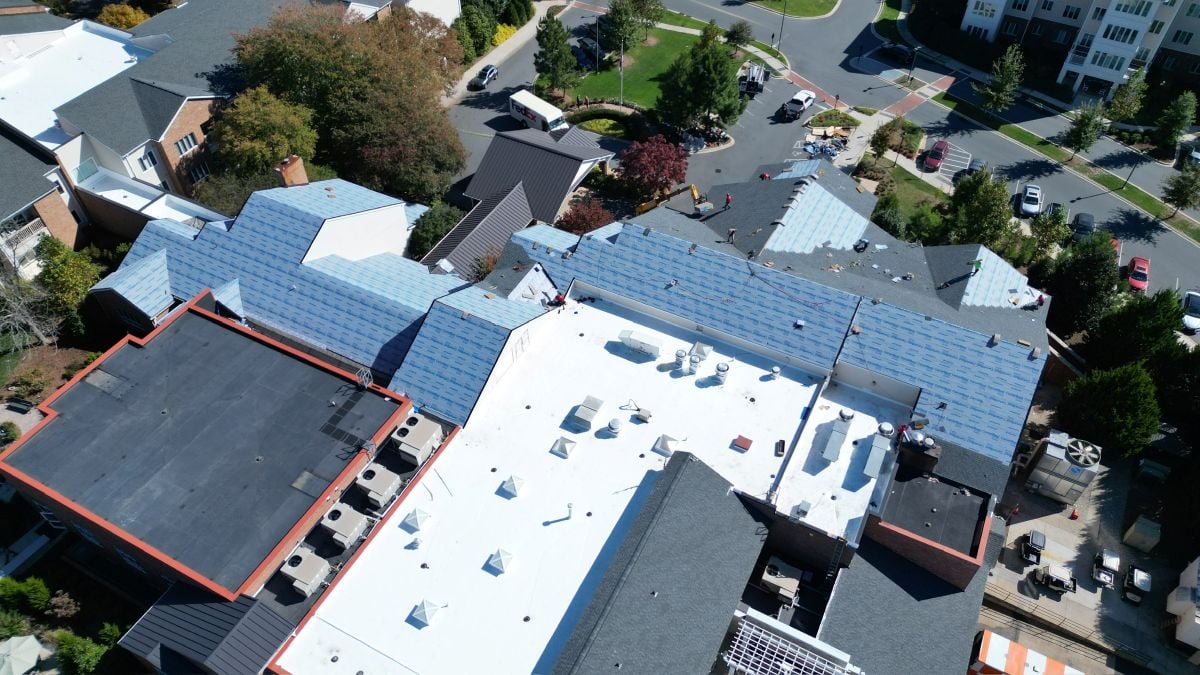
Choosing the right roofing contractor is one of the most important decisions a business owner can make. A high quality commercial roof protects your building, employees, equipment, and long term investment. When searching for a local commercial roofer, experience, reliability, and regional knowledge make a major difference in the results you receive. Property owners who want dependable roofing solutions often start by learning what separates average contractors from trusted professionals. If you want to learn more about professional roofing options for business properties, you can explore reliable commercial roofing solutions that help protect your building long term.
In this guide, you will learn:
- What makes hiring a local commercial roofer different from hiring a general contractor
- Key advantages of working with a roofer who understands regional climate and building codes
- Eight important tips to consider before hiring a commercial roofing company
- Practical ways to protect your investment and avoid costly roofing mistakes in 2026
Why Choosing the Right Commercial Roofer Matters More Than Ever
Commercial roofing is one of the most important investments a property owner can make. A poorly installed or improperly maintained roof can lead to leaks, structural damage, energy loss, and tenant complaints. On the other hand, a professionally installed commercial roof can last decades and significantly improve building performance.
Businesses throughout Huntersville and surrounding areas are paying closer attention to roofing decisions in 2026. Increasing weather variability, rising repair costs, and stricter building standards mean property owners need experienced contractors who understand modern roofing systems.
Working with the right roofing partner offers several key advantages.
- Long Term Protection: Proper installation and quality materials help prevent leaks, moisture damage, and premature roof failure.
- Code Compliance: Experienced commercial roofers understand local regulations, permits, and safety standards required for commercial buildings.
- Lower Operating Costs: Modern roofing systems improve insulation and energy efficiency, reducing heating and cooling expenses.
- Fewer Business Disruptions: Professional contractors carefully schedule work to keep operations running smoothly during installation.
- Reliable Warranties: Established roofing companies provide warranties that protect your investment and provide peace of mind.
These advantages highlight why hiring a qualified contractor is not simply about finding the lowest price. It is about protecting the long term value of your property.
8 Tips Before Hiring a Commercial Roofing Company in 2026
Selecting a roofing contractor requires careful research. The following eight tips can help you evaluate contractors and make an informed hiring decision.
1. Verify Licensing, Insurance, and Certifications
Before signing a contract, confirm that the roofing company operates legally and carries the necessary protections. Commercial roofing projects involve specialized equipment, elevated work areas, and safety risks.
A professional contractor should provide:
- Proof of licensing where required
- General liability insurance coverage
- Workers’ compensation insurance
- Certifications from roofing material manufacturers
These protections help ensure you are not financially responsible for accidents or installation mistakes.
2. Look for Proven Commercial Roofing Experience
Commercial roofing systems are very different from residential roofing. They often involve flat or low slope designs, larger surface areas, and specialized materials.
When evaluating contractors, ask about:
- Types of commercial roofing systems they install
- Experience with large scale commercial projects
- Past work on office buildings, retail spaces, or warehouses
- Years of experience working with commercial properties
Business owners in Huntersville and surrounding areas often benefit from working with contractors who specialize specifically in commercial roofing.
3. Evaluate Their Knowledge of Local Climate
Weather conditions play a major role in roof durability. Contractors familiar with regional weather patterns can recommend materials designed to withstand heat, humidity, storms, and seasonal temperature changes.
Local expertise helps with:
- Selecting durable roofing materials
- Designing effective drainage systems
- Preventing moisture buildup
- Preparing roofs for severe weather events
A contractor who understands the regional climate can recommend roofing systems that perform reliably over time.
4. Ask About Roofing System Options
Commercial buildings use a variety of roofing materials and systems. A knowledgeable contractor should be able to explain different options and help you determine which system fits your property best.
Common commercial roofing systems include:
- TPO roofing membranes
- EPDM rubber roofing
- Modified bitumen roofing systems
- Metal commercial roofing panels
- Built up roofing systems
Each option has different advantages depending on the building structure, climate conditions, and long term maintenance expectations.
5. Request Detailed Written Estimates
Transparency is essential when hiring a commercial roofing contractor. Detailed written estimates help you understand exactly what is included in the project.
A professional estimate should clearly outline:
- Roofing materials and specifications
- Labor costs and project scope
- Expected timeline for completion
- Warranty coverage
- Cleanup and debris removal procedures
Clear documentation helps avoid misunderstandings later in the project.
6. Review Customer Feedback and Reputation
Customer reviews and testimonials provide valuable insight into how a roofing company operates. Look for consistent feedback regarding professionalism, communication, and quality workmanship.
Reliable research sources include:
- Google reviews
- Business directories
- Industry certifications
- Past client references
Businesses in Huntersville and surrounding areas often rely heavily on community reputation when selecting contractors.
7. Understand Warranty Coverage
Roof warranties vary depending on materials and installation practices. Understanding warranty details helps protect your investment.
Important warranty questions include:
- Does the warranty cover both labor and materials?
- How long does the warranty last?
- Are regular inspections required to maintain coverage?
- What repairs are included if issues occur?
Reliable contractors explain warranty terms clearly and provide documentation.
8. Evaluate Communication and Professionalism
Professionalism plays a major role in the success of a roofing project. Contractors who communicate clearly help ensure projects stay on schedule and meet expectations.
Signs of strong professionalism include:
- Prompt responses to questions and inquiries
- Clear explanations of materials and procedures
- Detailed project timelines
- Organized scheduling and planning
These factors help ensure your commercial roofing project runs smoothly.
Signs You Have Found the Right Commercial Roofing Partner
Once you begin comparing contractors, certain characteristics indicate you may have found a reliable roofing partner. Recognizing these qualities can help you feel confident about your choice.
A dependable roofing company will typically demonstrate several important traits.
Transparent Communication
Reliable contractors explain the entire process clearly from the first consultation. They provide honest assessments of your roof’s condition and realistic expectations for repairs or replacements.
This transparency builds trust and prevents surprises later in the project.
Thorough Roof Inspections
Professional commercial roofers begin with a detailed inspection rather than offering quick estimates without examining the roof.
A thorough inspection often identifies issues such as:
- Drainage problems
- Structural concerns
- Moisture intrusion
- Aging or damaged materials
This step ensures accurate recommendations and pricing.
Strong Safety Standards
Commercial roofing projects require strict safety practices. Experienced contractors follow industry safety protocols and ensure their teams are properly trained.
Typical safety practices include:
- Use of protective equipment
- Secure jobsite setup
- Compliance with OSHA guidelines
- Proper training for roofing crews
Safety focused contractors reduce risk for both workers and property owners.
Organized Project Planning
Experienced roofing companies create structured project plans that include scheduling, materials management, and communication updates.
This planning helps minimize disruptions to business operations and keeps projects on track.

Common Mistakes Businesses Make When Hiring Roofers
Even experienced property owners sometimes make avoidable mistakes when selecting contractors. Understanding these pitfalls can help prevent costly problems later.
Commercial roofing represents a significant investment, so careful planning is essential.
Choosing Based Only on Price
Low bids may seem appealing at first, but extremely low prices can indicate poor materials or inexperienced crews.
Instead of focusing only on cost, evaluate:
- Quality of materials
- Contractor experience
- Warranty coverage
- Reputation and past work
Choosing value rather than the cheapest option often results in better long term performance.
Ignoring Maintenance Planning
Many business owners focus on installation but overlook maintenance. Regular inspections and preventative maintenance extend the life of commercial roofing systems.
Professional roofers often recommend periodic inspections to identify issues before they become major repairs.
Skipping Written Contracts
Verbal agreements can lead to confusion about project expectations. Written contracts help protect both parties and clarify project details.
Contracts should include:
- Scope of work
- Payment schedule
- Project timeline
- Warranty details
- Cleanup responsibilities
Clear contracts reduce the risk of misunderstandings.
Hiring Contractors Without Local Experience
Roofing companies unfamiliar with local climate conditions or building regulations may struggle to deliver durable results. Local experience allows contractors to design roofing systems that perform well in the regional environment.
Businesses across Huntersville and surrounding areas often benefit from choosing roofing companies that regularly work within the community.
How Commercial Roofing Technology Is Evolving in 2026
Commercial roofing continues to evolve as new materials, technology, and sustainability practices reshape the industry. Property owners today have more options than ever before to improve roof performance.
Understanding these developments can help businesses make smarter long term decisions.
Energy Efficient Roofing Systems
Energy efficient roofing materials are becoming increasingly popular among commercial property owners. Reflective membranes and improved insulation help reduce cooling costs during warm seasons.
Benefits include:
- Lower energy bills
- Improved indoor comfort
- Reduced environmental impact
- Potential energy efficiency incentives
These systems are especially beneficial for large commercial buildings.
Smart Roof Monitoring Technology
Some modern roofing systems now include monitoring technology that tracks moisture levels, temperature changes, and structural movement.
These systems help detect potential issues early before visible damage occurs. Early detection reduces repair costs and prevents unexpected downtime for businesses.
Sustainable Roofing Materials
Sustainability is becoming a major focus in the roofing industry. Many manufacturers now offer environmentally friendly roofing materials designed to reduce waste and improve recyclability.
Examples include:
- Recyclable roofing membranes
- Reflective roof coatings
- Vegetative or green roofing systems
These solutions help businesses meet environmental goals while maintaining strong roof performance.
Improved Storm Resistance
Modern roofing materials are also designed to withstand stronger storms and unpredictable weather conditions. Improved manufacturing techniques have led to roofing systems with enhanced wind, hail, and moisture resistance.
These advancements help protect commercial properties and reduce long term repair costs.
Protecting Your Commercial Property for the Long Term
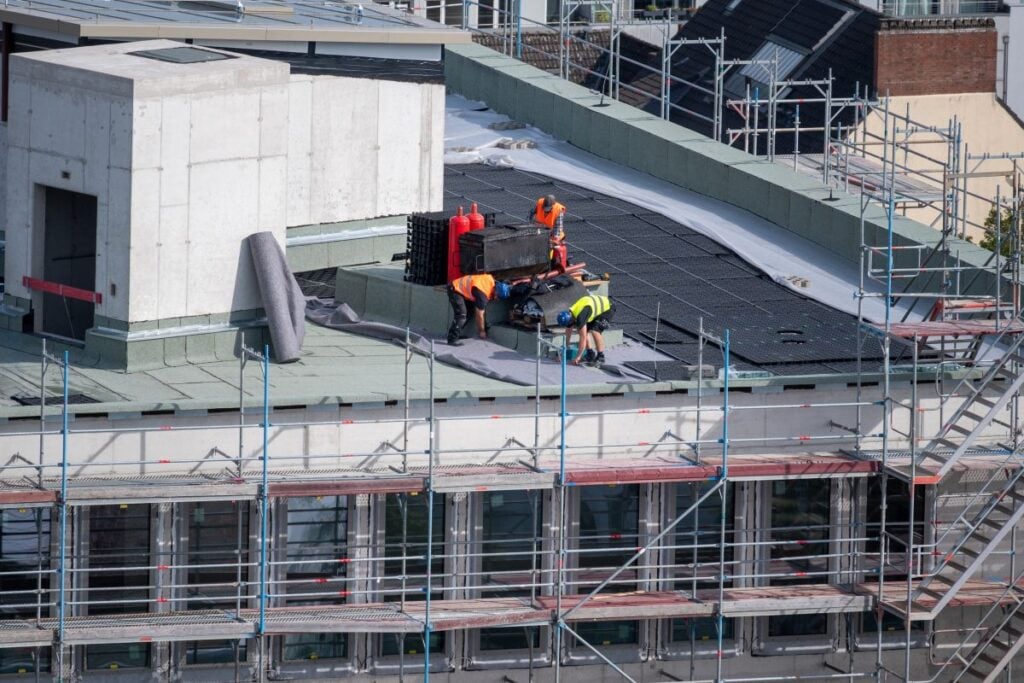
A commercial roof does far more than cover a building. It protects employees, tenants, inventory, equipment, and daily operations from the elements. Choosing the right contractor ensures that your roofing system performs reliably for years.
Business owners who take time to research contractors, understand roofing materials, and evaluate long term maintenance needs are far more likely to achieve successful outcomes. A dependable roofing partner can guide these decisions and ensure every phase of the project meets professional standards.
If you are searching for experienced roofing professionals, the team at Great State Roofing is ready to help. From inspections to full commercial roof installations, their team understands the needs of business properties throughout Huntersville and surrounding areas. If your property needs expert guidance or service, contact us today to schedule a consultation with Great State Roofing.
Very professional. Quality work. I would highly recommend for any roofing needs.

Matt V

