
Metal Roof Trim (5 Design & Protection Benefits Explained)
Posted 3.19.26 | 7 Minute Read
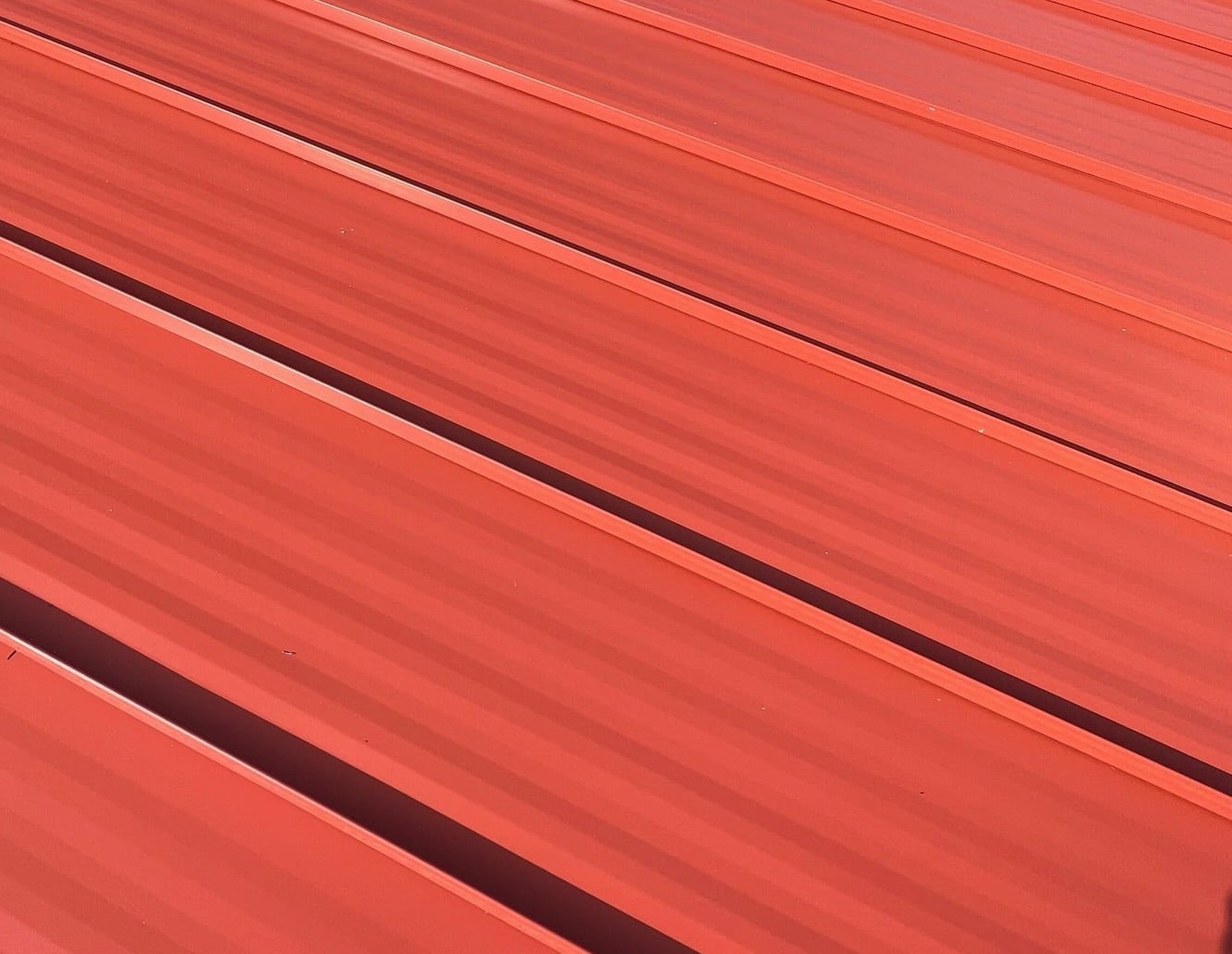
A well built metal roof is more than panels and fasteners. The finishing components are what help the system perform and look its best for decades. One of the most important of these pieces is metal roof trim, which seals edges, protects vulnerable areas, and completes the roof’s appearance. Homeowners researching durable roofing systems often explore modern metal roofing solutions for residential properties to better understand how trim, panels, and flashing work together to create a long lasting roof.
In this guide, you will learn:
- What metal roof trim is and why it matters for roof performance
- Key design and protection benefits provided by trim components
- Five important trim types commonly used in metal roofing systems
- Maintenance and installation insights that help extend roof lifespan
Why Metal Roof Trim Plays a Critical Role in Roofing Systems
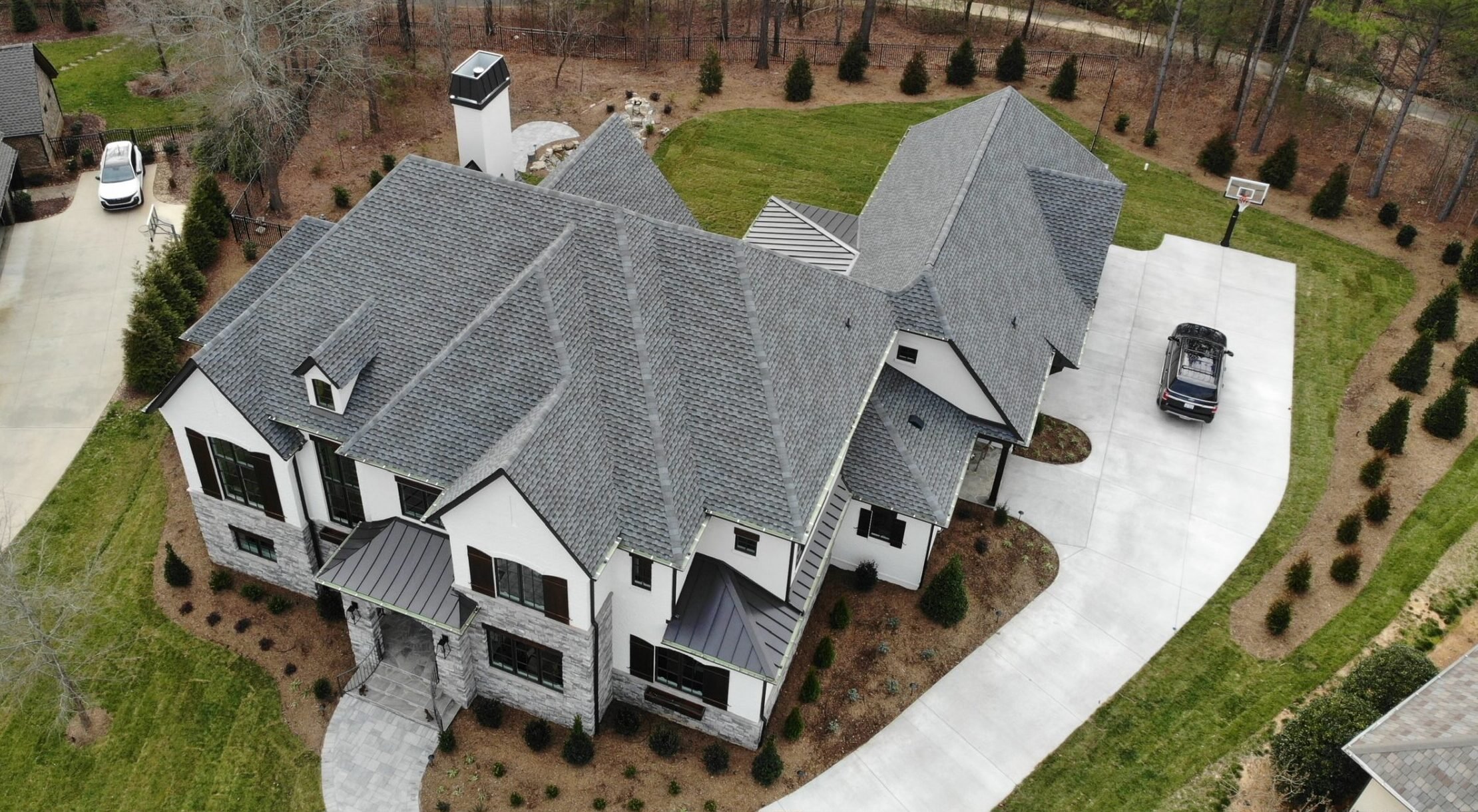
Metal roofing is widely known for durability, energy efficiency, and modern appearance. However, the performance of the roof depends on more than the panels themselves. Trim pieces are used at roof edges, ridges, and transitions to seal gaps and protect the roof from weather intrusion.
Without proper trim installation, wind driven rain, debris, and moisture can find their way into vulnerable areas of the roof system. These components also contribute significantly to the finished appearance of the roof.
Homes in Waxhaw and surrounding areas experience a variety of weather conditions throughout the year, including storms, humidity, and strong sunlight. Proper trim installation helps ensure the roofing system remains secure and weather resistant.
Several benefits highlight the importance of metal roof trim.
- Weather Protection: Trim seals edges and joints where water could otherwise enter the roofing system.
- Structural Reinforcement: Edge components strengthen vulnerable roof areas exposed to wind and debris.
- Aesthetic Finishing: Trim provides a polished, cohesive look that completes the overall roof design.
- Improved Water Flow: Properly installed trim helps guide water away from roof edges and transitions.
- Long Term Durability: Protecting roof edges and seams helps extend the lifespan of the roofing system.
These benefits show why trim should never be treated as a minor detail in metal roofing design.
5 Essential Metal Roof Trim Components and Their Benefits
Metal roofing systems use several types of trim pieces to protect specific areas of the roof. Each component serves a unique function that contributes to the roof’s durability and appearance.
1. Ridge Cap Trim
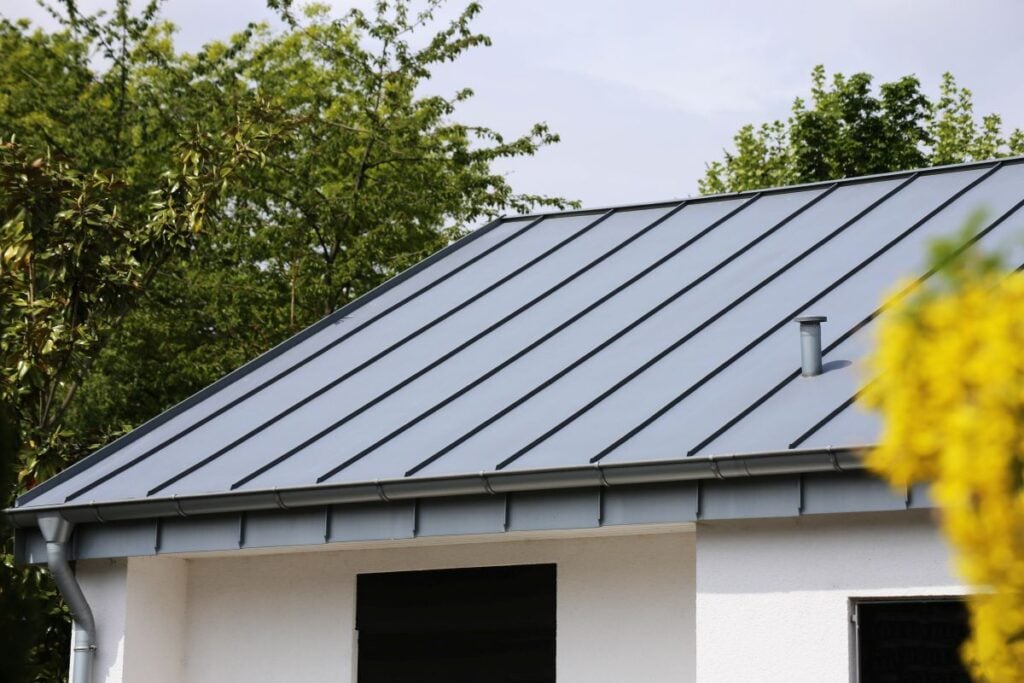
The ridge of the roof is where two roof slopes meet at the highest point. This area must be sealed carefully to prevent water intrusion while still allowing proper ventilation.
Ridge cap trim covers the peak of the roof and provides protection where the panels meet.
Its benefits include:
- Protecting the ridge from water penetration
- Covering panel seams at the roof peak
- Supporting ventilation systems beneath the ridge
When installed correctly, ridge trim helps maintain airflow while protecting the roof from moisture.
2. Eave Trim
The eave is the lower edge of the roof where water flows into the gutter system. Eave trim protects this edge while directing water away from the structure.
This trim piece performs several important roles:
- Supporting the lower edge of metal panels
- Guiding water into the gutter system
- Protecting roof decking from moisture exposure
Without eave trim, water could reach vulnerable areas beneath the roofing panels.
3. Gable Trim
Gable trim is installed along the sloped edges of the roof where the panels meet the exterior walls of the building.
This trim protects the roof edges while creating a clean visual transition between roofing panels and siding.
Gable trim helps:
- Prevent wind driven rain from entering beneath panels
- Protect exposed roof edges from weather damage
- Improve the finished appearance of the roofline
In areas with strong winds, properly installed gable trim provides additional stability.
4. Valley Trim
Roof valleys occur where two roof slopes meet at an inward angle. These areas collect large amounts of water during rainfall, making them particularly vulnerable to leaks.
Valley trim creates a channel that safely directs water down the roof.
Benefits of valley trim include:
- Managing heavy water flow during storms
- Preventing water from penetrating panel seams
- Protecting underlying roof decking
Because valleys handle high volumes of water, proper trim installation is essential.
5. Transition Trim
Transition trim is used when two different roof slopes meet or when roofing sections connect at varying angles.
These trim components help maintain a watertight seal while accommodating structural changes in the roof design.
Transition trim provides:
- Seam protection at slope changes
- Improved water drainage between sections
- A smooth visual transition across the roof surface
Complex roof designs often rely heavily on these trim pieces to maintain performance.
Design Advantages of Metal Roof Trim
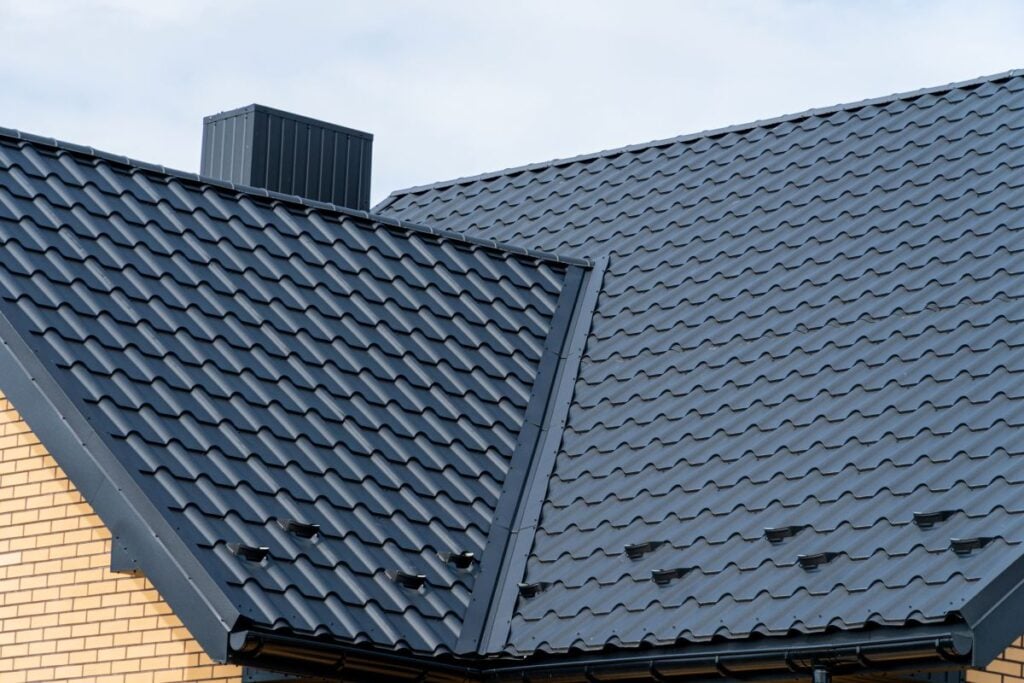
Beyond protection, trim components also contribute to the overall visual design of a metal roof. Modern metal roofing systems offer a wide range of trim styles and finishes that complement different architectural styles.
Properly selected trim enhances both function and aesthetics.
Color Coordination
Many metal roof trims are available in matching colors or finishes that coordinate with roofing panels.
Color matching provides:
- A unified roof appearance
- Clean visual lines across the roof surface
- Increased curb appeal
This design consistency helps the roof blend seamlessly with the home’s exterior.
Architectural Detail
Trim can also enhance architectural features of the roofline. Certain trim styles highlight edges, ridges, and transitions in ways that add depth to the roof’s appearance.
Design enhancements may include:
- Decorative ridge caps
- Custom edge trims
- Accent flashing details
These features allow homeowners to customize the appearance of their roof while maintaining functionality.
Seam Integration
Metal roofing panels often connect through standing seams or overlapping edges. Trim pieces help integrate these seams into the roof design while protecting them from weather exposure.
Proper seam integration improves both roof performance and appearance.
Comparing Common Metal Roof Trim Materials
Metal roof trim is typically manufactured from materials designed to match the durability of the roofing panels themselves. Choosing compatible materials helps ensure long term performance.
Below is a comparison of common trim materials used in metal roofing systems.
| Trim Material | Typical Use | Advantages |
| Galvanized Steel | Residential and commercial metal roofs | Strong, corrosion resistant |
| Aluminum | Lightweight roofing systems | Excellent rust resistance |
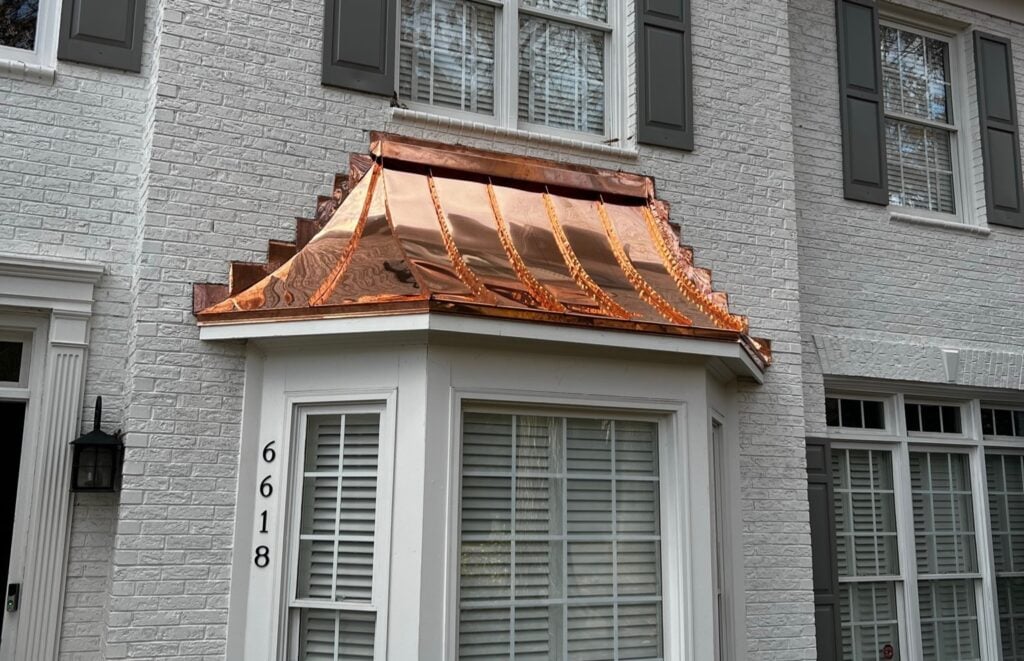
| Copper | High end architectural roofing | Premium appearance and durability |
| Galvalume Steel | Modern metal roofing systems | Long lifespan and weather resistance |
Matching trim material with roofing panels helps maintain consistent durability and appearance.
Maintenance Tips for Metal Roof Trim
Although metal roofing systems require relatively little maintenance, trim components should still be inspected periodically to ensure they remain secure and functional.
Routine maintenance helps extend the life of the entire roofing system.
Homeowners can protect trim components by following several simple steps.
- Inspect roof edges annually: Check ridge caps, valleys, and eave trim for loosened fasteners or sealant issues.
- Keep gutters clean: Proper drainage prevents water from backing up under trim components.
- Remove debris from roof surfaces: Leaves and branches can trap moisture near roof edges.
- Check for corrosion: Early signs of rust should be addressed before they spread.
- Schedule professional inspections: Roofing professionals can identify potential problems before they become major repairs.
Homeowners in Waxhaw and surrounding areas often benefit from periodic roof inspections after major storms to ensure trim components remain secure.
Protecting Your Metal Roof for the Long Term
Metal roofing systems are known for durability, but their performance depends on the proper installation of every component. Trim pieces play a critical role in sealing roof edges, protecting seams, and directing water safely off the structure.
By understanding how metal roof trim works and ensuring it is installed correctly, homeowners can protect their investment and extend the life of their roofing system. Well designed trim also enhances the visual appeal of the roof, creating a clean and finished appearance that complements the home’s architecture.
If you want expert guidance on metal roofing systems or need help maintaining your roof, the team at Great State Roofing is ready to assist. Their experienced professionals provide inspections, repairs, and installation services for homeowners throughout Waxhaw and surrounding areas. If you would like professional advice or service for your roof, contact us today to schedule a consultation with Great State Roofing and keep your home protected for years to come.
Very professional. Quality work. I would highly recommend for any roofing needs.

Matt V

