

What Is a Roof Scupper? (Scupper vs Drain Guide)
Posted 1.27.26 | 6 Minute Read
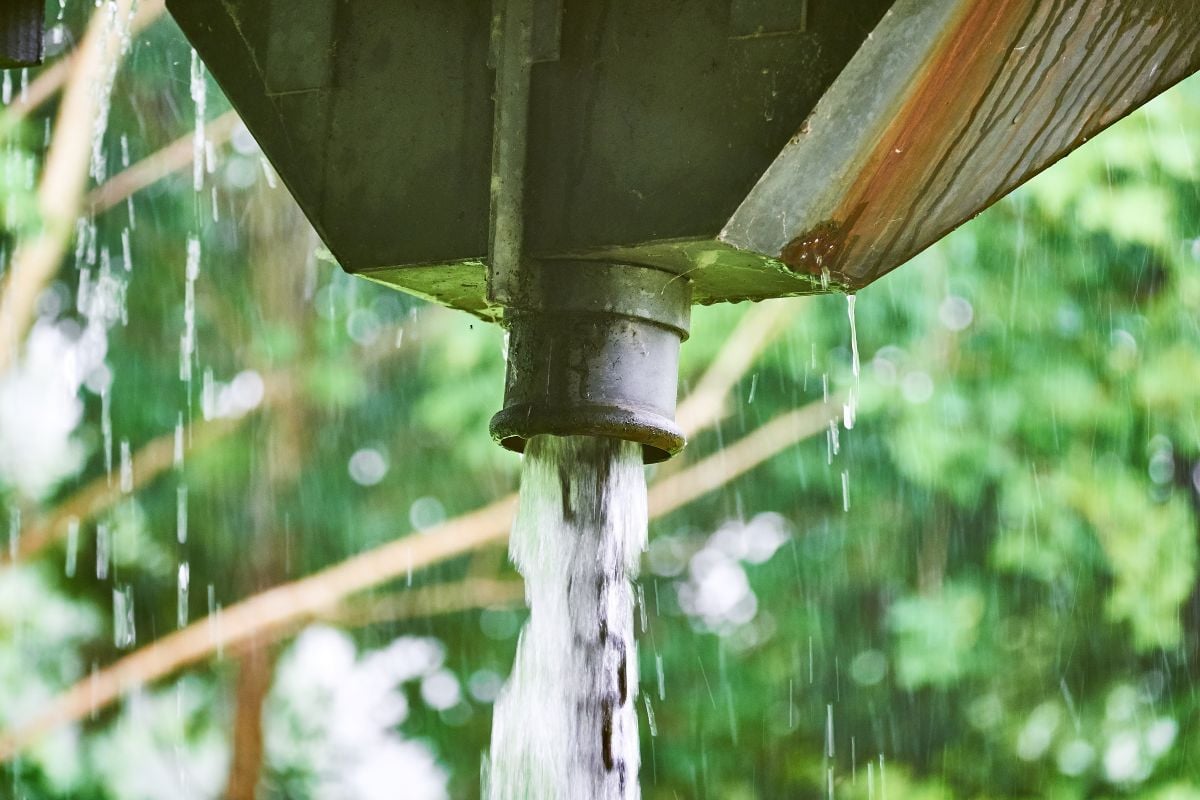
Understanding the role of a roof scupper is essential for maintaining a safe, effective commercial roofing system. Roof scuppers help manage water runoff by providing an outlet for rainwater to exit flat or low-slope roofs, preventing water pooling and potential structural damage. For businesses interested in optimized water drainage solutions, exploring professional commercial roofing services offers valuable insight into effective design and implementation. In this comprehensive guide, you will learn:
- The critical functions of roof scuppers versus roof drains
- Key design considerations for roof scuppers
- Advantages and disadvantages of scuppers in commercial roofing
- Practical maintenance tips to extend the life of roof scuppers
- When to choose scuppers over other drainage options
Why Roof Scuppers Are Vital in Commercial Roofing
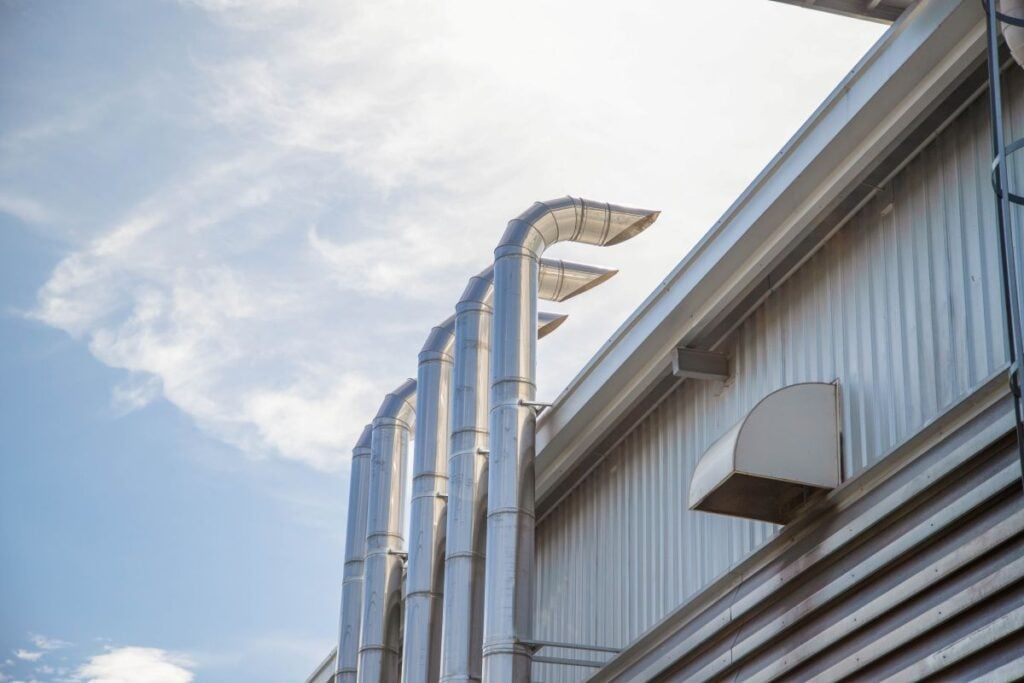
Roof scuppers serve as a crucial component of a commercial roof’s drainage system, addressing water management in flat or low-slope roofs where gravity alone isn’t sufficient to move stormwater. Proper water drainage reduces the risk of leaks, structural damage, and the costly consequences of standing water. This importance is heightened in regions experiencing heavy rainfall or where building codes emphasize robust drainage.
- Water Management: Scuppers provide a clear path for water to exit the roof perimeter efficiently.
- Structural Preservation: Prevent standing water that can weaken roofing materials or cause leaks.
- Regulatory Compliance: Many local building codes require adequate drainage outlets like scuppers on commercial buildings.
- Cost Efficiency: Properly installed scuppers minimize extensive repairs by avoiding water damage.
- Versatility: Scuppers are adaptable to diverse roofing materials and architectural styles.
Understanding the principles of positive drainage helps property owners design commercial roofing systems that efficiently channel water away and reduce long-term structural risk.
6 Essential Differences Between Roof Scuppers and Roof Drains
Although both scuppers and roof drains fulfill the purpose of water removal, understanding the distinct roles they play helps in designing more effective and durable roofing systems. Below are six key differences:
1. Location and Installation
Roof scuppers are installed on the perimeter walls of rooftops, allowing water to drain off the edge. In contrast, roof drains are centrally located and connected to internal piping that channels water down through the building.
- Scupper Location: Fixed on parapet or sidewalls
- Drain Placement: Positioned in roof’s low spots or valleys
2. Drainage Pathway
Scuppers allow water to flow directly onto the ground or into an external drainage system, whereas roof drains lead water through interior pipes.
- Scupper Flow: External discharge
- Drain Flow: Internal municipal or rainwater systems
3. Suitability for Roof Types
Scuppers are ideal for flat or nearly flat roofs with parapet walls, while roof drains are suitable for roofs designed with internal drainage strategies.
- Scupper Fit: Best for low-slope roofs with perimeter walls
- Drain Fit: Suitable for any roof with structural provision for internal piping
4. Weather Exposure
Since scuppers discharge water externally, they are exposed to weather elements and require materials resistant to corrosion and wear. Roof drains are generally protected indoors.
- Scupper Exposure: Subject to UV, debris, and freeze-thaw cycles
- Drain Exposure: Mostly sheltered inside piping systems
5. Maintenance Requirements
Scuppers need regular clearing of debris at the roof edge, while roof drains require inspection of internal pipes and strainers.
- Scupper Upkeep: Debris clearing and seal checks
- Drain Upkeep: Cleaning strainers and checking internal pipes
6. Installation Complexity
Scuppers typically involve less complex installation than roof drains because they do not require internal piping networks, which can impact cost and installation duration.
- Scupper Installation: Less complex, quicker implementation
- Drain Installation: Requires detailed piping and professional expertise
Design Considerations for Installing Roof Scuppers Effectively
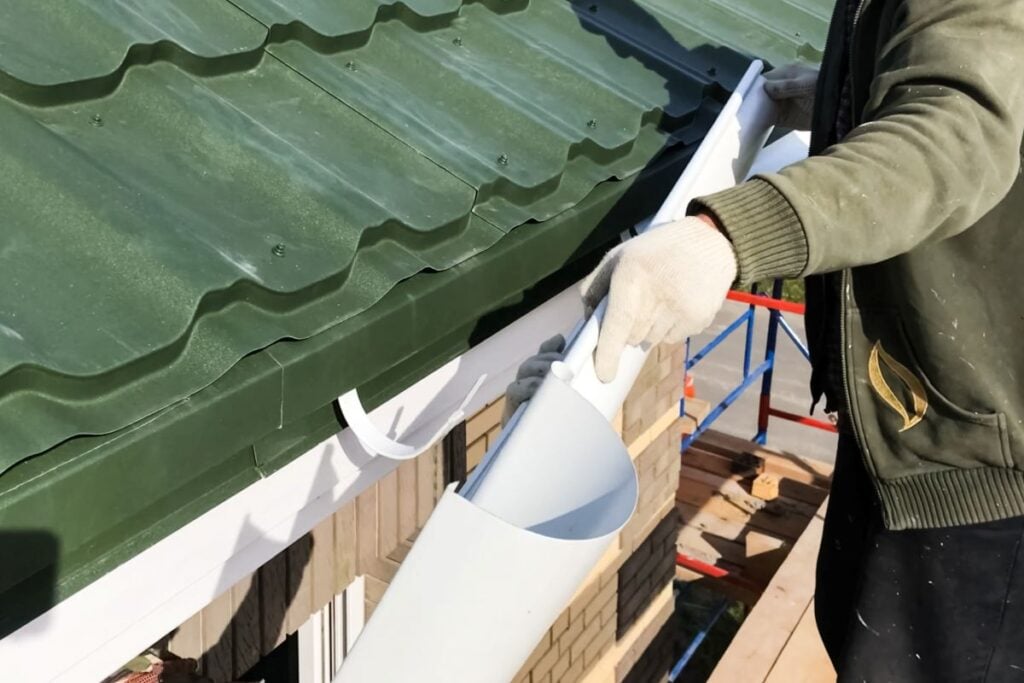
Designing roof scuppers requires a thoughtful approach to ensure optimal drainage and durability. Factors such as roof slope, local climate, and roof size influence how scuppers should be integrated. This guide on metal roof insulation explains how insulation integrates with drainage components to maintain both energy efficiency and structural protection.
Proper Placement for Maximum Drainage
Scuppers should be located at the lowest points of the roof perimeter to allow gravity to assist in draining water efficiently. Multiple scuppers might be needed for larger roofs to distribute water discharge evenly.
Material Selection
Materials commonly used for scuppers include copper, galvanized steel, and aluminum due to their corrosion resistance and ability to withstand exposure to the elements. The choice depends on budget, durability needs, and aesthetic preferences.
Flow Capacity
Calculations of expected rainfall and roof area will determine the size and number of scuppers required to prevent overflow or water pooling issues.
Incorporating Drains and Scuppers
For some commercial roofs, combining internal drains with perimeter scuppers offers the best protection against water accumulation, providing multiple avenues for runoff.
Maintenance Strategies to Preserve Roof Scuppers’ Functionality
Routine maintenance is essential to ensure that roof scuppers continue to perform as intended over the lifespan of the roofing system. Neglecting upkeep can lead to blockages, leaks, and increased risk of water damage.
- Regular Inspections: Conduct seasonal inspections to check for blockage by leaves, debris, or ice.
- Cleaning Procedures: Remove all buildup around scuppers and repair any rust or cracks immediately.
- Sealant Checks: Examine seals between the roof membrane and scupper to prevent leaks.
- Professional Assessments: Engage roofing experts for detailed evaluations during annual maintenance cycles.
Implementing these practices helps extend the envelope’s lifecycle and reduces costly repairs. Commercial property owners seeking dependable service can rely on experienced commercial roofing services in Charlotte, NC to assess drainage systems, identify vulnerabilities, and prevent costly water damage before it occurs.
Frequently Asked Questions About Roof Scuppers
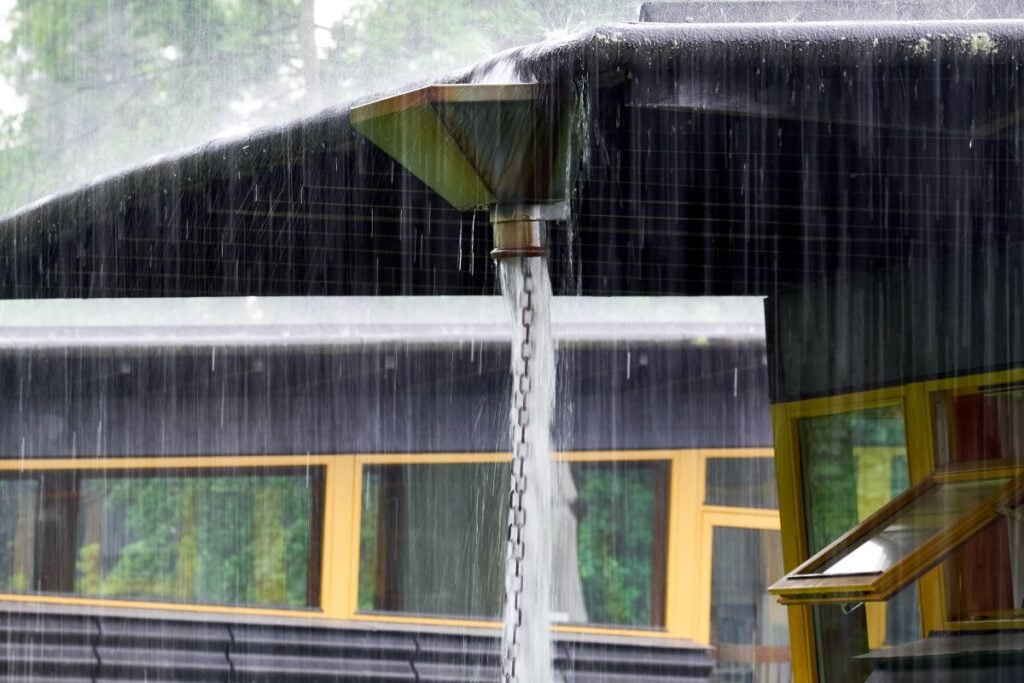
Here are the most common questions we get in regards to roof scuppers.
What is the primary function of a roof scupper?
The primary function is to provide an outlet for water drainage from flat or low-slope roofs, preventing water buildup and associated damage.
Can roof scuppers be used without roof drains?
Yes, scuppers can be used as standalone drainage outlets, especially when the design calls for external drainage, though combining both systems can enhance efficiency.
How often should roof scuppers be inspected?
Inspections at least twice a year and after major storms are recommended to ensure they are free of debris and functioning properly.
Are roof scuppers suitable for snowy climates?
Yes, but they must be designed to handle ice formation and freezing conditions to avoid blockages or damage. Property managers looking for expert drainage design and cold-weather preparation can explore professional commercial roofing services in Rock Hill, SC to ensure their systems perform reliably year-round.
What materials are best for roof scuppers?
Corrosion-resistant metals such as copper and galvanized steel are preferred for durability and weather resistance.
Enhancing Your Commercial Roof’s Drainage with Great State
Proper water drainage is pivotal in preserving the integrity and longevity of your commercial roof. Roof scuppers play a crucial role in channeling water away efficiently, reducing risks associated with ponding water. Partnering with Great State ensures expert guidance in choosing the right drainage components for your roofing needs. To learn more or schedule an assessment, contact us today. Businesses can schedule expert evaluations through trusted commercial roofing services in Fort Mill, SC to protect their property and extend roof lifespan.
Very professional. Quality work. I would highly recommend for any roofing needs.

Matt V

