

Roofing Sheet Metal Explained (5 Types & Uses for Modern Roofs)
Posted 3.31.26 | 8 Minute Read
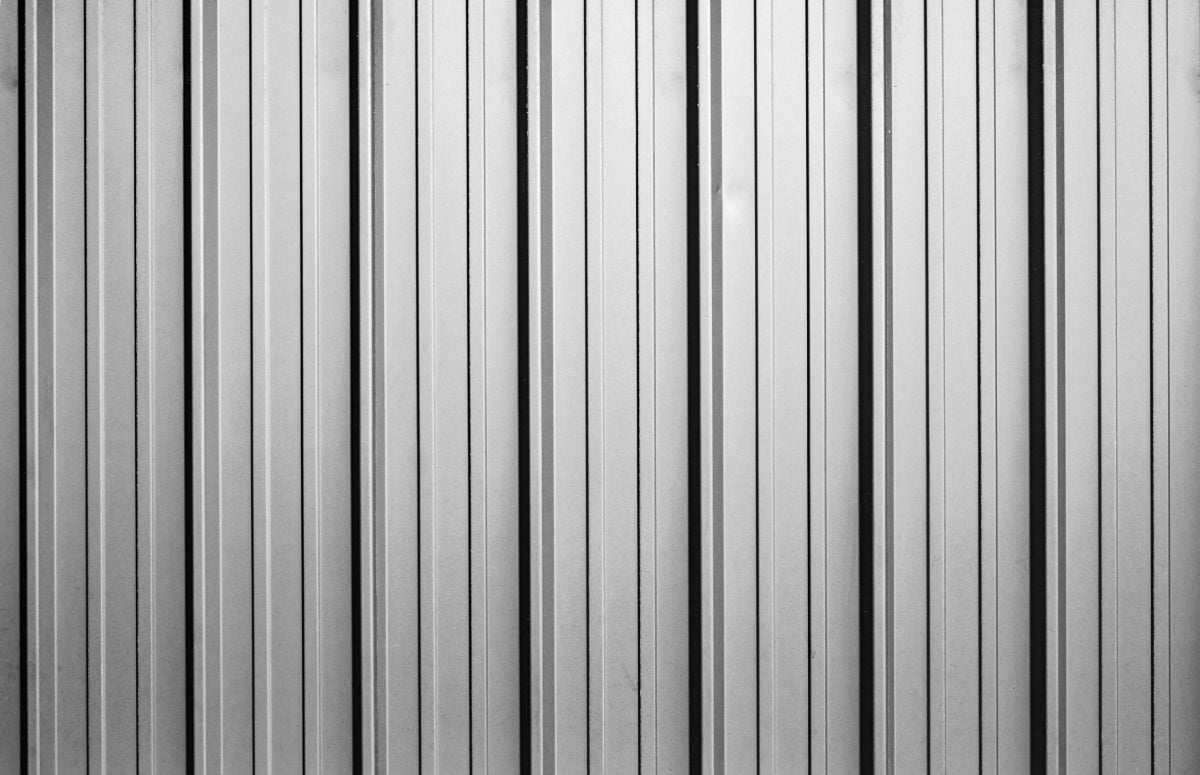
Modern roofing systems rely on more than just shingles or panels. Many of the most important protective components are made from roofing sheet metal, which helps seal roof edges, protect vulnerable areas, and guide water safely off the structure. These metal components play a critical role in durability, weather resistance, and overall roof performance. Homeowners exploring durable roofing upgrades often review modern metal roofing systems designed for long term performance to better understand how sheet metal components work together with panels and flashing to protect a home.
In this guide, you will learn:
- What roofing sheet metal is and why it matters in roofing systems
- Common types of sheet metal used in modern roofs
- Five important uses for sheet metal components in roof design
- Key considerations when choosing sheet metal materials
Why Roofing Sheet Metal Is Essential for Modern Roof Systems
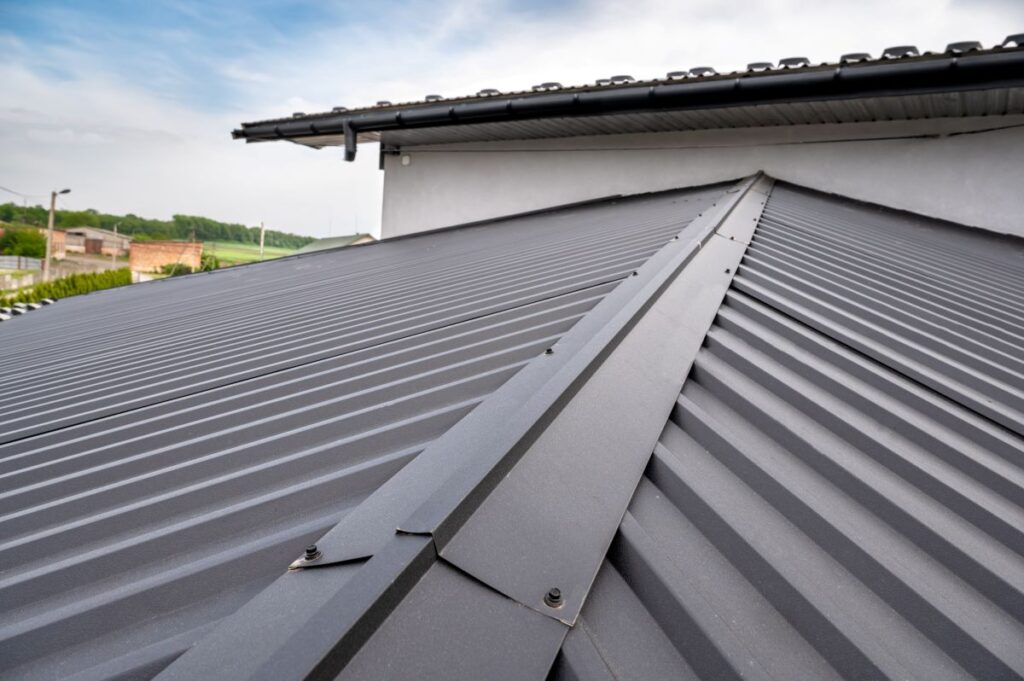
When most homeowners think about roofing, they picture shingles, tiles, or metal panels. However, many of the most important protective elements on a roof are actually sheet metal components used for flashing, trim, and transitions. These pieces seal vulnerable areas where water could otherwise enter the structure.
Roofing sheet metal is typically fabricated into custom shapes designed to protect edges, valleys, chimneys, and roof penetrations. Without these protective elements, even the strongest roofing materials could develop leaks over time.
Homes in Cornelius and surrounding areas experience seasonal storms, humidity, and temperature fluctuations that place stress on roofing systems. Properly installed sheet metal components help manage water flow and reinforce critical roof areas.
Several benefits highlight the importance of roofing sheet metal in modern roofing design.
- Water Protection: Sheet metal flashing prevents water from entering joints and roof penetrations.
- Structural Reinforcement: Metal components strengthen roof edges and seams exposed to wind and debris.
- Improved Drainage: Properly shaped metal channels guide rainwater safely away from the roof.
- Long Term Durability: Metal materials resist cracking, warping, and deterioration.
- Clean Architectural Appearance: Sheet metal trim provides a finished look that enhances curb appeal.
These advantages show why sheet metal is a fundamental part of a well designed roofing system.
5 Common Uses for Roofing Sheet Metal
Roofing sheet metal serves many purposes across different parts of the roof. These five common applications demonstrate how metal components protect and support roofing systems.
1. Flashing Around Roof Penetrations
Flashing is one of the most important uses of sheet metal in roofing. It protects areas where objects pass through the roof surface, such as chimneys, plumbing vents, and skylights.
These locations create openings that must be carefully sealed to prevent leaks.
Sheet metal flashing helps by:
- Forming watertight barriers around penetrations
- Directing water away from vulnerable areas
- Preventing moisture infiltration beneath roofing materials
Proper flashing installation is essential for maintaining roof integrity.
2. Valley Protection
Roof valleys occur where two roof slopes meet at an inward angle. These areas collect large amounts of rainwater during storms, making them particularly vulnerable to leaks.
Sheet metal valley flashing provides a channel that safely directs water down the roof.
Valley flashing helps:
- Manage heavy water flow
- Protect underlying roof decking
- Prevent water from entering beneath roofing materials
Valleys require strong protection because they handle the highest volume of runoff on the roof.
3. Edge and Drip Protection
Roof edges are exposed to wind driven rain and water runoff. Drip edge flashing made from sheet metal protects the roof deck while guiding water into the gutter system.
Drip edge components perform several functions:
- Prevent water from reaching the roof decking
- Support the edge of roofing materials
- Improve water drainage into gutters
Without proper drip edge protection, moisture could damage the roof structure over time.
4. Ridge and Roof Peak Sealing
The ridge of a roof is where two slopes meet at the highest point. Sheet metal ridge caps cover this seam and provide protection from rain and debris.
Ridge components help:
- Seal the roof peak from water intrusion
- Protect panel or shingle seams
- Improve the finished appearance of the roof
Many ridge systems also support ventilation that helps regulate attic airflow.
5. Wall and Roof Transitions
Certain parts of a roof connect directly to walls or vertical surfaces. These transitions must be carefully sealed to prevent water from entering the structure.
Sheet metal flashing is often used to protect these areas by creating overlapping layers that guide water away from the joint.
Transition flashing is commonly used for:
- Roof to wall intersections
- Dormer structures
- Skylight installations
Proper transition flashing helps maintain a watertight roofing system.
Types of Sheet Metal Used in Roofing
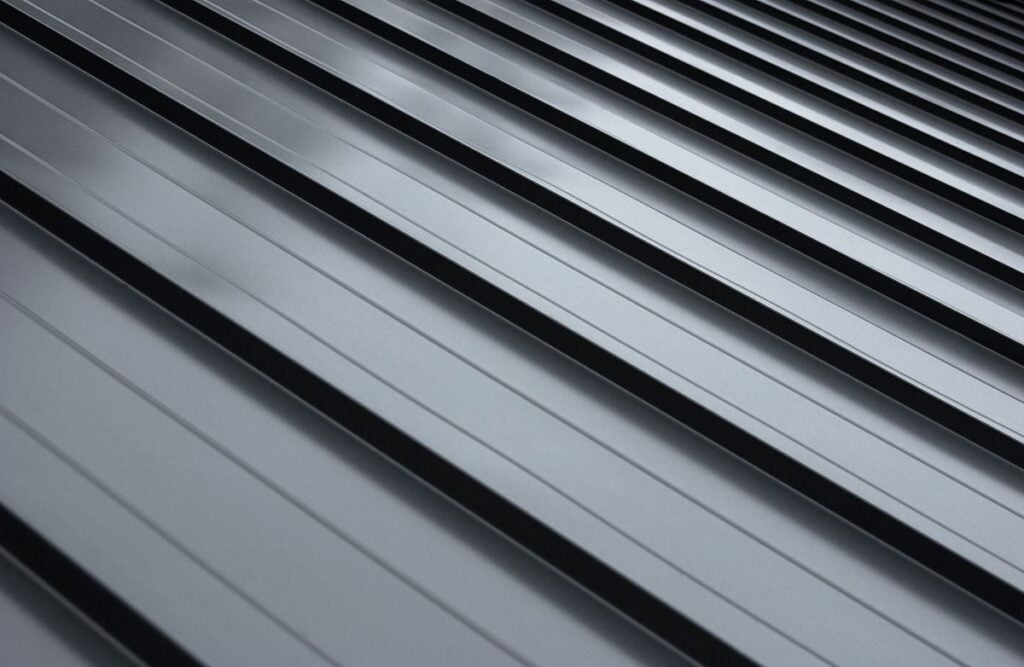
Different metals offer unique advantages depending on the roofing system, climate conditions, and architectural design. Roofing professionals select materials based on durability, corrosion resistance, and compatibility with other roofing components.
Several materials are commonly used for roofing sheet metal.
Galvanized Steel
Galvanized steel is one of the most widely used sheet metal materials in roofing applications. It is coated with zinc to improve corrosion resistance and durability.
Advantages include:
- Strong structural performance
- Excellent weather resistance
- Affordable cost compared to other metals
Galvanized steel is commonly used for flashing and trim components.
Aluminum
Aluminum sheet metal is lightweight and highly resistant to rust, making it a popular option for many roofing applications.
Key benefits include:
- Natural corrosion resistance
- Lightweight installation
- Long lasting durability
Aluminum components are often used in coastal or humid environments.
Copper
Copper is considered a premium roofing material known for its longevity and distinctive appearance. Over time, copper develops a natural patina that enhances its aesthetic appeal.
Benefits include:
- Extremely long lifespan
- High resistance to corrosion
- Unique architectural appearance
Copper sheet metal is often used in high end roofing designs.
Galvalume Steel
Galvalume steel is coated with a mixture of aluminum and zinc, providing improved corrosion resistance compared to traditional galvanized steel.
Advantages include:
- Strong weather protection
- Extended lifespan
- Excellent durability in harsh climates
Many modern metal roofing systems incorporate galvalume sheet metal components.
Comparing Roofing Sheet Metal Materials
Choosing the right sheet metal material depends on several factors, including climate, budget, and roof design.
The table below compares common sheet metal materials used in roofing.
| Sheet Metal Type | Durability | Corrosion Resistance | Typical Use |
| Galvanized Steel | High | Good | Flashing and trim |
| Aluminum | Moderate to High | Excellent | Coastal and humid environments |
| Copper | Extremely High | Excellent | Premium architectural roofing |
| Galvalume Steel | Very High | Very Good | Modern metal roofing systems |
Each material offers unique advantages, and professional roofing contractors evaluate these factors when selecting components.
Installation Considerations for Roofing Sheet Metal
Proper installation is essential for sheet metal components to perform effectively. Even high quality materials can fail if they are not installed correctly.
Several important considerations influence installation success.
Proper Overlapping of Metal Components
Sheet metal flashing is often installed in overlapping layers that direct water downward across the roof surface. This layered design ensures that water flows away from the structure rather than entering seams.
Installers carefully position flashing so each piece overlaps the next component in the correct direction.
Secure Fastening
Sheet metal components must be fastened securely to prevent movement during strong winds or storms. Proper fastening also helps maintain tight seals between roofing layers.
Fasteners used for sheet metal typically include:
- Roofing screws with sealing washers
- Specialized metal fasteners
- Hidden fastening systems for aesthetic finishes
Secure attachment ensures long term stability.
Sealing and Waterproofing
Sealants are often applied to reinforce connections between sheet metal components and other roofing materials. These sealants help prevent water infiltration at critical points.
However, sealants alone are not enough. Proper flashing design and installation remain the most important factors in waterproofing.
Professional Fabrication
Many sheet metal roofing components are custom fabricated to match the exact dimensions of the roof. Professional fabrication ensures that flashing pieces fit correctly and perform as intended.
Roofing professionals often measure and fabricate metal components specifically for each project.
Homes in Cornelius and surrounding areas benefit from professional installation that accounts for local weather conditions and building requirements.
Maintaining Roofing Sheet Metal Components
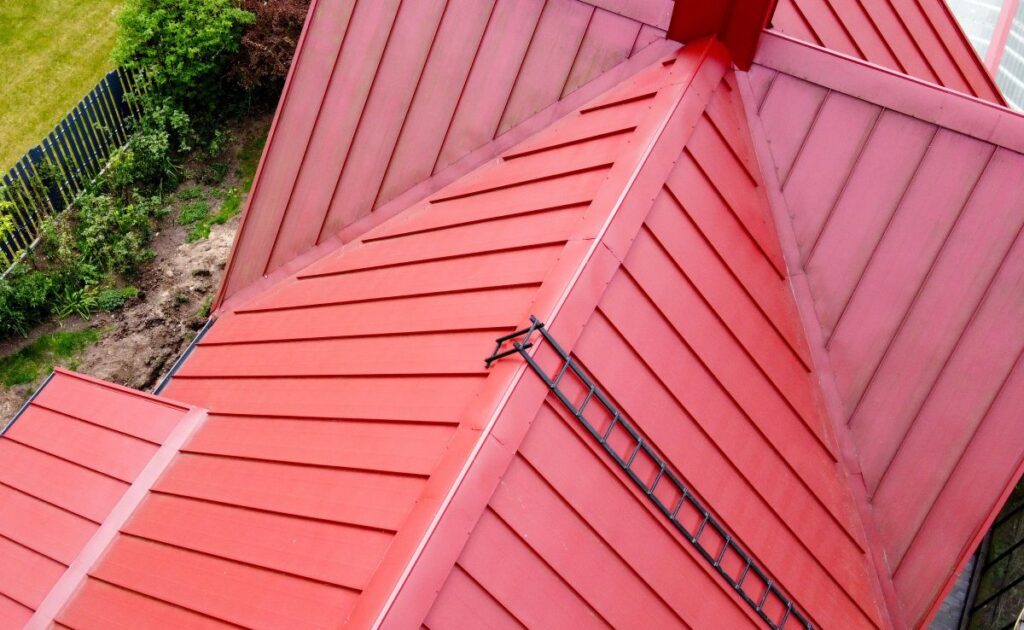
Sheet metal roofing components require relatively little maintenance, but periodic inspections help ensure they continue performing properly.
Regular inspections allow homeowners to identify potential issues early.
Maintenance practices include:
- Inspecting flashing for damage or corrosion
- Checking fasteners for looseness
- Removing debris from valleys and roof edges
- Monitoring sealant condition around flashing joints
- Scheduling professional roof inspections after severe storms
Proper maintenance helps extend the lifespan of sheet metal components and protects the entire roofing system.
Protecting Your Roof With Durable Sheet Metal Components
Roofing sheet metal plays a critical role in protecting modern roofing systems. From flashing and valleys to ridge caps and drip edges, these components seal vulnerable areas and guide water safely off the roof.
Understanding how sheet metal works within the roofing system helps homeowners appreciate the importance of proper installation and material selection. When installed correctly, sheet metal components provide durable protection that supports the performance of the entire roof.
If you want expert guidance on roofing materials or metal roofing systems, the team at Great State Roofing is ready to help. Their experienced professionals provide roofing inspections, repairs, and installations for homeowners throughout Cornelius and surrounding areas. If you would like professional advice or roofing services, contact us today to schedule a consultation with Great State Roofing and ensure your roof remains strong and protected for years to come.
Very professional. Quality work. I would highly recommend for any roofing needs.

Matt V

