

All About a Slate Roof (Pros, Cons, and Costs)
Posted 1.08.26 | 6 Minute Read
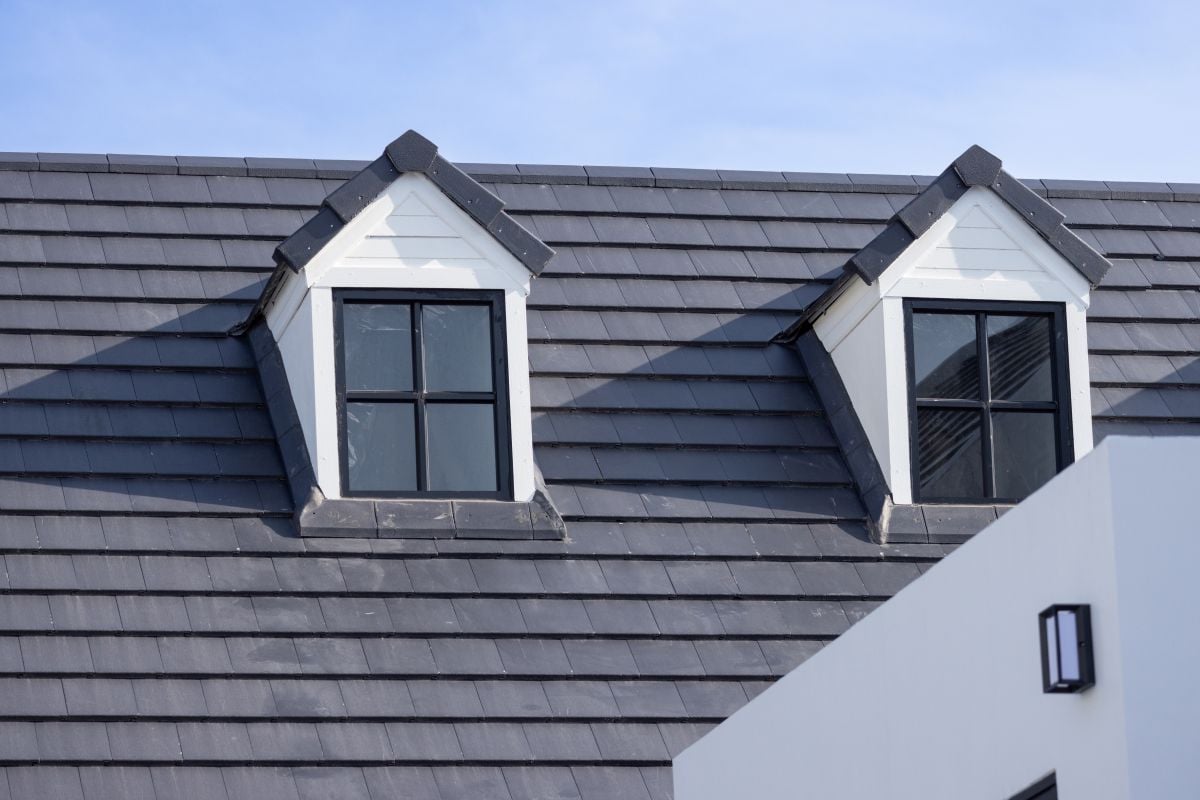
When it comes to choosing a durable and elegant roofing material, a slate roof often stands out for its timeless beauty and longevity. Slate roofing has been favored for centuries, captivating homeowners and architects alike with its natural stone appearance and impressive durability. If you are considering upgrading your roof, understanding the benefits and potential drawbacks of slate can make a significant difference. For a thorough roofing solution, explore options such as general roofing services that include slate installation and maintenance.
- The key advantages and disadvantages of slate roofing
- Typical costs associated with slate roof installation
- Maintenance tips and lifespan expectations
- How slate compares to other roofing materials
- What to consider when selecting slate for your roofing project
Understanding Why a Slate Roof Matters
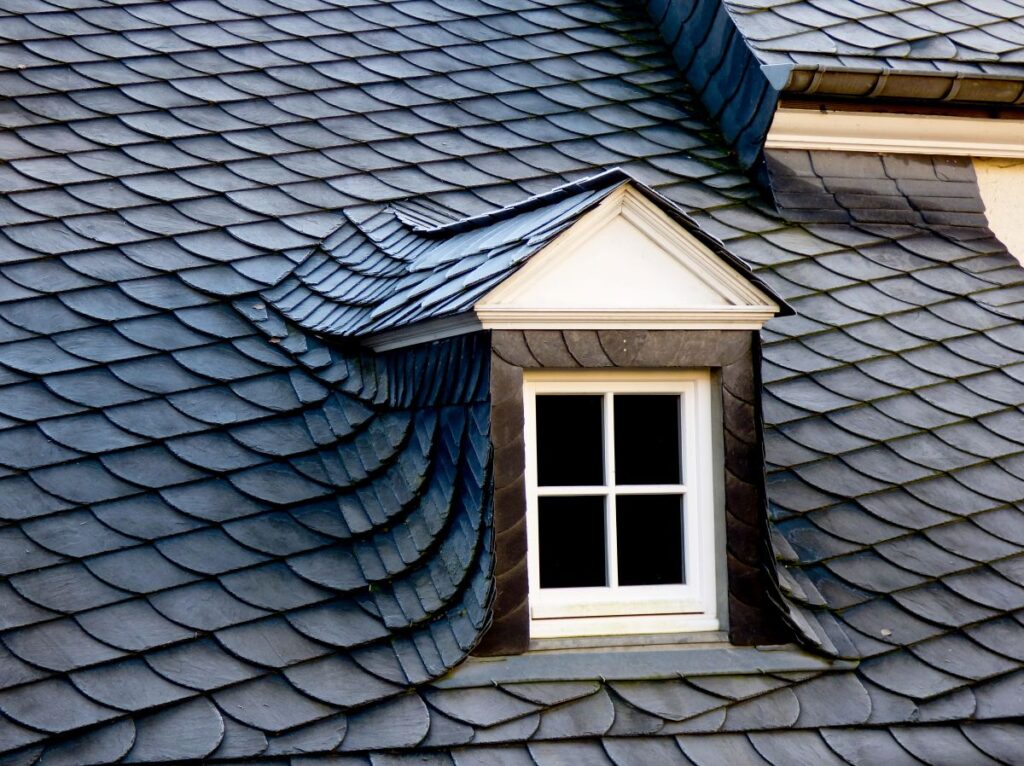
A slate roof offers more than just aesthetic appeal; it adds significant value and protection to your home. This roofing material is unique because it combines natural beauty with remarkable resilience, making it a favored choice for many homeowners who want their roofs to last for decades or even centuries. Knowing what makes slate special and when it might be the right option is key to making the best roofing decision.
- Longevity: Slate roofs can last over 100 years with proper care, far surpassing most other materials.
- Durability: Natural stone resists harsh weather conditions, fire, and rot.
- Eco-Friendly: Slate is a natural material, offering a sustainable roofing choice.
- Elevated Aesthetics: The unique texture and color variations boost curb appeal.
- High Initial Cost: Upfront installation costs are higher, which impacts budget planning.
6 Essential Things to Know About Slate Roofs
Choosing a slate roof is an investment in your home’s future. Understanding the core aspects of slate roofing helps you weigh its merits appropriately. Here are seven essential points to guide your decision.
1. Slate Roof Longevity and Durability
One of the primary reasons homeowners choose slate is its incredibly long lifespan. While typical asphalt shingles last about 20-30 years, slate roofs can last 75 to over 100 years if maintained properly. This longevity is due to the natural strength of the stone.
- Weather Resistance: Slate withstands heavy rain, snow, freezing temperatures, and high winds.
- Fire Resistance: Slate’s stone composition provides inherent fireproof qualities.
2. Aesthetic Appeal and Variety
Slate tiles offer a unique natural beauty that can enhance any home’s architectural style. Available in several colors—from gray to green, red, and purple—each slate tile has distinct veining and texture, creating an elegant and appealing roof.
3. High Installation Costs and Skilled Labor
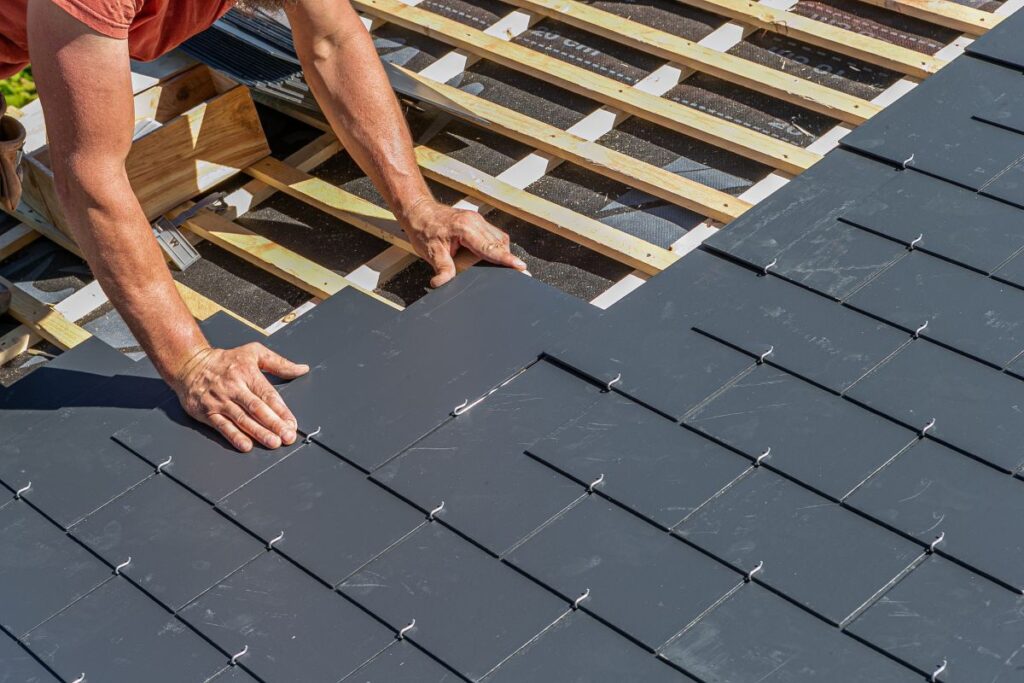
A slate roof requires skilled craftsmen for installation due to the weight and fragility of the individual tiles. This specialized labor, combined with the cost of premium materials, means slate roofs have a higher initial price point.
- Weight Considerations: Slate is heavier than many other roofing materials, possibly necessitating extra structural support.
- Labor Intensity: Skilled installers ensure the roof’s durability and aesthetic are properly achieved.
4. Maintenance Requirements
While slate roofs are low-maintenance compared to alternatives, they are not maintenance-free. Periodic inspections are necessary to replace any chipped or broken tiles and to check the flashing and underlayment.
5. Environmental Impact and Sustainability
Slate is one of the most environmentally friendly roofing materials available. It is natural, recyclable, and does not emit chemicals or pollutants. The long life of a slate roof also means less frequent replacement, reducing waste.
6. Typical Slate Roof Costs
The cost of installing a slate roof varies based on location, roof size, and slate type but generally ranges between $15 and $30 per square foot. While more expensive upfront, the durability often compensates for this over time.
Exploring Slate Roof Maintenance and Lifespan
Understanding how to maintain your slate roof preserves its function and beauty for generations. While slate is renowned for durability, vigilance ensures it performs optimally through various weather conditions.
Regular Inspections
Inspect your roof at least twice a year, looking for broken or missing tiles, as well as any signs of moss or algae growth. Professional inspections every few years can detect issues that are not apparent from the ground.
Cleaning and Moss Prevention
Removing debris and moss helps prevent water retention that can undermine tiles and roof components. Careful cleaning using gentle methods avoids damaging the stone.
Repairing Damaged Tiles
Promptly replacing broken or slipped tiles helps maintain water resistance and structural integrity. Use experienced professionals to ensure the repairs match the existing roof.
Gutter and Flashing Maintenance
Keeping gutters clear and flashing intact prevents water infiltration and damage to the underlying roof structure.
Expected Lifespan
With attentive care, a slate roof can last over a century, significantly longer than typical roofing materials such as asphalt, wood, or metal.
Comparing Slate Roofs to Other Roofing Materials
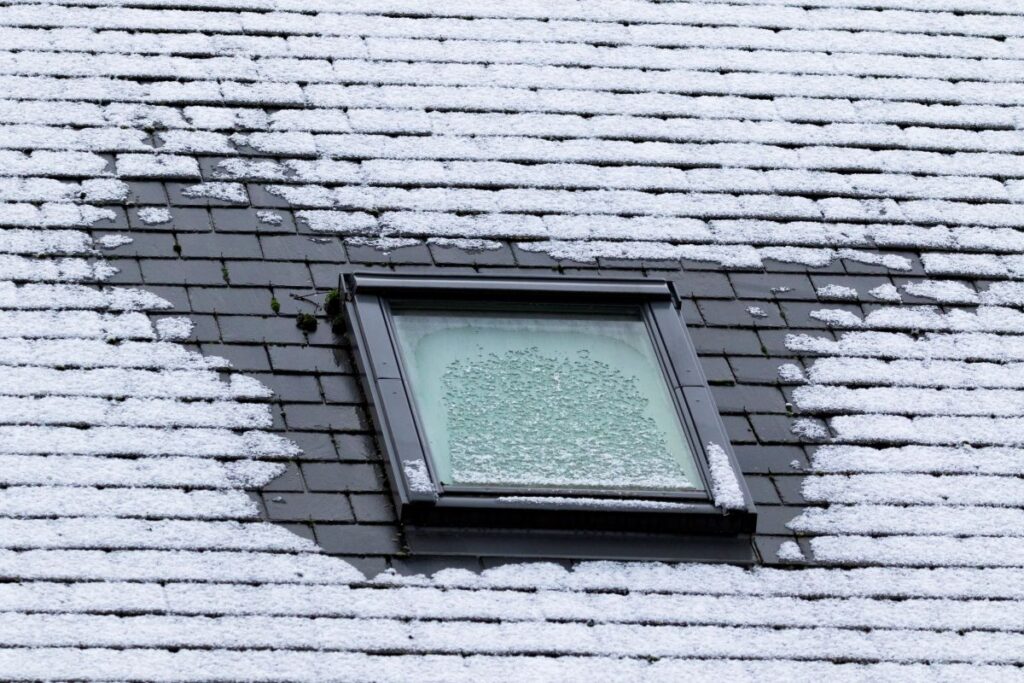
Choosing the right roofing material depends on factors like budget, climate, and home aesthetic. Comparing slate to common roofing options highlights why it remains a top choice for many homeowners.
| Material | Average Lifespan | Cost per sq. ft. | Durability & Maintenance | Aesthetic Appeal |
| Slate | 75-100+ years | $15 – $30 | Excellent; requires professional maintenance | High; natural texture and variety |
| Asphalt Shingles | 20-30 years | $3 – $7 | Moderate; frequent replacement | Moderate; wide color options |
| Metal Roofing | 40-70 years | $5 – $12 | High; low maintenance, dent-prone | Varied; modern to traditional looks |
| Wood Shingles | 25-40 years | $6 – $10 | Moderate; requires treatment | Natural, rustic appearance |
This comparison underscores slate’s exceptional longevity and beauty, despite its higher initial cost and labor requirements. For homeowners seeking a roof that marries longevity and elegance, slate presents a worthwhile option.
Frequently Asked Questions About Slate Roofs
- Is a slate roof suitable for all home types? Slate works best on homes with strong structural supports due to its weight but suits many architectural styles.
- How heavy is a slate roof compared to asphalt? Slate is about 4-5 times heavier, which might require roof reinforcement.
- What is the average installation time? Installation can take longer than other materials because of the tile handling and skilled labor required.
- Can damaged slate tiles be replaced individually? Yes, individual tiles can be replaced, making repairs more feasible than total roof replacement.
- Are there different grades of slate? Yes, slate varies in quality, with higher grades offering better durability and uniformity.
Investing in a Slate Roof for Lasting Value
Choosing a slate roof is a commitment to quality, durability, and timeless beauty that can enhance the value of your home for generations. While the upfront investment is higher than other options, the longevity and minimal maintenance needs often result in long-term savings and aesthetic satisfaction. If you are ready to explore how a slate roof can transform your home, Great State offers expert guidance and exceptional craftsmanship to help you throughout the process. To start your roofing project with confidence, contact us today and let Great State assist you in selecting the perfect slate roofing solution.
Very professional. Quality work. I would highly recommend for any roofing needs.

Matt V

