

6 Step Soffit Repair Guide for DIY Homeowners
Posted 1.13.26 | 7 Minute Read
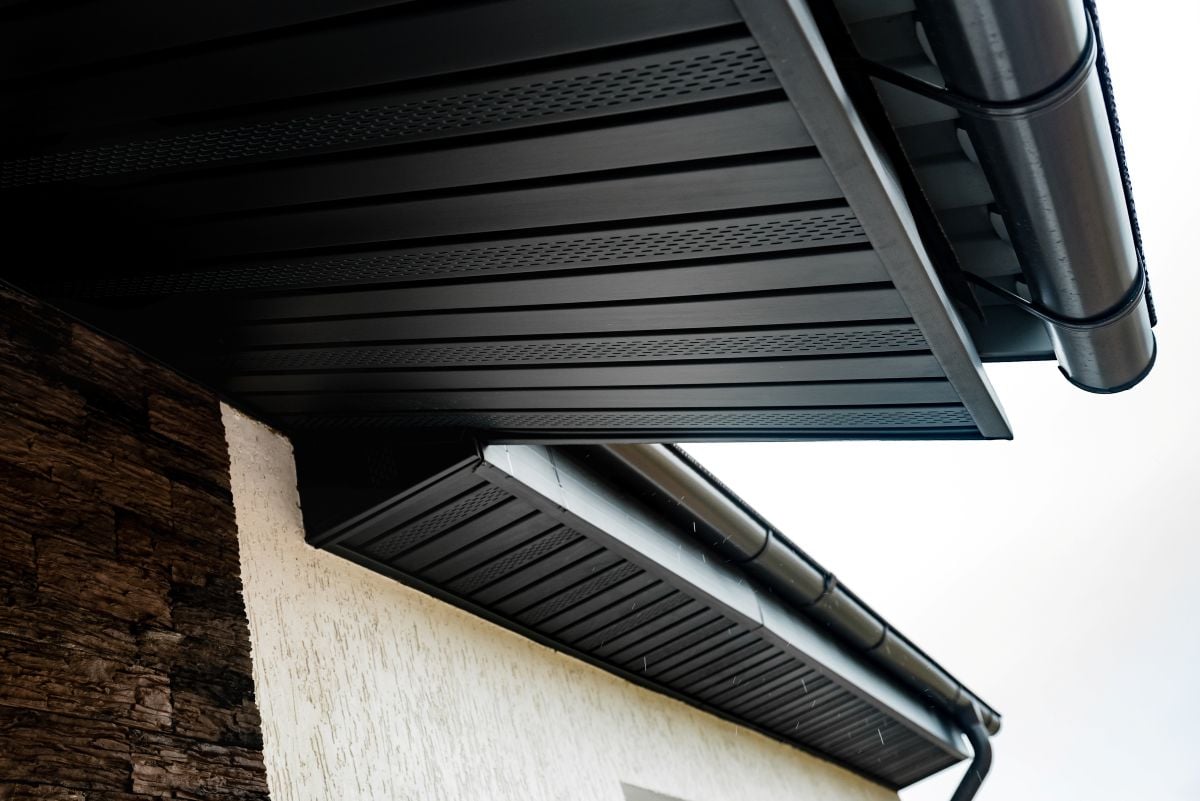
Maintaining your home’s exterior is essential for preserving its structural integrity and curb appeal. One often overlooked yet vital component is the soffit repair. The soffit, located beneath the eaves of your roof, plays a critical role in ventilation and protecting your home from weather-related damage. Addressing soffit issues early can prevent costly repairs down the road. If you need professional guidance or specialized services, consider consulting experts in general roofing to ensure your home remains safe and sound.
- Understand the importance and function of soffits in your home’s roofing system.
- Learn step-by-step methods for assessing and repairing damaged soffits.
- Discover materials and tools necessary for successful soffit repairs.
- Explore preventive maintenance tips to extend the lifespan of your soffits.
- Know when to seek professional help versus handling repairs on your own.
Why Soffit Repair Matters for Your Home
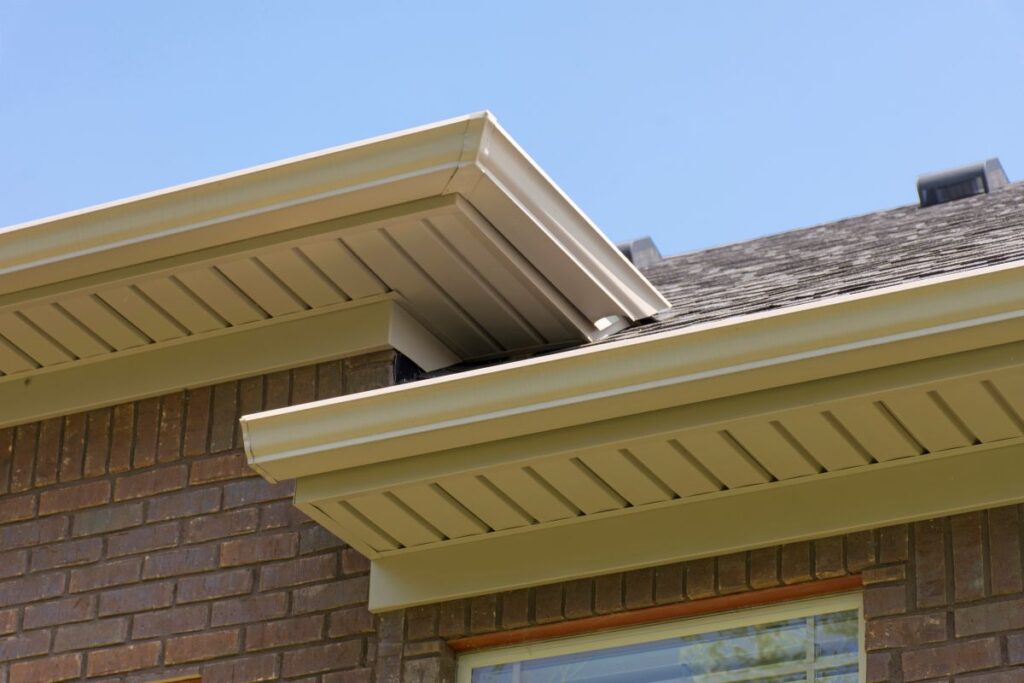
The soffit is a crucial element in your home’s roofing system because it aids in ventilation, helps control moisture, and protects the underlying roof structure from environmental damage. Neglecting soffit maintenance may lead to problems such as mold growth, wood rot, and pest infestations, which can compromise your home’s safety and value.
- Ventilation Benefits: Soffits help circulate air through your attic, reducing excess heat and moisture buildup.
- Moisture Protection: Properly functioning soffits prevent water infiltration that can damage walls and insulation.
- Structural Preservation: Maintaining soffits helps avoid costly repairs to roofing and siding caused by rot or insect damage.
- Curb Appeal: Well-maintained soffits keep your home looking neat and properly finished.
- Energy Efficiency: Adequate attic ventilation reduces strain on your HVAC system, potentially lowering energy costs.
Understanding how these elements function together is essential, and this guide on rake board vs fascia explains how each piece supports your roof’s structure and long-term durability.
6 Essential Steps to Complete Soffit Repair Successfully
For homeowners who enjoy tackling projects themselves, repairing the soffit can be straightforward if you follow the right steps. Below are six essential procedures to guide your soffit repair safely and effectively. Companies can explore reliable commercial roofing services in Rock Hill, SC for experienced assistance with soffit and roofing system repairs.
1. Inspect the Soffit Thoroughly
Begin by carefully examining the soffit area to identify damage such as cracks, holes, rot, or warping. Use a ladder safely and note any areas where paint is peeling or where dainty insects or rodents have made their way inside.
- Inspection Tips: Look for discoloration, softness in wood, and signs of mold.
- Safety First: Always stabilize your ladder on level ground and consider a helper for added safety.
2. Remove Damaged Soffit Sections
After identifying damaged areas, carefully remove the compromised soffit panels or boards. Use a pry bar and hammer to avoid unnecessarily damaging surrounding material. Dispose of materials safely, especially if mold or pests are involved.
- Tools Needed: Hammer, pry bar, utility knife.
- Disposal Advice: Seal moldy or pest-infested debris in plastic bags for safe removal.
3. Measure and Cut Replacement Pieces
Accurate measurement is crucial for a neat repair. Measure the area carefully and use the appropriate material such as vinyl, aluminum, or wood soffit panels for replacement. Cut your materials precisely to fit the removed sections.
- Material Selection: Match the type and style of your existing soffit for the best aesthetic and durability.
- Cutting Tools: Use tin snips for metal or saws for wood as appropriate.
4. Install New Soffit Panels
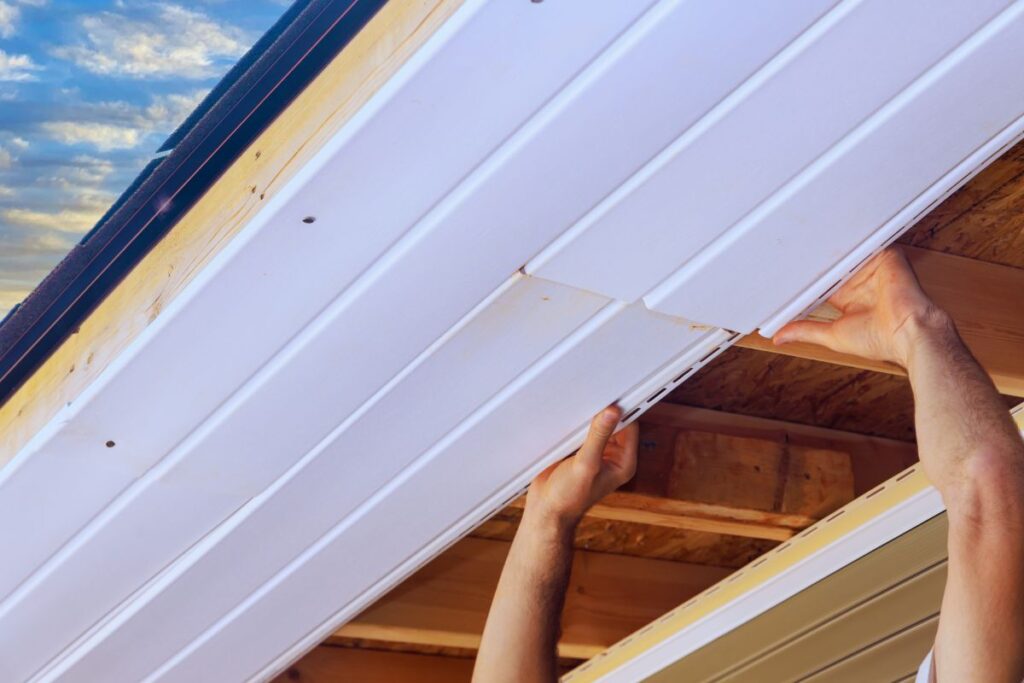
Securely install the new panels using siding nails or screws designed for exterior use. Ensure that there is proper spacing for ventilation if vents are integrated into the soffit design.
- Fastening: Use corrosion-resistant fasteners to prevent future rust or damage.
- Ventilation Consideration: Do not seal ventilation areas to maintain airflow.
5. Seal and Paint the Repaired Area
Apply exterior-grade caulk along seams and edges to protect against water intrusion. Once sealed, apply primer and paint that matches your home’s trim or siding for a seamless look.
- Caulking: Choose paintable, weatherproof caulk for the best results.
- Painting: Use high-quality exterior paint designed to withstand weather extremes.
6. Final Inspection and Maintenance Planning
After repairs are complete, conduct a final inspection to confirm that everything is secure and well-finished. Plan regular inspections and cleanings to keep your soffits in good condition moving forward.
- Routine Checks: Inspect soffits at least twice a year, focusing on early signs of damage.
- Cleaning Tips: Remove debris and dirt build-up gently with a soft brush or power washer on a low setting.
Businesses can rely on expert commercial roofing services in Fort Mill, SC to keep roofing systems and exterior components performing at their best.
Common Materials and Tools Used in Soffit Repair
Selecting the right materials and tools ensures a durable soffit repair that withstands exposure to the elements. Depending on the age and style of your home, materials may vary in appearance, cost, and maintenance needs.
- Vinyl Soffit: Lightweight, resistant to rot and insects, and easy to install. Requires minimal maintenance.
- Aluminum Soffit: Durable and fire-resistant but may dent more easily. Often used where metal roofing is present.
- Wood Soffit: Traditional and visually appealing but vulnerable to rot and insect damage without regular upkeep.
- Fasteners: Use galvanized or stainless steel nails and screws to prevent rust.
- Tools: Ladder, hammer, pry bar, tin snips or saw, measuring tape, caulking gun, and paint supplies.
Preventive Tips to Extend the Life of Your Soffits
Prevention is the key to avoiding frequent and costly soffit repairs. Regular maintenance keeps your home protected and reduces the risk of major issues arising from unnoticed damage. Learning about positive drainage can help homeowners understand how proper water flow protects not just soffits, but the entire roofing system from premature deterioration.
- Maintain Attic Ventilation: Keep vents clear of debris and ensure proper airflow to prevent moisture buildup.
- Inspect and Clean Regularly: Catch minor issues early by checking soffits along with gutters twice a year.
- Trim Nearby Trees: Limbs that rub against your roof or eaves can damage soffits, so keep trees trimmed back.
- Protect Against Pests: Seal cracks and use pest deterrents to keep insects and rodents at bay.
- Address Water Issues Promptly: Keep gutters clean and ensure downspouts direct water away from your home’s foundation.
FAQ: Answers to Your Most Common Soffit Repair Questions
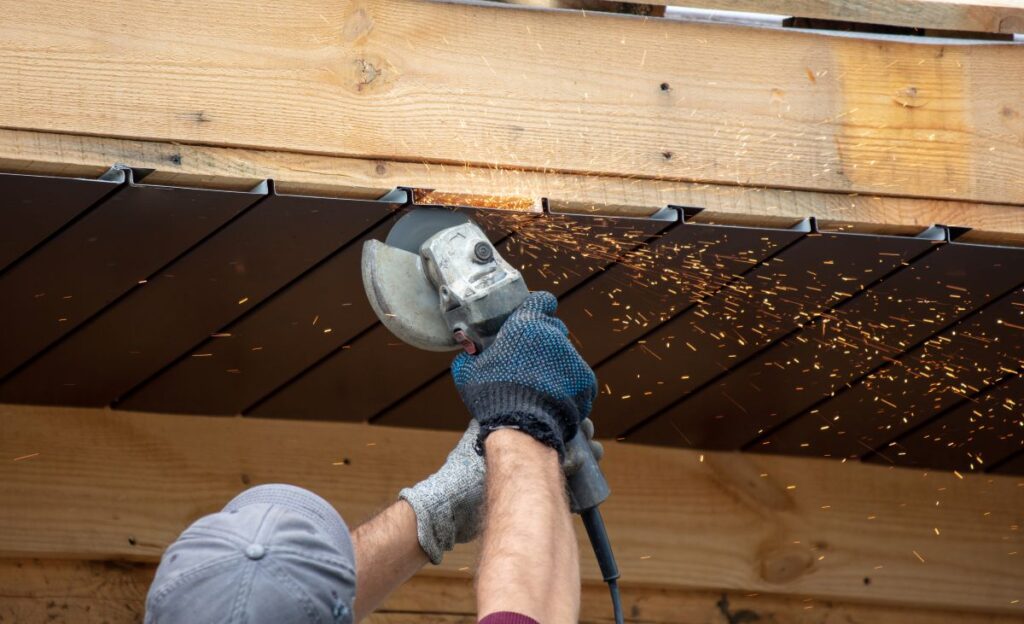
Understanding soffit repair fully helps homeowners make informed decisions about DIY projects and when to seek professional assistance. Here are answers to frequently asked questions.
What signs indicate that my soffit needs repair?
Look for visible damage such as cracks, sagging, peeling paint, mold growth, or evidence of pest activity.
Can I repair soffits myself, or should I hire a professional?
Small repairs can often be handled by confident DIY homeowners, but extensive damage involving structural issues or pest infestations may require professional services.
How much does soffit repair typically cost?
Costs vary widely based on the material, extent of damage, and labor if hired. DIY repairs reduce costs to tools and materials but require your time and skill.
How often should I inspect my soffits?
Conduct inspections at least twice per year, ideally during spring and fall, to catch problems before they escalate.
What materials are best for long-lasting soffits?
Vinyl and aluminum soffits offer durability and low maintenance, while wood provides aesthetic value but needs regular upkeep.
Maintain Your Home’s Integrity with Expert Soffit Repair Assistance
Protecting your home’s exterior starts with proper care of components like the soffit. Whether you’re comfortable handling small soffit repairs yourself or looking for professional help, Great State is here to support your home improvement projects. To learn more about our reliable roofing solutions, contact us today for expert guidance tailored to your home’s unique needs in roofing and soffit care. Property owners seeking dependable support can explore trusted commercial roofing services in Charlotte, NC for comprehensive solutions that protect their roofline and exterior components.



Very professional. Quality work. I would highly recommend for any roofing needs.

Matt V

