

What Is Fascia on a House? (5 Functions You Should Know)
Posted 2.17.26 | 8 Minute Read
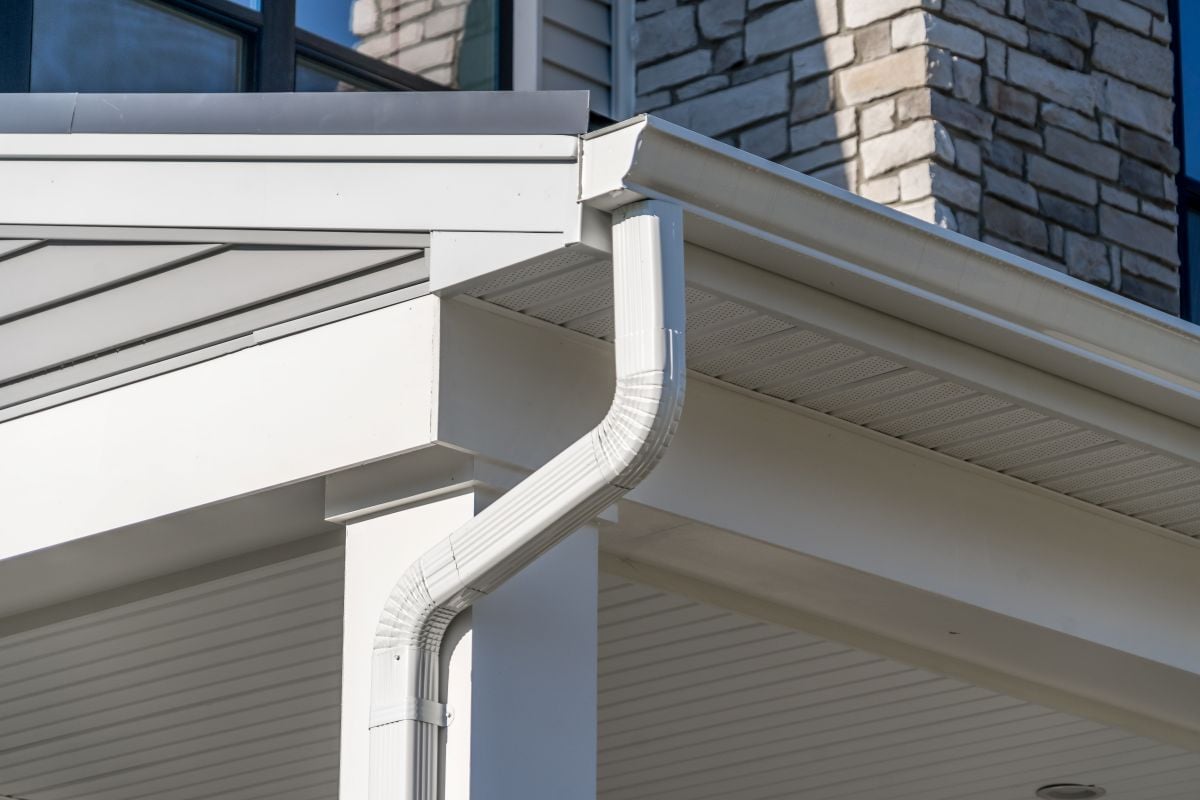
Homeowners often focus on shingles and gutters—but knowing what is fascia on a house is just as important. This hidden architectural detail plays a critical role in protecting your roof, supporting your gutter system, and completing the exterior finish of your home. If you’re planning roof repairs or upgrades in Weddington and surrounding areas, understanding fascia is key to making smart maintenance choices.
For those planning to update their home’s exterior, you can learn how fascia integrates into overall roof performance by exploring this helpful page.
- Learn what fascia is and where it’s located on your home
- Understand how fascia supports your roof and gutter systems
- Discover the main types of fascia boards used in modern homes
- Find out when fascia repair or replacement is necessary
Why Fascia Matters for Every Homeowner
The fascia board might seem like a minor detail, but it has a huge impact on the long-term durability of your roofing system. It connects your roof, siding, and gutters—making it one of the most important transition points on your home.
- Gutter Support: Fascia boards anchor your gutters, allowing them to collect and channel water safely away from your home’s foundation.
- Roof Edge Protection: Fascia seals the edge of your roof and prevents moisture, pests, and debris from entering the attic or behind the soffit.
- Ventilation Integration: In many modern roof systems, fascia is installed alongside vented soffits to promote healthy attic airflow.
- Curb Appeal and Clean Lines: A well-maintained fascia board adds a clean, finished look to your roof’s edge and boosts visual appeal.
- Barrier Against Damage: Fascia helps prevent wind-driven rain from entering your roof system, reducing the risk of wood rot, mold, or structural damage.
For homes in Weddington and surrounding areas—where humidity and summer storms are frequent—fascia boards are a frontline defense you don’t want to overlook.
5 Key Functions of Fascia Boards on Your House
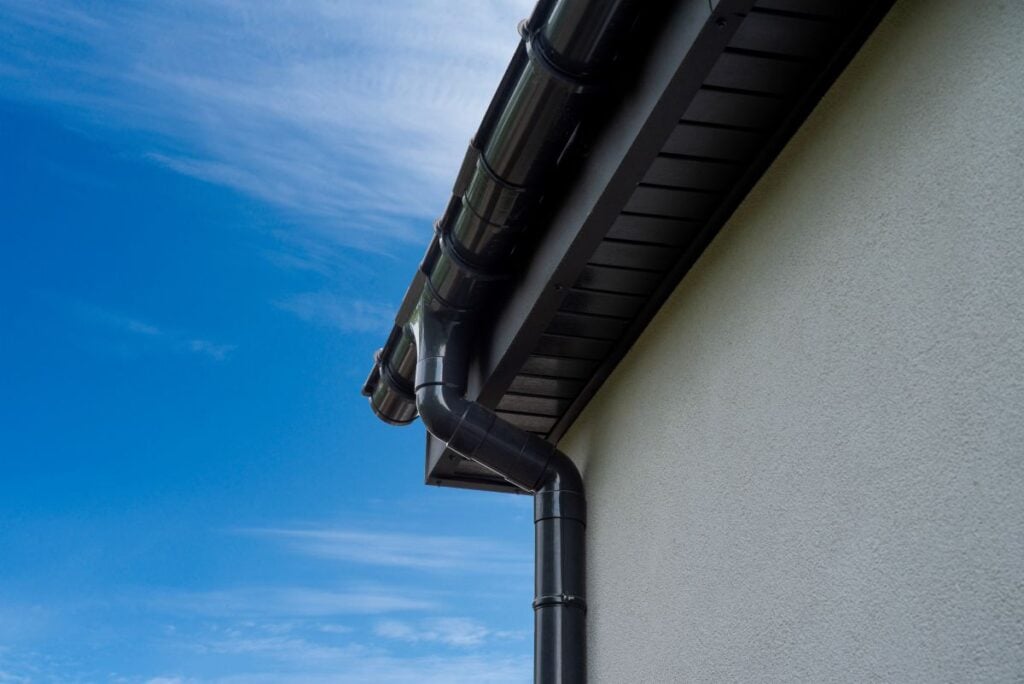
Let’s break down exactly how fascia works and why it plays such a critical role in keeping your home protected and looking its best.
1. Supporting the Gutter System
Gutters must be securely fastened to the house, and fascia provides the sturdy backing needed to hold them in place.
- Without solid fascia, gutters can sag or detach during heavy rain
- Seamless gutters typically screw directly into the fascia board
- A rotted fascia can compromise the entire drainage system
Fascia must be made from rot-resistant or treated material to withstand the constant moisture from rainfall and runoff.
2. Sealing the Roof Edge
The fascia board is located just below the edge of the roof, attached to the ends of the rafters.
- It acts as a barrier between the outside elements and your roof deck
- It helps secure drip edge flashing, which directs water away from the eaves
- Prevents wind-blown debris from entering attic spaces
This is especially important in Weddington and surrounding areas, where high winds can drive rain and debris upward beneath the roof line.
3. Connecting to the Soffit and Ventilation
Fascia connects to the soffit—the part of the roof overhang that covers the underside of the eaves.
- Together, fascia and soffit close off the attic from pests like birds and squirrels
- Vented soffits near the fascia promote continuous airflow into the attic
- Proper attic ventilation helps prevent condensation and mold growth
Your fascia board must align properly with soffit materials for efficient and healthy roof ventilation.
4. Enhancing the Exterior Appearance
Fascia contributes to the smooth lines and finished look of your home’s roof edge.
- It hides the rough ends of roof rafters or trusses
- Available in wood, vinyl, aluminum, or composite materials for style and durability
- Often painted or wrapped to match the trim and exterior color scheme
Fascia is often one of the first things people notice when viewing your home from the street.
5. Acting as a First Line of Defense
Fascia keeps weather elements out of vulnerable areas in your home’s structure.
- It protects rafter tails and the roof deck from rain, snow, and UV exposure
- Helps maintain the structural integrity of your roof over time
- Reinforces edge sealing when combined with drip edge and flashing
Ignoring your fascia can lead to costly roof repairs that could have been avoided with routine inspections.
Common Types of Fascia Materials
Choosing the right fascia material impacts both performance and maintenance requirements. Here are the most common options available for residential homes.
Wood Fascia
- Traditional option made from pine, fir, or cedar
- Must be sealed or painted regularly to resist rot and insects
- Often found on older homes in Weddington and surrounding areas
PVC or Vinyl Fascia
- Low-maintenance and moisture-resistant
- Won’t rot, peel, or warp like wood
- Can be color-matched to siding or trim
Aluminum Fascia
- Lightweight and rust-resistant
- Often used to wrap wood fascia for added protection
- Common in regions with heavy rainfall
Composite Fascia
- Made from a blend of recycled wood and synthetic materials
- Extremely durable and resistant to moisture, insects, and decay
- Requires less maintenance than wood but costs more upfront
Your roofing contractor can help you decide which material is best for your budget, climate, and exterior design.
Signs Your Fascia May Need Repair or Replacement
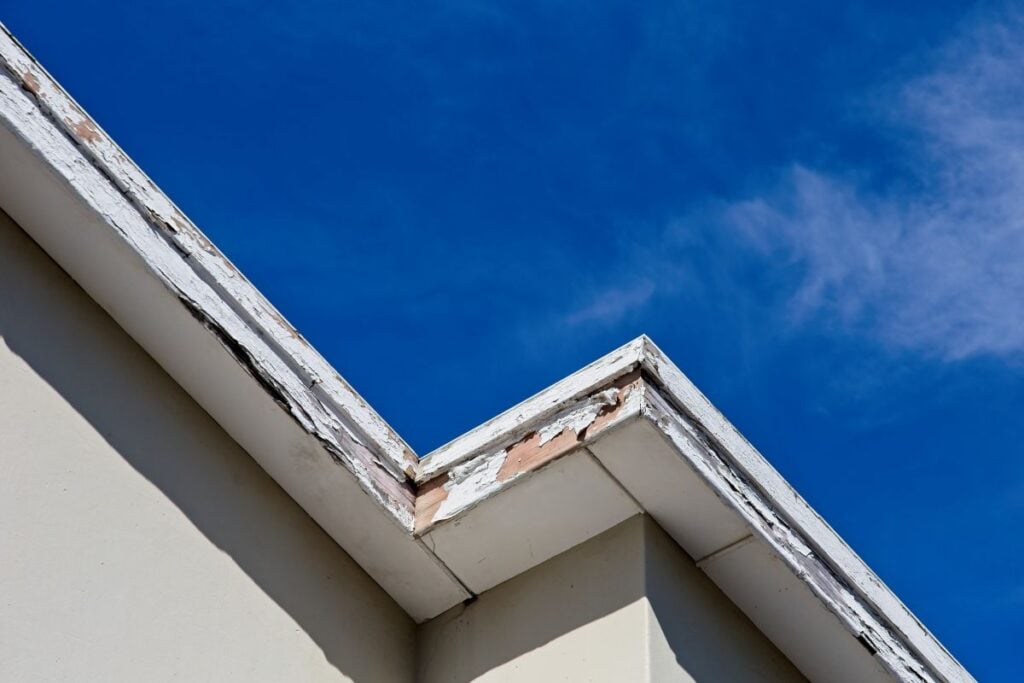
Fascia doesn’t last forever—and since it’s exposed to moisture and weather year-round, it’s important to know when to act.
Visible Rot or Mold
- Black spots, soft wood, or crumbling edges indicate rot
- Often caused by clogged gutters or roof leaks
Sagging or Detaching Gutters
- If gutters are pulling away from the roofline, the fascia underneath may be damaged
- Look for gaps between the gutter brackets and fascia board
Peeling Paint or Bubbling Finish
- Paint that doesn’t adhere may signal water intrusion behind the board
- Moisture buildup can affect both wood and metal fascia
Insect or Animal Damage
- Holes or gnaw marks may suggest squirrels or birds have entered
- Look for droppings, nesting materials, or chew marks along the eaves
If you live in Weddington and surrounding areas and notice any of these issues, it’s a smart idea to schedule a roof and fascia inspection.
Fascia vs Soffit: What’s the Difference?
While fascia and soffit are often mentioned together, they serve different roles in your roofing system.
| Feature | Fascia | Soffit |
| Location | Runs horizontally along the roof edge, attached to rafter tails | Located beneath the roof overhang, between fascia and exterior wall |
| Primary Purpose | Supports gutters, seals roof edge, adds curb appeal | Allows ventilation into the attic, blocks pests |
| Materials | Wood, vinyl, aluminum, composite | Vinyl, aluminum, perforated metal |
| Visibility | Highly visible from street view | Mostly visible when standing under eaves |
Both components work together to protect your roof structure and improve ventilation, but each one has a distinct function.
Fascia Maintenance Tips for Homeowners
Regular care and seasonal checks can extend the life of your fascia and prevent costly damage.
- Clean Gutters Regularly: Clogged gutters cause water overflow that damages fascia
- Check After Storms: Inspect for lifted shingles or visible board damage after high winds or heavy rain
- Repaint or Reseal Every Few Years: Especially for wood fascia, which is more prone to moisture damage
- Trim Nearby Trees: Overhanging branches can drip water or create pathways for pests
- Inspect During Roof Maintenance: Include fascia checks in your routine roof inspections
Homeowners in Weddington and surrounding areas should plan to inspect fascia at least twice a year—once in spring and again before winter.
Why Professional Fascia Installation Matters
Installing or replacing fascia might seem straightforward, but it requires precision to ensure a watertight seal and proper gutter alignment. Here’s why working with a professional is worth it:
- Proper Sizing and Pitch Matching: Ensures fascia lines up correctly with the roof slope and soffit
- Compatible Materials: Avoids using incompatible materials that expand at different rates
- Seamless Integration: Professionals install fascia with flashing, drip edge, and gutter alignment in mind
- Warranty Protection: Many roofing warranties require professional installation for full coverage
Whether you’re doing a full roof replacement or just updating your trim, properly installed fascia helps protect your investment and keeps your home looking sharp.
Know What Protects Your Roof from the Edge In
So, what is fascia on a house? It’s much more than a decorative trim piece. Fascia boards play a critical role in gutter support, roof edge sealing, attic ventilation, and curb appeal. When installed correctly and maintained well, they protect the structural integrity of your home while adding a clean, finished look to your roofline.
If you’re a homeowner in Weddington or surrounding areas and suspect fascia damage—or if you’re planning a full roof upgrade—contact us today to schedule a roof and trim evaluation. At Great State Roofing, we’re here to ensure every inch of your home’s exterior works together for long-term performance and protection.
Very professional. Quality work. I would highly recommend for any roofing needs.

Matt V

