

DIY Roof Repairs (Fix Common Roof Problems Fast)
Posted 12.25.25 | 8 Minute Read
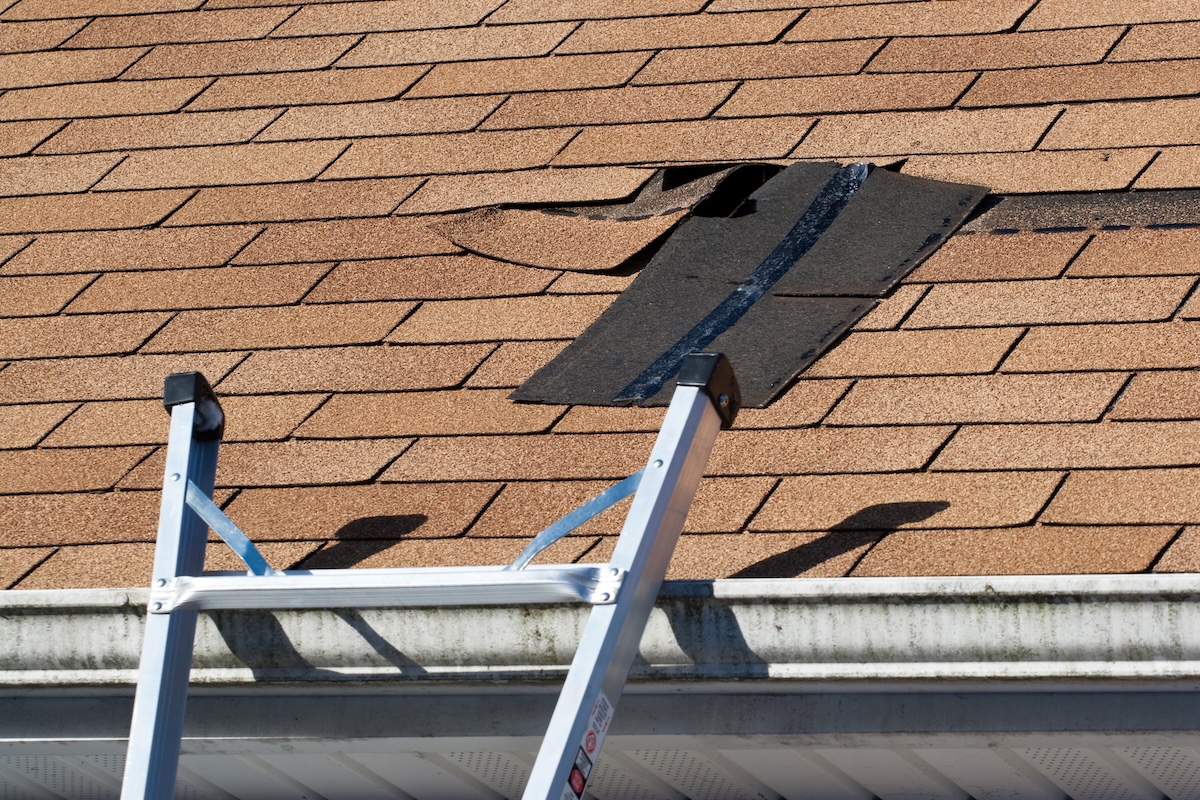
Roof issues never seem to happen at a convenient time. A sudden leak, missing shingles, or damaged flashing can cause stress and costly water damage if not handled quickly. For many homeowners, understanding how to approach diy roof repairs can make the difference between a small weekend project and a major restoration. Even if you plan to hire professionals, knowing the basics helps you recognize early warning signs and prevent further damage.
In this guide, you’ll learn:
- Which roof problems homeowners can safely repair themselves
- Common tools and materials you’ll need for small repairs
- Step-by-step methods for fixing typical roofing issues
- Mistakes to avoid when attempting DIY roof work
- When it’s time to call in a professional for help
Why Understanding Roof Repairs Matters

Even small roofing problems can lead to expensive repairs if left untreated. A missing shingle might seem minor today, but one heavy rain could cause a leak, structural damage, or even mold growth in your attic. Whether you’re maintaining your home in Rock Hill and surrounding areas or preparing for a future replacement, understanding the basics of DIY roof repairs helps you act fast and save money.
- Early Detection Prevents Damage: Addressing small issues like cracked shingles or nail pops early prevents moisture from seeping into your home.
- Cost Savings: DIY fixes for minor problems can save hundreds or even thousands in labor costs.
- Homeowner Confidence: Learning how to assess and manage roof damage gives you more control over home maintenance.
- Better Contractor Communication: Understanding basic roofing terms helps you make informed decisions when hiring professionals.
- Improved Home Value: Regular maintenance protects curb appeal and structural integrity, keeping your property market-ready.
7 DIY Roof Repairs to Fix Common Problems Fast
If you’re comfortable working safely at heights and your roof is in good condition, you can handle some minor repairs yourself. Here’s how to tackle seven of the most common roofing issues quickly and correctly.
1. Replace Missing or Damaged Shingles
Wind and age can loosen shingles, leaving your roof vulnerable to leaks. Replacing them promptly is one of the simplest DIY roof repairs.
Steps:
- Use a pry bar to gently lift the damaged shingle and remove nails underneath.
- Slide a new shingle into place, ensuring it aligns with existing ones.
- Nail it down with roofing nails just below the adhesive strip.
- Apply a dab of roofing sealant under the edges to secure it.
Tip: Replace shingles on mild, dry days to ensure proper adhesion and avoid slipping on wet surfaces.
2. Reseal Roof Flashing
Flashing protects areas where your roof meets walls, chimneys, or vents. Over time, flashing can loosen or rust, allowing water to seep in.
To repair flashing:
- Clean the area around the flashing.
- Apply a high-quality roofing sealant under the edges.
- Press the flashing back into place and secure it with roofing nails.
- Seal the top with a waterproof caulk to prevent future leaks.
If the flashing is severely corroded or cracked, replacing it may be necessary.
3. Repair Nail Pops
As your roof expands and contracts with temperature changes, nails can back out of the decking—creating small gaps that allow water to penetrate.
Fixing nail pops:
- Use a hammer to remove the raised nail.
- Insert a new nail about an inch above the old hole.
- Seal both holes with roofing cement.
- Press the shingle down to ensure a tight fit.
This small repair can extend the life of your roof and prevent leaks from forming.
4. Patch Small Roof Leaks
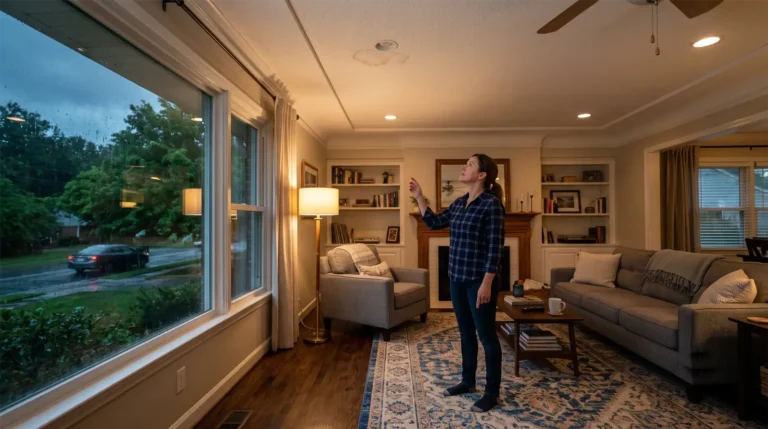
Minor leaks can often be traced to gaps in shingles or flashing. Finding and sealing them early prevents major interior damage.
How to patch:
- Identify the leak by inspecting your attic for damp insulation or stains.
- Locate the corresponding area on the roof.
- Clean the spot and apply roofing cement with a trowel.
- Press a patch of mesh fabric or extra shingle over it.
- Cover the patch with another layer of cement.
Quick check: After repairs, use a garden hose to spray the roof and confirm that the leak is sealed.
5. Clear Roof Debris and Clean Gutters
Leaves, branches, and moss can trap moisture and lead to deterioration. Keeping your roof and gutters clean improves drainage and prevents long-term issues.
Maintenance checklist:
- Remove debris using a soft broom or leaf blower.
- Avoid pressure washing, which can damage shingles.
- Clean gutters and downspouts twice a year.
- Inspect for sagging or rusted gutter sections.
Maintaining clear drainage channels is one of the simplest yet most effective roof protection measures.
6. Fix Vent Pipe Leaks
Vent pipes allow air circulation in your plumbing system, but the rubber boot around them can crack over time.
Steps to repair:
- Pry up surrounding shingles carefully.
- Remove the old boot and slide a new one over the pipe.
- Nail the new boot in place and reseal around the edges with roofing cement.
- Reattach shingles over the new flashing for a watertight finish.
This easy repair helps prevent leaks that often appear near bathrooms or kitchens.
7. Seal Around Skylights
Skylights add beauty and natural light but can be a common leak source if not sealed properly.
How to reseal a skylight:
- Remove old, cracked sealant.
- Apply a fresh bead of high-quality, UV-resistant caulk around the skylight frame.
- Check for gaps under flashing or glass panels and reseal as needed.
Performing these steps every few years ensures long-term performance and prevents water intrusion.

Tools and Materials You’ll Need for DIY Roof Repairs
Before starting, it’s essential to have the right equipment. Having the correct tools not only improves safety but also ensures quality results.
Basic Tools:
- Ladder with stabilizer attachments
- Roofing hammer or nail gun
- Pry bar and putty knife
- Utility knife and measuring tape
- Caulking gun
Essential Materials:
- Roofing nails
- Replacement shingles
- Roofing cement or sealant
- Flashing tape or metal flashing
- Safety harness and gloves
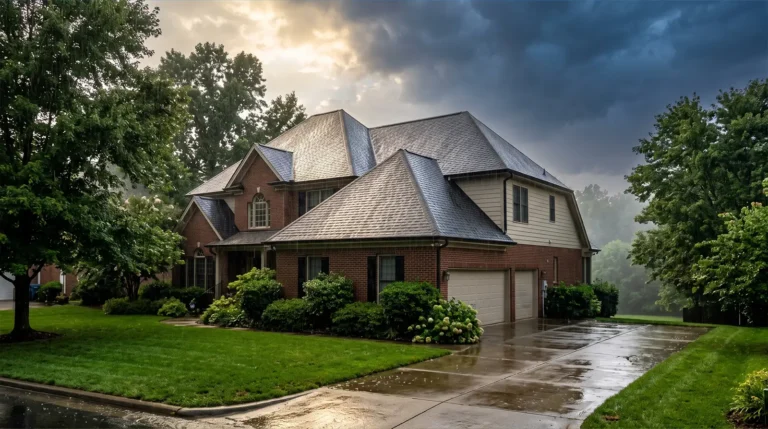
Safety First: Never work on the roof when it’s wet, icy, or windy. For homes in Rock Hill and surrounding areas, where humidity and weather shifts can be unpredictable, choose dry, calm days for repairs.
Mistakes to Avoid During DIY Roof Repairs
Even simple tasks can lead to bigger problems if done incorrectly. Keep these common mistakes in mind to protect your home and avoid unnecessary costs.
Using the Wrong Materials
Not all shingles, sealants, or nails are created equal. Always match your materials to your roof type and manufacturer specifications. Mixing incompatible products can void warranties and cause premature wear.
Overlooking Hidden Damage
Fixing visible issues without checking the underlying structure can allow water damage to spread. Always inspect your attic and underlayment for signs of rot or leaks before patching.
Ignoring Roof Pitch Safety
Sloped roofs can be hazardous, especially when wet or covered in debris. Use fall protection gear and never walk on steep roofs without proper harnessing and stabilizers.
Skipping Professional Inspections
DIY repairs are great for small issues, but professional inspections are still essential for long-term protection. Contractors have the tools and training to detect hidden leaks and structural weaknesses you might miss.
When to Call a Professional Roofer
Even the most skilled DIY enthusiast should know when to stop and call in the experts. Complex repairs or safety risks should never be taken lightly.
Call a professional if:
- You notice widespread leaks or sagging areas.
- The damage involves structural components or decking.
- Your roof is older than 15 years and showing multiple problem areas.
- You’re unsure about climbing on the roof safely.
In regions like Rock Hill and surrounding areas, where weather conditions can accelerate wear, professional roofers can ensure lasting repairs and help extend the life of your roof system.
Comparing DIY Repairs vs. Professional Roofing Services
Both DIY and professional repairs have their place, depending on the issue and your comfort level. Here’s a quick comparison to help you decide.
| Category | DIY Roof Repairs | Professional Repairs |
| Cost | Low (you buy materials only) | Moderate to High (includes labor and warranty) |
| Time Required | 1–2 hours for small jobs | 1–3 days for large projects |
| Safety Level | Moderate to risky | Very safe (handled by trained crews) |
| Longevity | Short-term fix | Long-term solution |
| Warranty Coverage | Usually none | Often includes materials and labor |
If you’re unsure which option is right for you, start with an inspection. A professional can confirm whether your repair is manageable or if deeper issues need attention.
Keeping Your Roof in Great Shape Year-Round

Routine care goes a long way in preventing emergencies. Follow these simple habits to reduce repair frequency and extend your roof’s lifespan:
- Inspect your roof twice a year—once in spring and once in fall.
- Keep trees trimmed at least six feet away from your home.
- Remove debris after storms to prevent standing water.
- Check flashing, vents, and skylights for cracked sealant.
- Clean gutters and downspouts regularly.
Consistent upkeep saves money and ensures your roof remains strong enough to handle any season.
Ready to Protect Your Home the Right Way?
DIY roof repairs are an excellent way to handle minor issues quickly, but it’s important to know your limits. With proper tools, safety precautions, and regular inspections, you can confidently manage small problems before they become major expenses. For bigger projects, expert support ensures lasting protection and performance.
If you’re dealing with recurring roof issues or want a professional inspection for your home in Rock Hill and surrounding areas, the team at Great State Roofing is here to help. To schedule an appointment or request an estimate, contact us today and speak with Great State Roofing about your repair or replacement needs.

Very professional. Quality work. I would highly recommend for any roofing needs.

Matt V

