

Metal Roof Vapor Barrier (5 Ways It Prevents Moisture in 2026)
Posted 3.26.26 | 8 Minute Read
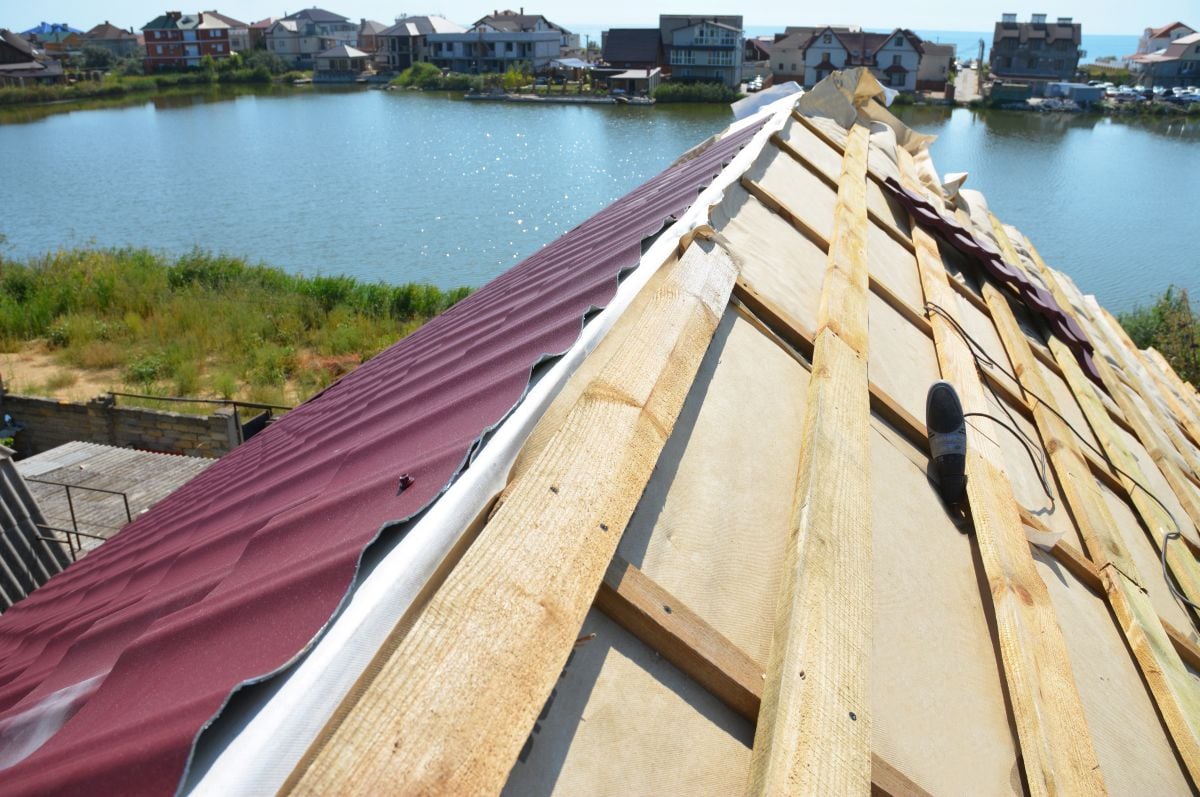
Moisture control is one of the most important parts of a long lasting roofing system. Without proper protection, condensation can form beneath roofing panels and gradually damage insulation, decking, and structural components. A metal roof vapor barrier helps prevent this problem by controlling moisture movement inside the roofing system. Homeowners researching modern roofing systems often explore durable metal roofing options designed for long term protection to better understand how components like vapor barriers contribute to roof performance.
In this guide, you will learn:
- What a metal roof vapor barrier is and why it matters
- Five ways vapor barriers prevent moisture problems
- Signs your roof may need improved moisture protection
- Installation considerations and maintenance tips for vapor barriers

Why Vapor Barriers Are Essential in Metal Roofing Systems
metal roofing systems are highly durable, but they also create unique moisture management challenges. Metal surfaces can experience temperature differences that lead to condensation beneath the panels. Without proper moisture control, trapped vapor can damage insulation, wood decking, and other structural materials.
A vapor barrier acts as a protective layer that regulates the movement of moisture within the roofing system. It is typically installed beneath the roofing panels or insulation to block water vapor from entering areas where condensation could form.
Homes in Rock Hill and surrounding areas experience seasonal temperature changes and humidity that can increase the risk of moisture buildup in roofing systems. Proper vapor barrier installation helps maintain a dry, healthy roofing structure.
Several key benefits highlight the importance of vapor barriers in metal roofs.
- Moisture Control: Vapor barriers limit the movement of water vapor that can cause condensation inside roofing systems.
- Structural Protection: Preventing moisture buildup helps protect roof decking, framing, and insulation materials.
- Energy Efficiency Support: Dry insulation performs better and helps maintain stable indoor temperatures.
- Mold Prevention: Controlling moisture reduces the likelihood of mold and mildew growth.
- Longer Roof Lifespan: Proper moisture management helps extend the life of roofing materials.
Understanding these benefits helps homeowners appreciate the role vapor barriers play in roof durability.
5 Ways Metal Roof Vapor Barriers Prevent Moisture Problems
A properly installed vapor barrier works in several ways to protect the roofing system from moisture related damage. These five functions explain how the barrier contributes to a healthier roof structure.
1. Blocking Moisture From Interior Air
Indoor air often contains humidity from daily activities such as cooking, showering, and heating systems. When warm air rises into the attic or roof assembly, the moisture within that air can condense when it reaches cooler surfaces.
A vapor barrier prevents this moisture from reaching the underside of metal roofing panels.
This protection helps:
- Reduce condensation beneath roofing panels
- Protect insulation materials from moisture exposure
- Maintain a dry roofing structure
Blocking vapor movement is one of the primary functions of a vapor barrier.
2. Preventing Condensation on Metal Panels
Metal roofing panels can cool quickly when outdoor temperatures drop. When warm, humid air comes into contact with the cool metal surface, condensation can form.
This moisture may drip onto insulation or wood decking beneath the roof.
A vapor barrier helps reduce this risk by:
- Limiting moisture reaching the underside of panels
- Stabilizing humidity levels inside the roofing assembly
- Supporting proper insulation performance
Reducing condensation helps prevent structural deterioration over time.
3. Protecting Insulation Performance
Insulation works best when it remains dry. Moisture trapped within insulation materials reduces their ability to regulate indoor temperatures.
A vapor barrier helps maintain insulation performance by preventing moisture infiltration.
Benefits include:
- Improved energy efficiency
- Stable indoor temperatures
- Reduced heating and cooling costs
Protecting insulation is one of the most important long term advantages of vapor barrier installation.

4. Reducing Mold and Mildew Growth
Moisture buildup within roofing assemblies creates an environment where mold and mildew can grow. These organisms not only damage materials but can also affect indoor air quality.
A vapor barrier helps reduce these risks by controlling humidity within the roof system.
This protection supports:
- Healthier indoor air conditions
- Reduced biological growth
- Long term structural integrity
Keeping the roofing structure dry helps prevent microbial damage.
5. Supporting Long Term Roof Durability
Moisture related deterioration can gradually weaken roofing components. Over time, repeated condensation can lead to corrosion, wood rot, or insulation damage.
By controlling moisture movement, vapor barriers contribute to the overall durability of the roofing system.
This added protection helps ensure that metal roofs maintain their performance for decades.
Signs Your Roof May Need Improved Moisture Protection
While vapor barriers are typically installed during roof construction or replacement, some homes may experience moisture problems if the barrier is missing or damaged.
Recognizing early warning signs can help homeowners address these issues before serious damage occurs.
Visible Condensation in the Attic
If you notice water droplets forming on the underside of roof panels or decking, condensation may be present within the roofing system.
Persistent condensation often indicates inadequate moisture control.
Damp or Compressed Insulation
Moisture trapped in insulation reduces its effectiveness and may cause the material to appear damp or flattened.
Wet insulation may also produce musty odors in attic spaces.
Mold or Mildew Growth
Dark spots or mold growth within attic areas can indicate excessive humidity within the roofing system.
Controlling moisture with proper vapor barriers and ventilation can help reduce these problems.
Rust or Corrosion on Metal Surfaces
Condensation beneath metal panels can gradually lead to corrosion if moisture remains present for extended periods.
Rust formation is often a sign that moisture control needs improvement.

Types of Vapor Barriers Used in Metal Roofing
Different vapor barrier materials are used depending on the roof design, insulation type, and environmental conditions. Selecting the right barrier helps ensure effective moisture control.
Below is a comparison of common vapor barrier materials used in roofing systems.
| Vapor Barrier Type | Material Composition | Advantages |
| Polyethylene Sheets | Plastic film membrane | Cost effective moisture protection |
| Foil Faced Barriers | Reflective aluminum layer | Reflects heat and blocks vapor |
| Self Adhering Membranes | Adhesive waterproof membrane | Strong seal and easy installation |
| Asphalt Based Barriers | Bitumen reinforced sheets | Durable moisture resistance |
Each option provides moisture control benefits, but the best choice depends on the roofing system design.
Professional roofing contractors evaluate insulation, ventilation, and climate conditions when recommending vapor barrier materials.
Installation Considerations for Vapor Barriers
Proper installation is essential for vapor barriers to function effectively. Even small gaps or improperly sealed seams can allow moisture to pass through.
Several factors influence successful vapor barrier installation.
Correct Placement in the Roof Assembly
The vapor barrier must be installed on the correct side of the insulation to effectively control moisture movement.
In many climates, the barrier is placed on the warm side of the insulation to prevent indoor moisture from reaching colder surfaces.
Seam Sealing
Seams between vapor barrier sheets must be sealed properly to create a continuous moisture barrier.
Installers typically use:
- Specialized tapes
- Adhesive membranes
- Overlapping installation techniques
Proper seam sealing ensures that moisture cannot bypass the barrier.
Integration With Ventilation Systems
While vapor barriers control moisture movement, proper ventilation is still necessary to regulate airflow within the roofing system.
Balanced attic ventilation helps maintain stable humidity levels and supports vapor barrier performance.
Professional Installation
Installing vapor barriers requires attention to detail and knowledge of building science principles.
Professional roofing contractors understand how to integrate vapor barriers with insulation, ventilation, and roofing materials to create a balanced roofing system.
Homes in Rock Hill and surrounding areas benefit from professional installation that accounts for regional climate conditions.
Maintaining Moisture Control in Metal Roofing Systems
Although vapor barriers require little maintenance once installed, the overall roofing system should still be inspected periodically to ensure proper performance.
Routine inspections help identify ventilation issues, insulation problems, or structural concerns that may affect moisture control.
Homeowners can support long term roof health by following several maintenance practices.
- Schedule periodic roof inspections: Professional inspections help detect moisture related problems early.
- Monitor attic ventilation: Balanced airflow helps regulate humidity levels.
- Check insulation condition: Dry, intact insulation supports effective moisture control.
- Inspect roof penetrations: Proper sealing prevents moisture intrusion around vents and pipes.
- Address leaks promptly: Early repairs prevent moisture from spreading through the roofing structure.
These steps help ensure the vapor barrier continues to perform its role effectively.
Protecting Your Roof From Moisture Damage
Moisture control is one of the most important factors in maintaining a durable roofing system. Even the strongest roofing materials can suffer damage if condensation and humidity are not properly managed.
A metal roof vapor barrier plays a vital role in protecting insulation, structural components, and roofing materials from moisture related deterioration. When combined with proper ventilation and professional installation, vapor barriers help ensure that metal roofs perform reliably for many years.
If you want expert guidance on metal roofing systems or moisture protection, the experienced team at Great State Roofing is ready to help. Their roofing professionals provide inspections, installation, and maintenance services for homeowners throughout Rock Hill and surrounding areas. If you would like expert advice on protecting your roof from moisture damage, contact us today to schedule a consultation with Great State Roofing and keep your home protected for years to come.



Very professional. Quality work. I would highly recommend for any roofing needs.

Matt V

