

Asphalt Roof Maintenance (9 Tips To Keep It Strong In 2026)
Posted 5.07.26 | 14 Minute Read
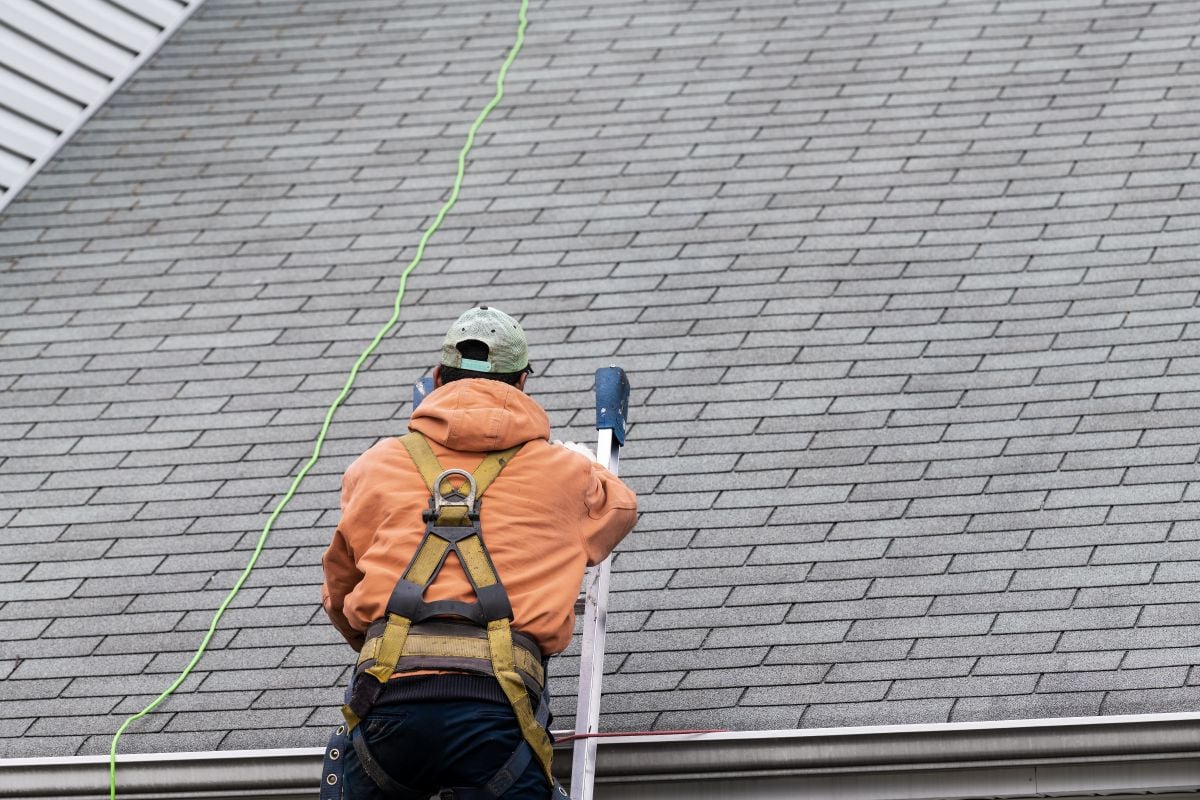
An asphalt shingle roof that is well maintained does not just last longer. It performs better across every dimension that matters: water resistance, energy efficiency, curb appeal, and structural protection for everything inside the building beneath it. The gap between a roof that reaches its full expected service life and one that fails a decade early often comes down to maintenance decisions made in the years in between. Asphalt roof maintenance is not complicated, but it does require consistency and attention to the right details at the right times. Homeowners who want to understand what keeping a residential roof in peak condition actually involves will find the answer is simpler than most people expect.
Here is what you will learn in this guide:
- Why routine maintenance has a dramatic effect on how long an asphalt roof lasts
- Nine practical maintenance tips that protect your roof through every season in 2026
- What seasonal inspection routines should cover and what to look for
- How attic conditions affect roof performance from the inside out
- The maintenance mistakes that quietly shorten roof life without obvious warning signs
- When to call a professional versus handle something yourself
What Consistent Maintenance Actually Does for an Asphalt Roof

The relationship between maintenance and roof lifespan is not theoretical. It is documented in every study that has tracked asphalt roofing performance over time, and the conclusion is consistent: roofs that receive regular attention outlast neglected roofs by years or even decades. A 25-year shingle that is never maintained may fail at 15 to 18 years. The same shingle on a well-maintained roof often reaches or exceeds its rated lifespan because the conditions that accelerate premature failure have been caught and addressed before they compound.
For homeowners in the Mooresville and surrounding areas where seasonal temperature swings, summer heat loading, and periodic severe storms put real stress on roofing systems, this distinction is especially meaningful. Maintenance does not just protect the roof itself. It protects the insulation, decking, and structural framing below it, which are far more expensive to repair once moisture has found its way in through a compromised surface.
Here is what a proactive maintenance approach actually delivers:
- Extended service life: Addressing small issues like cracked caulk at flashings, minor granule loss, or early algae growth before they develop into larger problems is the single most effective way to push a roof’s functional lifespan toward and past its rated maximum.
- Warranty protection: Most asphalt shingle manufacturers include maintenance requirements in their warranty language. A roof that has not been maintained according to those requirements may face challenges at the time of a warranty claim.
- Lower lifetime cost: A repair that costs a few hundred dollars when caught early often prevents damage that would cost several thousand dollars if allowed to develop for another season or two.
- Resale value preservation: A home with documented roof maintenance history and a roof that looks and performs well commands stronger buyer confidence and supports better resale outcomes than a home with a neglected roof of the same age.
- Peace of mind through severe weather: Knowing that your roof has been inspected, that flashings are sealed, that gutters are clear, and that any vulnerable areas have been addressed before a major storm season is a tangible benefit that no deferred maintenance strategy can provide.
9 Tips To Keep Your Asphalt Roof Strong In 2026
These nine tips represent the core of what effective asphalt roof maintenance looks like in practice. None of them require specialized skills or expensive equipment for a homeowner who is comfortable with basic property maintenance. Together they form a complete annual routine that protects the roof across every dimension of potential vulnerability.
1. Schedule Inspections Twice a Year Without Exception
Twice-yearly inspections, ideally in late spring and late fall, are the foundation of every other maintenance activity. An inspection gives you a current picture of the roof’s condition so that any changes from the previous inspection are visible and addressable before the next high-stress season begins. Spring inspections catch damage from winter ice, wind, and freeze-thaw cycling. Fall inspections confirm the roof is ready for winter loading and identify any summer storm damage that needs attention before temperatures drop.
What a meaningful visual inspection covers:
- Shingle surface condition including granule coverage, cracking, curling at edges, and any areas of discoloration
- Flashing condition at every roof penetration, valley, chimney, skylight, and wall transition
- Ridge and hip cap condition, since these elevated areas experience the most wind stress
- Gutter attachment and condition along every eave and valley
- Soffit and fascia condition at the roofline for signs of moisture intrusion from behind the gutter
2. Clear Gutters Before Every High-Rain or High-Wind Season
Gutters that are blocked with leaves, seed pods, granules, and debris do not just fail to drain properly. They hold water against the fascia, promote wood rot, allow water to back up under the eave shingles, and create ice dam conditions in winter when water that cannot drain freezes at the roof edge. Keeping gutters clear is one of the highest-impact maintenance actions available to any homeowner at the lowest cost and skill threshold.
For homes in the Mooresville and surrounding areas with significant tree canopy nearby, gutters may need clearing three or four times per year rather than the standard twice-yearly schedule. A gutter inspection should always include checking that downspouts are clear through their full length and that discharge at the bottom directs water away from the foundation rather than depositing it directly against the building.
3. Remove Moss, Algae, and Lichen Before They Take Hold
Black streaking on asphalt shingles is almost always algae growth, specifically Gloeocapsa magma, a cyanobacteria that feeds on the limestone filler in asphalt shingles and is spread by wind and rain. Left untreated, algae is primarily a cosmetic issue, but it signals environmental conditions that also support moss and lichen growth, both of which cause physical damage to the shingle surface.
Moss holds moisture against the shingle surface and physically lifts shingle edges with its root structure over time. Lichen produces acids that etch the asphalt surface and are notoriously difficult to remove once established. Treating early growth with a diluted bleach solution or a purpose-formulated roof cleaner, and installing zinc or copper strip along the ridge to provide ongoing suppression, keeps these organisms from establishing the foothold that leads to real damage.
4. Trim Overhanging Branches Before They Cause Damage
Tree branches that extend over the roof create multiple maintenance problems simultaneously. They deposit debris directly onto the roof surface, accelerating granule loss from the impact of falling limbs and seed pods. They hold moisture against the shingles below them, creating the humid conditions that algae and moss prefer. In wind events, they contact and abrade the shingle surface, wearing through the granule layer and the asphalt beneath it. And in severe storms, they can break and cause significant impact damage.
Keeping branches trimmed back to a minimum of six feet from the roof surface eliminates all of these problems proactively. This is one of the maintenance tasks most easily deferred and one whose cost is most consistently underestimated until the damage it could have prevented has already occurred.
5. Inspect and Reseal Flashings Every Year
Flashings are the metal pieces that seal every transition point on the roof: where the roof meets a chimney, a wall, a skylight, a pipe penetration, or a valley. They are the most common source of residential roof leaks because the sealants and caulks used at flashing edges and penetrations have a finite lifespan and require periodic renewal.
Checking flashings annually takes ten to fifteen minutes and can prevent the majority of roof-related water intrusion events. Look for:
- Caulk that has cracked, shrunk, or separated from the flashing or the surface it seals against
- Flashing edges that have lifted, corroded, or separated from the roof surface
- Step flashings along dormers or sidewalls that have worked loose from the wall sheathing
- Pipe boot flashings around vent penetrations that have cracked or separated at the collar
Re-caulking with a quality roofing sealant at any compromised location is a straightforward repair that costs very little in time or materials and prevents water intrusion that causes far more expensive damage downstream.
7. Check the Attic After Every Significant Storm

The attic is where many roof problems announce themselves before any visible sign appears on the exterior or interior living spaces. After any storm with significant wind, hail, or heavy rain, a brief attic inspection with a flashlight can reveal daylight visible through the decking at penetration points, water staining on the underside of the decking or on insulation, or active moisture intrusion that is not yet visible from below.
Catching these signs immediately after a storm allows for prompt repairs before the next rain event compounds the damage. Moisture that enters through a compromised shingle or flashing and soaks into the decking and insulation creates conditions that are far more expensive to remediate than the original repair would have been.
7. Address Damaged or Missing Shingles Within One Week
A cracked, broken, or missing shingle is an active vulnerability that allows water to reach the underlayment and potentially the decking beneath every time it rains. The underlayment provides a secondary line of defense, but it is not a permanent solution to an exposed area of the roof. Addressing individual shingle damage promptly, within a week of discovery rather than at the next scheduled maintenance interval, prevents a minor repair from becoming a decking replacement or interior water damage event.
For homeowners in the Mooresville and surrounding areas who experience hail events or high wind storms, a post-storm inspection specifically looking for impact fractures, cracked tabs, and lifted shingles should follow every significant weather event rather than waiting for the scheduled twice-yearly inspection.
8. Ensure Adequate Attic Ventilation Year-Round
Poor attic ventilation is one of the most overlooked contributors to premature shingle failure, and it operates invisibly until the damage is already done. In summer, an inadequately ventilated attic traps heat that elevates shingle temperatures well above ambient air temperatures, accelerating the oxidation and oil loss that causes shingles to become brittle and crack. In winter, inadequate ventilation traps warm moist air that condenses on the underside of the cold roof decking, creating moisture damage to the decking and insulation that works upward and eventually compromises the shingles from below.
The standard ventilation ratio for most residential attic spaces is one square foot of net free ventilation area per 150 square feet of attic floor area, balanced between intake at the soffits and exhaust at the ridge. A qualified contractor can assess whether your attic ventilation meets this standard and identify any blocked soffit vents, inadequate ridge vent coverage, or improper mixing of ventilation types that is reducing the system’s effectiveness.
9. Document Every Inspection and Repair in Writing
A written maintenance record serves multiple practical purposes that homeowners discover most clearly when they need them most. Documentation supports warranty claims with manufacturers who require evidence of proper maintenance. It provides context for insurance adjusters evaluating storm damage claims, demonstrating that pre-existing damage was not the cause of the claimed loss. It gives any contractor working on the roof in the future a clear history of what has been done and what conditions were present at each inspection. And it supports resale conversations by demonstrating to buyers that the roof has been actively maintained rather than simply aged in place.
A simple log that records the date, who performed the inspection, what was observed, and what if any repairs were completed is sufficient. Photographs at each inspection add significant value to this record and cost nothing beyond a few minutes of time.
Seasonal Maintenance Priorities: What to Focus On and When
Effective asphalt roof maintenance is not just about knowing what to do but about timing each activity to match the conditions that make it most effective and most necessary.
Spring Priorities
Spring maintenance focuses on assessing winter damage and preparing the roof for the high-rain months ahead. This is the time to inspect flashings after the freeze-thaw cycling of winter, clear debris that has accumulated in gutters and valleys over fall and winter, address any shingles that were damaged by ice or wind, and treat any algae growth that became visible during the warmer early spring weather.
Summer Priorities
Summer maintenance focuses on managing heat-related stress and keeping the roof clear of debris from summer storms. Check that attic ventilation is functioning correctly to prevent heat buildup that accelerates shingle aging. After any severe summer storm, inspect for hail impact fractures and lifted shingles before the next rain event.
Fall Priorities
Fall is the highest-priority maintenance season for most homeowners because it determines how well the roof enters winter. Clear gutters thoroughly after leaf drop. Inspect all flashings and reseal any that show age or separation. Trim overhanging branches before winter wind loads arrive. Confirm that the attic ventilation is not obstructed by any insulation that may have shifted during summer.
Winter Priorities
In most climates, winter maintenance is primarily observational. Monitor for ice dam formation at eaves, which signals inadequate attic insulation or ventilation allowing heat to escape through the roof and melt snow unevenly. After heavy snow events, watch for any signs of structural stress such as unusual sounds from the roof framing, and note any water staining that appears on ceilings below the roof deck for follow-up when temperatures allow safe roof access.
The Maintenance Mistakes That Quietly Shorten Roof Life

Knowing what to do is only half of effective maintenance. Understanding what not to do prevents the well-intentioned actions that cause more harm than the neglect they are meant to address.
- Pressure washing asphalt shingles: High-pressure washing strips granules, damages the asphalt surface, and voids manufacturer warranties on many shingle products. Algae and moss should be treated with appropriate chemical treatments applied at low pressure, not physically blasted off with water pressure that destroys the surface it is trying to clean.
- Walking on the roof unnecessarily: Every step on an asphalt roof causes some degree of granule displacement and shingle stress. Inspections and repairs that require roof access should be conducted with care, using proper footwear and minimizing traffic to the areas where work is being done. Avoid walking on an asphalt roof in hot weather when shingles are most susceptible to compression damage.
- Applying roof coatings without professional guidance: Several products marketed for homeowner application promise to extend shingle life or restore appearance, and some of them cause more harm than good by trapping moisture, creating incompatible chemical reactions with the shingle surface, or adding weight that stresses the underlying structure. Any coating or treatment product should be evaluated carefully against the manufacturer’s specifications for your specific shingle type before application.
- Ignoring minor issues because the roof is not leaking yet: A roof that is not currently leaking is not necessarily a roof in good condition. Many of the failure modes that lead to water intrusion, including flashing seal degradation, granule loss, and early shingle cracking, progress for months or years before they create a visible leak. Waiting for a leak as the trigger for maintenance attention means addressing damage that has already progressed significantly rather than preventing it.
Keep the Roof You Have Working as Hard as Possible
Your asphalt roof is one of the most important components of your home, and it is one of the most exposed to the forces that degrade it. Consistent, informed maintenance does not require a large time investment or specialized expertise. It requires attention to the right things at the right times and the willingness to address small issues before they become large ones.
At Great State Roofing, we work with homeowners throughout the Mooresville and surrounding areas to inspect, maintain, and repair asphalt roofing systems that are built to last and deserve to be treated that way. Whether you need a professional inspection, a specific repair, or guidance on what your maintenance routine should include for your specific roof, our team is ready to help.
Your roof does not have to work harder than it should. Contact us today to schedule a professional inspection and start the year with a clear picture of exactly where your roof stands.
Very professional. Quality work. I would highly recommend for any roofing needs.

Matt V

