

Metal Roof Vs Asphalt Shingles (8 Real Differences in 2026)
Posted 5.21.26 | 13 Minute Read
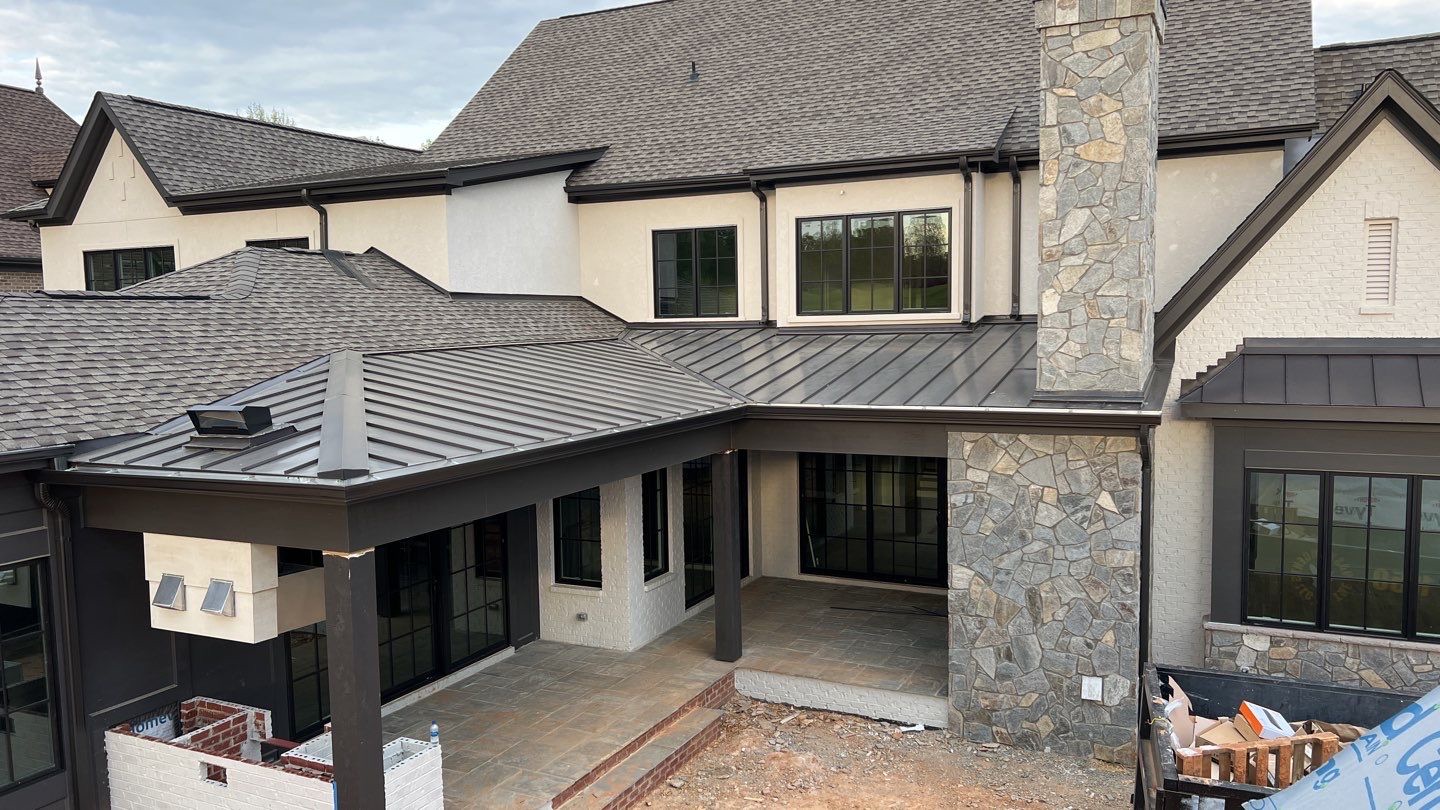
It is one of the most common questions in residential roofing, and it deserves a better answer than most homeowners get. The metal roof vs asphalt shingles debate often gets reduced to a simple cost comparison that misses most of what actually matters when you are choosing a system that will protect your home for decades. The two materials are fundamentally different in how they are made, how they perform across seasons, how they age, and what they demand in maintenance and eventual replacement. For homeowners in the Charlotte and surrounding areas preparing to make a roofing decision that will affect them for the next 20 to 50 years, understanding what each material actually delivers over its full service life is the only honest starting point.
Here is what you will learn in this guide:
- The eight real performance differences between metal roofing and asphalt shingles
- How the true cost comparison changes when you account for lifespan and replacement cycles
- Which material performs better in specific conditions including heat, wind, hail, and cold
- How installation, maintenance, and repair requirements differ between the two systems
- What the resale value data actually shows about each roofing type
- How to decide which material is genuinely the right fit for your specific home and situation
Why This Comparison Matters More Than It Used to

The decision between metal roofing and asphalt shingles looks different in 2026 than it did a decade ago. Metal roofing has become significantly more accessible in terms of both product availability and installed cost, and the gap between metal and premium asphalt shingles has narrowed enough that the conversation deserves a genuine analysis rather than a reflexive default to asphalt because it is familiar.
At the same time, asphalt shingles have continued to evolve. Architectural and premium shingle lines now offer better impact resistance, longer warranty periods, and improved algae resistance compared to products from even ten years ago. Neither material is the obvious choice for every situation, and the homeowner who understands the real differences is in a far better position to make the right call for their specific home, climate, and financial horizon. For homeowners throughout the Charlotte and surrounding areas who are weighing this decision right now, these eight differences are what the conversation should actually be built around.
Here is why getting this comparison right produces better long-term outcomes:
- Cost clarity: The upfront price difference between metal and asphalt is real, but framing the decision around upfront cost alone leads to choices that cost more over time when replacement cycles and maintenance are factored in.
- Performance matching: Different homes, climates, and use cases favor different materials. A homeowner who plans to sell in five years has different needs than one building a forever home, and the right material depends on which set of priorities is actually driving the decision.
- Warranty and insurance relevance: Metal roofing and premium asphalt shingles carry different warranty structures and may affect homeowner insurance premiums differently. These financial dimensions are part of the real comparison that most homeowners do not evaluate until after the decision is made.
- Environmental considerations: The two materials have meaningfully different environmental footprints across their production, service life, and end-of-life disposal stages, and these differences matter increasingly to a growing segment of homeowners.
- Contractor selection impact: Metal roofing installation requires different skills and experience than asphalt installation, and the quality of available contractors for each material type in a specific area affects the realistic outcome of the project.
8 Real Differences Between Metal Roofing and Asphalt Shingles in 2026
These eight differences are not theoretical advantages on a spec sheet. They are real performance and financial distinctions that affect how each material behaves on your home across the years and decades of ownership.
1. Lifespan and Replacement Frequency
This is the most consequential difference between the two materials and the one most often glossed over in simple price comparisons. A quality metal roof properly installed on a residential home can last 40 to 70 years with minimal intervention. A quality architectural asphalt shingle roof under comparable conditions lasts 20 to 30 years before replacement is warranted.
For a homeowner who plans to own their home for 40 or more years, this single difference means that choosing asphalt over metal almost guarantees at least one full roof replacement during the ownership period, potentially two. Each replacement carries not just material cost but also the labor, disposal, and disruption costs of a full roofing project.
The practical implication:
- A 40-year ownership horizon with a metal roof: one installation, ongoing maintenance
- A 40-year ownership horizon with asphalt: one to two full replacements plus ongoing maintenance
- Total cost over the ownership period often favors metal despite the higher upfront investment
2. Upfront Material and Installation Cost
This is where asphalt holds its clearest and most straightforward advantage. Standard architectural asphalt shingles installed on a typical residential roof cost roughly $3.50 to $6.00 per square foot including materials and labor. Entry-level standing seam metal roofing typically starts around $8.00 to $12.00 per square foot installed, with premium systems and complex applications ranging higher.
For a homeowner with a limited budget for whom the next 20 years of roof performance is the planning horizon, asphalt’s lower upfront cost is a genuine and defensible advantage. The calculation shifts significantly for homeowners with longer time horizons, better access to financing, or a specific intention to stay in the home permanently.
Cost considerations to factor in:
- Premium asphalt shingle lines with enhanced impact resistance and longer warranties close some of the performance gap while keeping cost lower than metal
- Metal roofing financing programs have become more accessible, reducing the barrier that upfront cost represents
- Roof complexity, including valleys, dormers, and penetrations, affects both asphalt and metal installation cost but typically adds proportionally more to metal installation cost
3. Wind and Storm Performance
Metal roofing holds a meaningful performance advantage in high-wind and severe weather conditions. Standing seam metal panels, with their concealed fastener systems and interlocking seam profiles, are engineered to resist wind uplift at levels that asphalt shingles cannot match. Many standing seam products are rated for wind resistance of 140 mph or higher, compared to standard architectural asphalt shingles rated for 110 to 130 mph.
In the Charlotte and surrounding areas where summer thunderstorms and occasional tropical weather systems produce high-wind events, this difference in rated wind resistance has practical significance. Homeowners who have experienced asphalt shingle blow-off following wind events should consider whether the added wind resistance of a metal system would reduce their exposure going forward.
Additional storm performance factors:
- Metal roofing does not absorb water and cannot rot, making it more resilient to water infiltration after wind damage than asphalt
- Asphalt shingles with enhanced wind ratings and sealed starter strips have narrowed but not closed the wind performance gap
- Post-storm repair of asphalt is generally faster and less expensive than metal for isolated damage, but metal typically sustains less damage per storm event
4. Hail Resistance and Impact Performance

Hail performance is one area where the comparison is more nuanced than the simple metal-wins narrative suggests. Class 4 impact-resistant asphalt shingles, which use a reinforced fiberglass mat and modified asphalt formulation, perform comparably to standard metal roofing in hail resistance testing and carry the same Class 4 impact rating that qualifies for insurance discounts in many states.
Very large hail, however, dents metal roofing panels, and while functional performance is usually not compromised, the aesthetic damage can be significant and is not always covered by roofing product warranties. Asphalt Class 4 shingles under large hail may crack or lose granules but typically show less visible cosmetic damage.
The practical takeaway for hail-prone areas:
- For functional protection, Class 4 asphalt and Class 4 rated metal perform similarly
- For cosmetic durability under large hail, thicker gauge metal and Class 4 asphalt have different failure modes that may favor one or the other depending on priorities
- Both materials may qualify for insurance discounts with Class 4 impact ratings, which can offset some of the cost difference over time
5. Energy Efficiency and Heat Performance
Metal roofing with reflective finishes outperforms asphalt shingles in solar reflectance across most color comparisons. A metal roof with a light-colored or cool-rated finish can reflect 60 to 70 percent of solar energy, compared to 20 to 30 percent for standard asphalt shingles in comparable colors. This reflectance difference translates to lower attic heat gain, reduced air conditioning load, and lower cooling costs during warm months.
Many metal roofing products qualify for ENERGY STAR certification based on tested solar reflectance and thermal emittance, and some states and utilities offer rebates for cool roof installations that metal products more reliably qualify for than asphalt alternatives.
Energy performance context:
- White and light-gray metal roofing achieves the highest reflectance values, while darker metal colors lose some of this advantage
- Attic ventilation quality affects how much of the metal roof’s reflectance advantage translates to interior temperature difference
- Premium asphalt shingles with cool roof granules have improved reflectance compared to standard products but still fall short of metal in most direct comparisons
6. Maintenance Requirements Over Time
Asphalt shingles require more active maintenance than metal roofing across their service life. Granule loss monitoring, algae and moss treatment, periodic inspection for cracked or lifted shingles, and sealant renewal at flashings are all maintenance activities that asphalt requires more frequently than metal. Asphalt shingles are also more vulnerable to biological growth, with algae staining being one of the most common aesthetic complaints about mid-life asphalt roofs.
Metal roofing is not maintenance-free, but its maintenance demands are less frequent and less intensive. Periodic inspection of fasteners, sealants at penetrations, and panel seams, combined with gutter maintenance, covers most of what a metal roof requires across its service life.
Metal maintenance advantages:
- No granule loss to monitor or address
- Resistant to algae and moss colonization on properly coated surfaces
- Concealed fastener systems eliminate the fastener maintenance that exposed fastener metal systems require
- Paint and coating systems carry long warranties that reduce the monitoring burden
7. Noise During Rain and Hail Events
This is one of the most cited concerns about metal roofing, and it deserves an honest answer rather than dismissal. Metal roofing installed over an open deck without solid sheathing and proper underlayment can be noticeably louder during rain and hail events than asphalt shingles. However, most modern residential metal roofing installations include solid sheathing, a quality underlayment, and in some cases additional insulation that effectively attenuates the sound transmission through the roof.
Homeowners who install standing seam metal over a solid wood deck with a quality synthetic underlayment typically report sound levels during rain that are comparable to or only slightly louder than a comparable asphalt installation. The dramatic noise difference that metal roofing is known for is primarily a characteristic of metal installed over open framing without adequate sound attenuation layers beneath it.
8. Environmental Impact and Sustainability
Metal roofing holds a clear advantage in long-term environmental impact. Asphalt shingles generate an estimated 11 million tons of landfill waste annually in North America, with the replacement cycle meaning that most residential asphalt roofs end up in a landfill once or twice during a typical homeowner’s occupancy. Metal roofing lasts significantly longer, reducing replacement frequency, and is fully recyclable at the end of its service life. Many metal roofing products are also manufactured with a significant percentage of recycled content.
For homeowners in the Charlotte and surrounding areas making purchase decisions with sustainability in mind, this lifecycle comparison represents a meaningful environmental advantage that compounds over the multi-decade service life of a metal roof.
Side-by-Side Comparison: Metal Roof vs Asphalt Shingles

| Factor | Metal Roofing | Asphalt Shingles |
| Expected Lifespan | 40 to 70 years | 20 to 30 years |
| Upfront Cost (installed) | $8 to $15+ per sq ft | $3.50 to $6.00 per sq ft |
| Wind Resistance | Up to 140+ mph | 110 to 130 mph |
| Hail Resistance (Class 4) | Excellent (may dent) | Excellent (may crack) |
| Solar Reflectance | High (cool roof capable) | Moderate (cool options available) |
| Maintenance Frequency | Low | Moderate |
| Noise During Rain | Moderate (with underlayment) | Low |
| Environmental Impact | Low (recyclable, long life) | Higher (landfill waste) |
| Repair Cost (isolated) | Moderate to high | Low to moderate |
| Resale Value Contribution | High | Moderate |
How to Decide Which Material Is Right for Your Home
The comparison table makes the performance case for metal roofing strong across most dimensions, but that does not automatically make metal the right choice for every homeowner in every situation. These decision factors help calibrate which material genuinely fits a specific set of circumstances.
Ownership Timeline
A homeowner who plans to sell within five to ten years and is not making a deliberate investment in premium upgrades for resale value may find that a quality asphalt installation makes more financial sense than a metal roof whose lifecycle advantages will not be fully realized under their ownership. A homeowner building or renovating with a long ownership horizon should run the full lifecycle cost comparison, which frequently favors metal.
Budget and Financing Access
If the upfront cost difference between metal and asphalt is genuinely prohibitive without financing, and financing is not accessible or desirable, a quality asphalt installation on a reasonable maintenance schedule is a sound choice. If financing is available and accessible, the monthly cost difference between financing a metal roof and financing a quality asphalt roof is often smaller than the upfront dollar gap suggests.
Local Weather Conditions
Homes in areas that experience frequent high-wind events, recurring hail, or significant UV exposure gain more from metal’s specific performance advantages than homes in more moderate climates. Conversely, homes in climates with extreme cold cycling may benefit from SBS-modified roofing materials or premium asphalt formulations that offer specific cold-weather advantages.
Architectural Compatibility
Metal roofing is available in a wide range of profiles and colors that complement most residential architectural styles, but certain traditional or historic architectural styles are better served by asphalt shingles that more closely replicate the appearance of conventional roofing materials. Neighborhood covenants, HOA guidelines, and local aesthetic norms are practical factors that can constrain material selection regardless of performance preferences.
Choose the Material That Serves Your Home Best
There is no universally correct answer in the metal roof vs asphalt shingles debate, but there is a correct answer for every individual home, budget, and ownership situation. The homeowners who make the best roofing decisions are the ones who evaluate both options honestly against their actual circumstances rather than defaulting to familiarity or reacting to a single dimension like upfront price.
At Great State Roofing, we install both metal roofing and asphalt shingles, which means we have no financial reason to steer homeowners toward one material over the other. We give honest recommendations based on what actually fits each situation, and we back our work with the quality installation that whichever material you choose deserves.
If you are trying to make this decision for your home in the Charlotte and surrounding areas, contact us today to schedule a consultation and get a clear, honest comparison of what each option looks like for your specific roof.
Very professional. Quality work. I would highly recommend for any roofing needs.

Matt V

