

Roof Blistering (6 Causes, Risks & How To Fix It Quick)
Posted 5.19.26 | 12 Minute Read
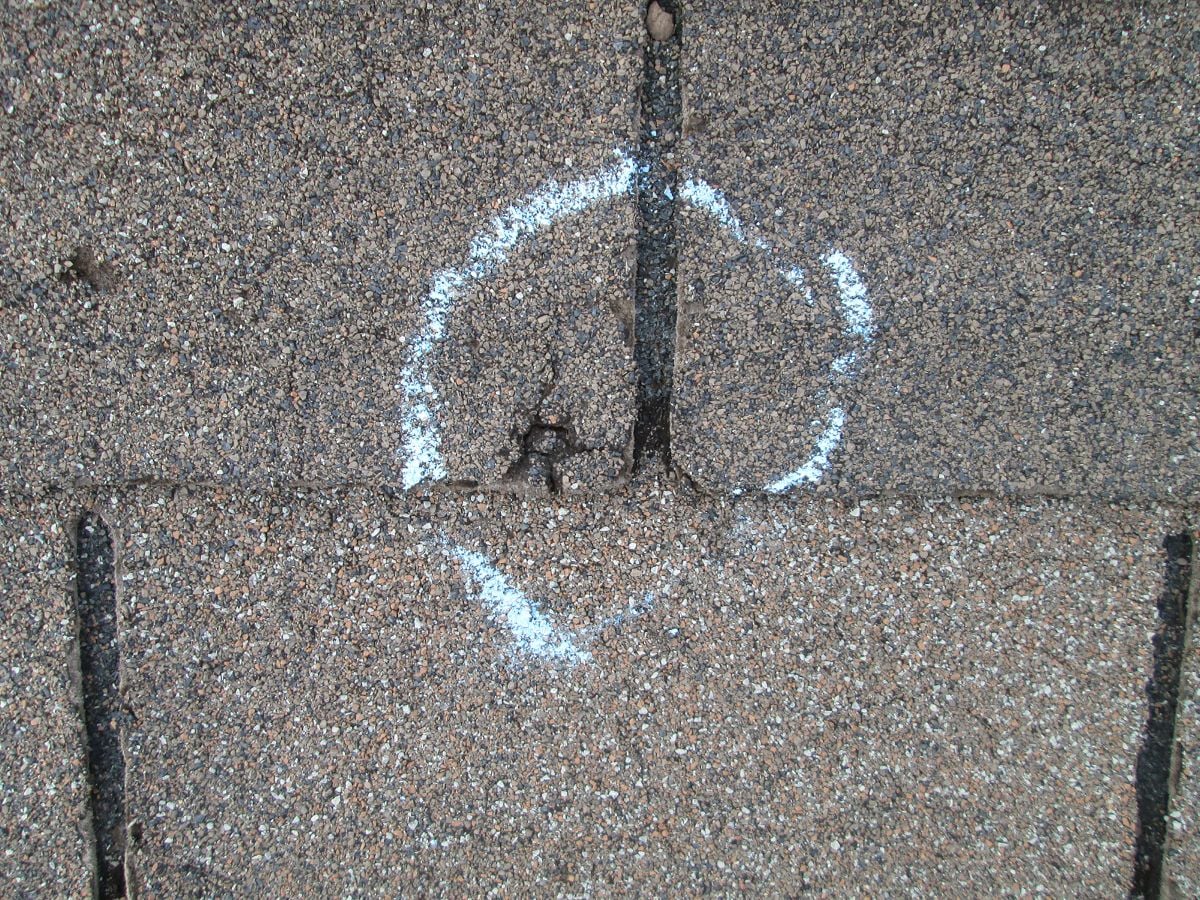
Most homeowners who spot raised, bubble-like formations on their asphalt shingles assume they are looking at a cosmetic issue. In some cases that is true. In others, those bubbles are an early warning of a roofing problem that is actively compromising the system from within. Roof blistering occurs when pockets of moisture or volatile gases become trapped within the shingle layers and expand under heat, pushing the shingle surface upward from the inside. Understanding what causes it, when it becomes dangerous, and how to respond correctly makes the difference between a manageable repair and an avoidable replacement. Homeowners who want to understand what keeps a residential roof performing correctly across all weather conditions will find blistering is one of the most instructive failure modes to understand.
Here is what you will learn in this guide:
- What roof blistering actually is and how it forms within an asphalt shingle
- The six primary causes that create the conditions for blistering to develop
- How to distinguish blistering that is cosmetic from blistering that represents active system failure
- What risks blistering creates for the broader roofing assembly if left unaddressed
- How to fix blistered shingles correctly and when replacement is the appropriate call
- How ventilation and installation quality factor into blister prevention
Why Roof Blistering Deserves More Attention Than It Usually Gets

Roof blistering sits in an uncomfortable middle category for most property owners: it is visible enough to notice but not alarming enough to act on immediately. That middle-ground status is exactly what allows it to progress from a manageable condition to a genuine performance problem without triggering the kind of urgent response that an active leak would produce.
The core issue is that a blister represents a separation within the shingle structure, and that separation weakens the shingle’s water-shedding performance and UV resistance at that location. A small, stable blister on an otherwise sound shingle may remain intact for years without causing a leak. But a blister that grows, ruptures, or is compounded by other aging factors creates a breach in the shingle surface that allows water to reach the underlayment below. For homeowners in the Cornelius and surrounding areas where summer heat loads are significant and thermal cycling is pronounced, the conditions that encourage blister development and growth are present throughout the warm season every year.
Here is why taking blistering seriously protects the broader roofing system:
- Early detection opportunity: Blistering that is identified and evaluated early gives property owners the chance to address root causes like inadequate ventilation before they accelerate damage to a larger section of the roof.
- Leak prevention: A blister that ruptures or develops a crack at its raised peak creates a direct pathway for water infiltration that reaches the underlayment and potentially the decking before it shows up as an interior ceiling stain.
- Warranty implications: Most shingle manufacturers specify that blistering caused by installation errors or inadequate ventilation, both of which are installer-controlled conditions, may affect warranty coverage. Understanding the cause of blistering on a relatively new roof can determine whether a warranty claim is appropriate.
- System lifespan protection: Widespread blistering on a roof accelerates granule loss as blisters rupture and carry granules away from the shingle surface, shortening the effective service life of the entire system faster than normal aging alone would produce.
- Informed repair decisions: Understanding whether blistering is isolated or widespread, stable or growing, and cosmetic or structural determines whether spot repairs, full replacement, or underlying system corrections are the appropriate response.
6 Causes of Roof Blistering
Blistering does not happen randomly. Each blister traces back to a specific condition or combination of conditions that created the pocket of trapped gas or moisture that expanded under heat. These six causes cover the full range of mechanisms that produce blistering on residential asphalt roofs.
1. Inadequate Attic Ventilation
This is the most common cause of widespread blistering on residential roofs and the one most frequently overlooked during post-installation inspections. When attic ventilation is insufficient to exhaust the heat that builds up beneath the roof deck during summer, attic temperatures can reach 150 degrees Fahrenheit or higher on hot days. At those temperatures, the volatile compounds within the asphalt shingle manufacturing process that were not fully released during production expand rapidly, pushing outward through the shingle layers and creating blisters.
Inadequate ventilation causes blistering that tends to appear broadly across the roof surface rather than in isolated areas, because the heat problem affects the entire attic space simultaneously. Addressing the blistering without also correcting the ventilation deficiency allows new blisters to form on any replacement shingles installed.
Signs this is the cause:
- Blisters appear across multiple roof sections rather than in isolated spots
- The attic feels noticeably hot when accessed during or after a warm day
- Soffit vents are blocked by insulation or the ridge vent coverage is insufficient for the attic volume
- Blistering developed within the first few years after a new roof installation
2. Moisture Trapped During Manufacturing or Storage
Asphalt shingles contain moisture from the manufacturing process that should fully off-gas before installation. When shingles are stored improperly, particularly in conditions where they are exposed to moisture or to temperature extremes before installation, residual moisture can remain within the shingle layers. Once those shingles are installed and exposed to summer heat, that trapped moisture expands into vapor and creates blisters from the inside of the shingle outward.
This cause tends to produce blistering that appears relatively early in the roof’s life, sometimes within the first year or two after installation, and the blisters may be distributed somewhat randomly across the roof surface depending on which shingles in a given batch had the highest moisture content before installation.
Key indicators:
- Blistering appeared within the first one to three years after a new roof installation
- The pattern is somewhat random rather than concentrated in specific areas
- Shingles were stored on-site for an extended period before installation, particularly through a wet season
3. Improper Installation Practices

Several installation errors create the conditions for blistering to develop. Applying shingles over wet underlayment or wet decking traps moisture within the assembly that expands under heat. Using excessive asphalt cement or improper adhesives between layers creates pockets where volatile compounds concentrate. Nailing shingles too high, which is a common installation shortcut that creates inadequate sealing between courses, allows air and moisture to migrate between shingle layers in ways that promote blister formation under thermal stress.
Installation-caused blistering often appears in patterns that reflect the specific error: blistering concentrated along nail lines, in areas where over-application of adhesive occurred, or in sections where wet materials were covered before drying.
4. Low-Quality Shingle Products
Not all asphalt shingles are manufactured to the same standard, and product quality differences show up clearly in blister resistance over time. Shingles with insufficient asphalt saturation, inconsistent granule adhesion, or manufacturing variability in their volatile content are more susceptible to blistering under normal service conditions than products that meet or exceed standard manufacturing specifications.
This is one reason why the lowest-cost option at the material level rarely produces the lowest total cost over the life of the roof. In the Cornelius and surrounding areas where summer temperatures regularly stress roofing materials, the difference between a quality shingle and a budget product in blister performance becomes visible within the first several years of installation.
5. Incompatible Roofing Materials
When new roofing materials are installed over existing materials that are not fully compatible, the chemical interaction between layers can produce volatile gases that become trapped between them. This is most commonly observed in re-roof situations where a new shingle layer is applied over an existing layer with different asphalt formulations, or where incompatible sealants, coatings, or adhesives are used in combination with shingles that react to the contact.
Re-roofing over existing shingles, while sometimes a cost-effective option, introduces additional variables that can produce blistering that would not occur on a clean deck installation. A qualified contractor should evaluate material compatibility before recommending a re-roof application rather than full tear-off.
6. Coating or Sealant Applied Over Shingles
Homeowners sometimes apply roof coatings, elastomeric sealants, or other products over asphalt shingles in an attempt to extend their service life or restore their appearance. Many of these products seal the shingle surface in a way that traps the volatile compounds that need to escape from the asphalt over its normal aging process. When those compounds cannot escape through the now-sealed surface, they build up pressure beneath the coating and push upward, creating blisters between the coating and the shingle surface.
This is one of the clearest examples of a well-intentioned maintenance action producing a worse outcome than no action at all. Before applying any coating or sealant product to asphalt shingles, verify with the shingle manufacturer that the product is compatible and will not interfere with the shingle’s normal off-gassing process.
How to Assess Whether Your Blistering Is a Problem Worth Fixing Now
Not all blistering requires the same response, and making an accurate assessment of the blistering present on a specific roof determines whether immediate action, monitoring, or comprehensive repair is the appropriate course.
- Stable vs. active blistering: Blisters that have been present for a season or more without visibly growing, rupturing, or developing cracks at their peaks are considered stable. Stable blisters represent a compromised area of the shingle surface but may not be creating an active water infiltration risk if the blister surface remains intact. Monitoring stable blisters through periodic inspection without immediate repair is a reasonable approach when the blistering is limited in extent and the shingles are otherwise in good condition. Active blistering includes blisters that are visibly growing between inspections, blisters that have ruptured and left crater-like depressions with missing or displaced granules, and blisters with cracks at their peaks that allow water entry. Active blistering requires repair or replacement of the affected shingles promptly, as each rain event infiltrates through any crack or rupture point in the blister surface.
- Isolated vs. widespread distribution: Isolated blistering affecting a small number of shingles in a limited area suggests a localized cause such as a specific installation defect, a small batch of sub-quality material, or a localized moisture exposure during installation. This pattern is more amenable to spot repair of the affected shingles while the surrounding roof continues to perform. Widespread blistering across multiple sections or the majority of the roof surface suggests a systemic cause, most commonly inadequate ventilation or a product quality issue that affected the entire installation. Widespread blistering almost always warrants a comprehensive assessment and a plan for either ventilation correction combined with monitoring or full roof replacement, depending on how far the shingle degradation has progressed.
- Age of the affected shingles: Blistering on relatively new shingles under 10 years old points toward installation or manufacturing causes that may support a warranty or workmanship claim. Blistering on older shingles 15 years or more is more likely to reflect the accumulated effects of normal thermal cycling combined with inadequate ventilation, and the repair decision should be made in the context of the roof’s remaining expected service life overall.
Fixing a Damaged Roof from Blistering: Options and Outcomes
When repair rather than full replacement is the appropriate response to blistering, the approach depends on the extent of damage and whether the blister has ruptured.
Spot Repair of Ruptured Blisters
A ruptured blister that has left an exposed area of the shingle mat or a depression with missing granules can be addressed by replacing the individual affected shingles. The replacement process involves carefully removing the damaged shingles without disturbing the courses above, sliding new matching shingles into position, securing them with roofing nails at the correct fastening zone, and sealing the nail heads and shingle edges with roofing cement.
Matching replacement shingles to existing ones is increasingly difficult as time passes and the original product ages, since granule colors and shingle profiles change across manufacturing runs. For roofs where appearance matters, a roofing contractor with access to current manufacturer product lines and the knowledge to identify the closest available match produces the best outcome.
When Full Replacement Makes More Sense
Full replacement rather than spot repair is the appropriate decision when blistering is widespread across the roof surface, when the affected shingles are already near the end of their expected service life, when blistering is accompanied by other significant degradation such as curling, granule loss, or cracking across the broader roof area, or when the root cause such as inadequate ventilation has not been corrected and would continue degrading any replacement shingles installed.
A qualified roofing contractor can assess whether the scope and distribution of blistering on a specific roof supports repair or replacement and provide an honest recommendation based on the full condition of the system rather than just the visible blisters.
Get a Clear Answer on What Your Blistered Roof Needs
Roof blistering is one of those conditions where the right response depends entirely on an accurate assessment of what is actually happening and why. A handful of stable blisters on an otherwise sound roof with good ventilation calls for a different response than widespread active blistering on a system with documented ventilation deficiencies and shingles approaching the end of their service life.
At Great State Roofing, we help homeowners throughout the Cornelius and surrounding areas understand exactly what they are dealing with when they see blistering on their roof, and we provide honest guidance on whether repair, replacement, or a ventilation correction is the right next step. We do not recommend replacement when repair is appropriate, and we do not recommend ignoring conditions that genuinely need attention.
If you have noticed blistering on your roof and want a professional assessment of what it means and what to do about it, contact us today to schedule an inspection and get clear answers.
Very professional. Quality work. I would highly recommend for any roofing needs.

Matt V

