

Commercial Roof Financing (5 Smart Ways to Fund Repairs in 2026)
Posted 4.14.26 | 11 Minute Read
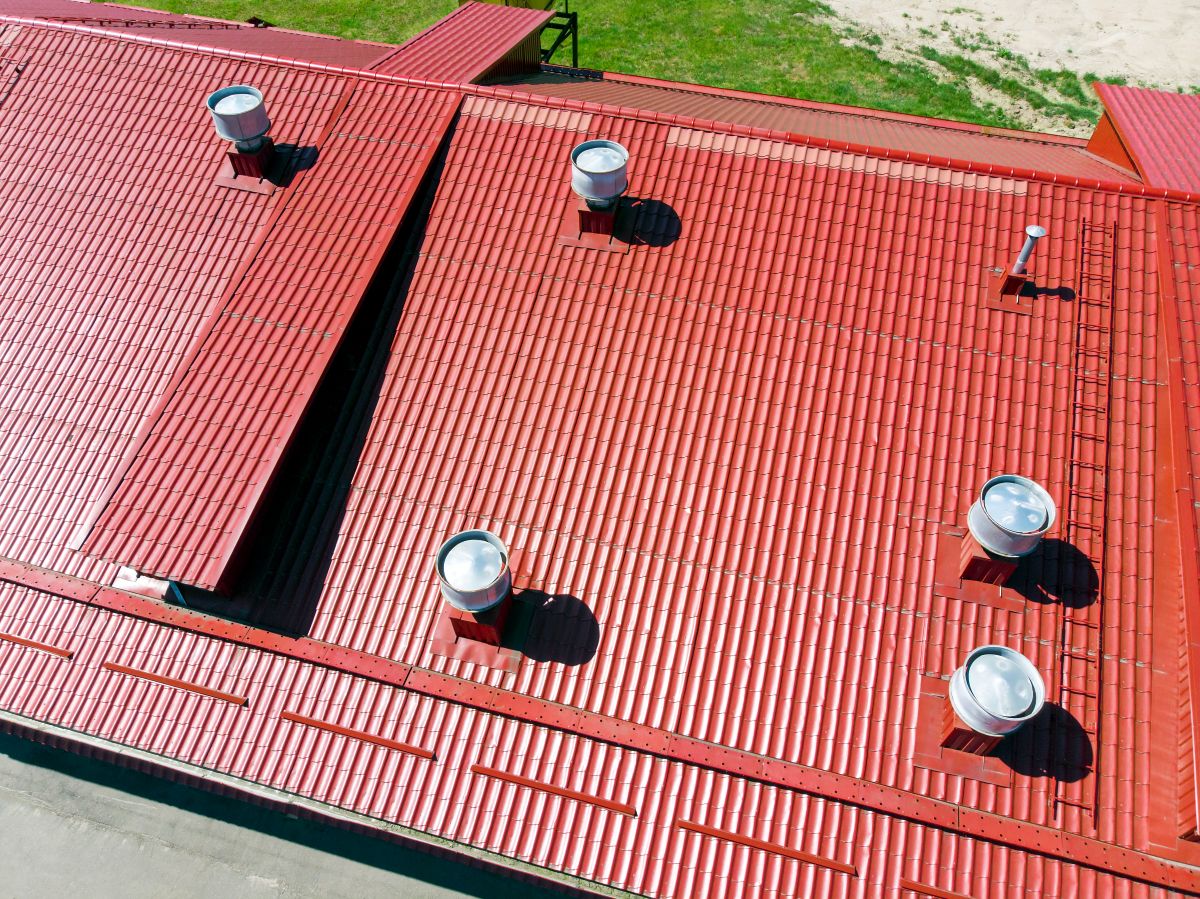
A failing commercial roof rarely waits for a convenient time in the budget cycle. When water is coming in, membranes are failing, or an inspection reveals problems that cannot be deferred, property owners need solutions that work financially as much as structurally. Commercial roof financing gives businesses the ability to protect their buildings without draining operating capital or delaying critical repairs. Whether you own a single commercial property or manage a portfolio of buildings in the Fort Mill and surrounding areas, understanding your funding options puts you in a far stronger position when a roofing decision cannot wait. Explore what a comprehensive commercial roofing project involves before you start comparing numbers.
Here is what you will learn in this guide:
- Why financing a commercial roof often makes more financial sense than paying cash
- The five most practical funding options available to commercial property owners in 2026
- How to evaluate which financing structure fits your situation
- What lenders and financing partners look at when approving roofing loans
- Common mistakes to avoid when financing a roofing project
- How to use financing strategically to maximize roof performance and long-term value
Why Financing a Commercial Roof Is a Smart Business Decision

Many property owners instinctively resist financing, viewing it as a last resort when cash is not available. In practice, financing a commercial roof is often the strategically smarter move even when the funds to pay outright exist. The reasoning comes down to how capital works for a business versus how it sits in a bank account.
A commercial roof is a long-term asset. Spreading the cost over its useful life through financing allows businesses to align the expense with the value being received, preserve working capital for operations or higher-return investments, and take advantage of tax treatment options that may reduce the effective cost of borrowing. For property owners in Fort Mill and surrounding areas evaluating large-scale roofing work, the decision to finance versus pay cash deserves the same analysis you would apply to any capital expenditure.
Here is why financing often comes out ahead:
- Capital preservation: Keeping liquidity available for payroll, inventory, equipment, and unexpected operating needs protects the business from being stretched thin after a large roofing expenditure.
- Tax advantages: In many cases, interest paid on a commercial roofing loan is deductible as a business expense, and certain financing structures allow accelerated depreciation on the roofing system itself. Consult your accountant for guidance specific to your situation.
- Immediate action on urgent repairs: Financing allows you to move forward before a deteriorating roof causes additional interior damage, tenant disruption, or liability exposure, all of which cost more than the interest on a well-structured loan.
- Access to better materials: When a budget is not artificially constrained by available cash, property owners can select higher-quality roofing systems with longer lifespans and stronger warranties rather than settling for the least expensive option.
- Predictable monthly expense: A fixed-rate financing arrangement converts a large unpredictable capital hit into a consistent monthly line item that integrates cleanly into operating budgets and financial forecasting.
5 Smart Ways to Fund Commercial Roof Repairs in 2026
The financing landscape for commercial roofing has expanded considerably in recent years. Property owners now have more options, more flexibility, and more competitive terms than were available even five years ago. Understanding what each option involves helps you match the right structure to your specific needs.
1. Contractor-Facilitated Financing Programs
Many commercial roofing contractors now partner with specialized lending platforms to offer financing directly through the project. This is often the fastest and most straightforward path for property owners who want to move quickly without navigating a separate lending process. Programs through platforms like Enhancify, which Great State Roofing offers, are designed specifically for home and property improvement projects and typically feature streamlined applications, fast approvals, and competitive rates.
Key features of contractor-facilitated financing:
- Applications are often completed online in minutes with same-day or next-day approval decisions
- Loan amounts are sized to match the project cost, reducing the complexity of right-sizing a separate credit facility
- Fixed-rate and promotional rate options are often available depending on credit profile and project size
- These programs are designed to work with the contractor’s process, reducing friction between approval and project start
For property owners who want to get work underway quickly, this is frequently the most practical starting point.
2. SBA 7(a) and SBA 504 Loans
The U.S. Small Business Administration offers two loan programs that commercial property owners frequently use for capital improvement projects including roofing. The SBA 7(a) program is the more flexible of the two, offering loan amounts up to $5 million with terms up to 25 years for real estate-related expenses. The SBA 504 program is specifically designed for major fixed asset purchases and improvements, with longer terms and generally lower down payment requirements.
Important considerations for SBA financing:
- SBA loans are issued through approved lenders, so you will work with a bank or credit union rather than the SBA directly
- Approval timelines are longer than contractor-facilitated programs, often several weeks, making them better suited for planned replacements than emergency repairs
- Both programs require the property to be owner-occupied at a meaningful percentage to qualify
- Personal guarantees from principals are typically required
SBA financing works best when the project scope is substantial, the timeline allows for a standard underwriting process, and the borrower wants the longest possible repayment term at a competitive rate.
3. Commercial Property Improvement Loans

Separate from SBA programs, many banks and credit unions offer commercial property improvement loans structured specifically for capital expenditures like roofing, HVAC, and structural repairs. These are typically term loans with fixed or variable rates, loan amounts tied to the improvement cost or a percentage of property value, and repayment periods ranging from three to fifteen years.
For businesses in Fort Mill and surrounding areas with established banking relationships, this can be the most straightforward route to financing. A lender who already knows your business financials can often move faster and with less documentation than a new lending relationship would require.
What lenders typically evaluate:
- Business credit history and time in operation
- Property ownership status and existing mortgage or lien position
- Cash flow documentation demonstrating ability to service the new debt
- Project scope documentation and contractor estimates
4. Commercial PACE Financing (C-PACE)
Commercial Property Assessed Clean Energy financing, commonly called C-PACE, is a relatively newer structure that has gained significant traction for commercial roofing projects that incorporate energy efficiency improvements. C-PACE allows property owners to finance improvements through a special assessment attached to the property, repaid over time through property tax billing.
What makes C-PACE distinctive:
- Long repayment terms: C-PACE financing often carries repayment periods of 10 to 25 years, producing some of the lowest monthly obligations of any financing structure for commercial property improvements.
- No personal guarantee: Because repayment is tied to the property rather than the borrower personally, C-PACE does not require a personal guarantee, which is meaningful for business owners who want to limit personal liability exposure.
- Energy efficiency connection: To qualify, the roofing project typically needs to include a qualifying energy efficiency component, such as improved insulation, a cool roof coating, or solar-ready membrane system. Many modern commercial roofing replacements qualify without significant changes to the planned scope.
- Transferability: If the property is sold before the assessment is paid off, it can transfer to the new owner as part of the property, though this requires disclosure during the sale process.
C-PACE availability varies by state and municipality. North and South Carolina have active C-PACE programs, making this a viable option worth exploring for commercial property owners in the Fort Mill and surrounding areas region.
5. Equipment Financing and Lease Structures
In certain circumstances, particularly when roofing work is tied to other building systems like HVAC curbs, solar mounting infrastructure, or integrated drainage equipment, equipment financing or lease structures may apply to a portion of the project. These arrangements treat qualifying components as depreciable equipment rather than real property improvements, which can offer different tax treatment and shorter-term financing with higher monthly payments but faster payoff.
This approach is less common for roofing-only projects but worth discussing with your accountant and contractor when the project includes significant mechanical or equipment components that could be separated from the pure construction cost.
What Lenders Look for When Approving Commercial Roofing Financing
Regardless of which financing path you pursue, understanding what approval decisions are based on helps you prepare effectively and improve your chances of favorable terms.
Financial Documentation
Most lenders will want to see at least two years of business tax returns, recent profit and loss statements, and a current balance sheet. For contractor-facilitated programs, the documentation requirements are often lighter, but for bank or SBA financing, having clean and organized financials ready before you apply saves significant time.
Property and Project Details
A clear project scope from your roofing contractor, including detailed specifications and a written estimate, gives lenders confidence that the loan amount is appropriate and the work is well-defined. Lenders financing property improvements want to know exactly what is being done and at what cost.
Credit Profile
Both personal and business credit scores factor into most commercial lending decisions. If your credit profile has any areas that could create friction, addressing them proactively before applying, or choosing a financing path with more flexible credit requirements, can make a meaningful difference in the terms you receive.
Property Value and Equity
For loans secured against the property, available equity is a significant factor. Lenders typically want to ensure that the combined debt against the property, including the new financing, stays within an acceptable loan-to-value ratio, often 70 to 80 percent of the property’s appraised value.
Common Mistakes to Avoid When Financing a Commercial Roof

Property owners navigating roofing financing for the first time often encounter a few predictable pitfalls. Awareness of these keeps the process moving smoothly and protects you from unnecessary costs or delays.
- Waiting until the damage is severe: Emergency conditions create pressure to accept whatever financing terms are available rather than taking time to compare options. Addressing roof issues while they are still manageable gives you the time to evaluate financing properly.
- Focusing only on the interest rate: The interest rate matters, but so do the loan term, origination fees, prepayment penalties, and whether the rate is fixed or variable. A loan with a slightly higher rate but no origination fee and a fixed rate for the full term may be a better deal than a lower-rate option with fees and rate variability baked in.
- Not accounting for the full project cost: Scope changes, code compliance upgrades, and unforeseen conditions discovered during teardown can increase project costs. Building a reasonable contingency into the financed amount protects you from having to seek additional funding mid-project.
- Skipping the contractor vetting process: The quality of the contractor doing the work affects the longevity of the roofing system and therefore the value of the investment being financed. Financing a poorly executed roofing project extends the pain rather than solving it.
- Overlooking tax implications: The structure of your financing arrangement has real tax consequences that vary based on how the project is categorized, how the loan is structured, and what depreciation elections are made. A conversation with your accountant before finalizing financing can identify meaningful savings.
Start Your Commercial Roofing Project on the Right Financial Footing
A damaged or aging commercial roof is not a problem that resolves itself. Every month of delay typically increases both the repair scope and the long-term damage to the building. The good news is that in 2026, commercial property owners have access to more flexible, accessible, and competitively priced financing tools than ever before.
At Great State Roofing, we work with property owners throughout Fort Mill and surrounding areas to make quality commercial roofing projects financially achievable. Through our financing partnership with Enhancify, we can connect you with funding options designed specifically for commercial property improvements, with a streamlined process that gets your project moving without unnecessary delays.
If your building needs attention and you want to understand your options before committing to anything, contact us today and let our team walk you through the process from inspection to financing to completed project.
Very professional. Quality work. I would highly recommend for any roofing needs.

Matt V

