

Commercial Roof Snow Removal Explained (5 Safe Methods for Winter)
Posted 4.07.26 | 11 Minute Read
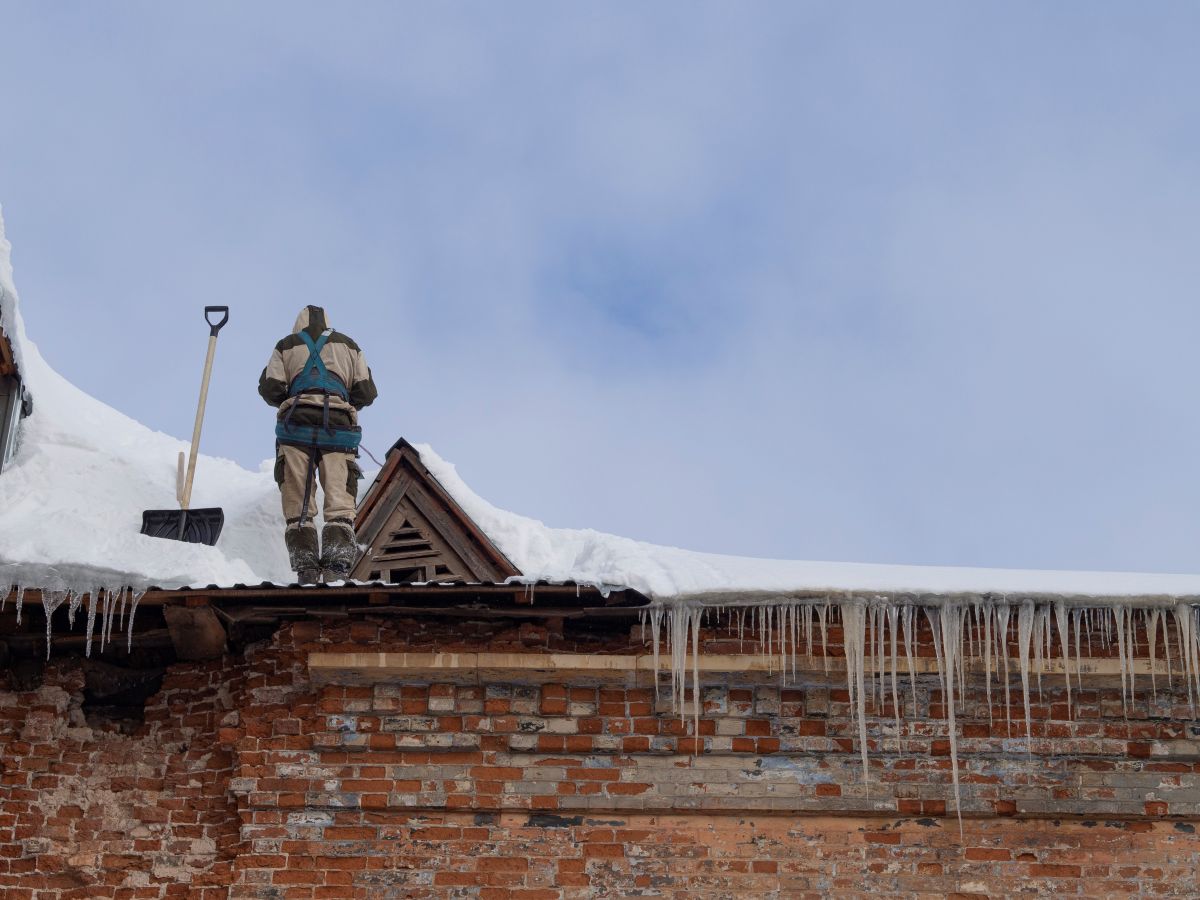
When snow and ice pile up on a flat or low-slope roof, the consequences can go from manageable to catastrophic fast. Commercial roof snow removal is one of the most overlooked aspects of winter property maintenance, yet it is one of the most critical. Excess snow load can compromise structural integrity, trigger membrane failures, and result in costly interior damage. If your building is in the Mooresville and surrounding areas, knowing how to handle this safely before a storm cycle ends could protect your investment for years to come. Learn more about keeping your commercial roof in top shape year-round.
Here is what you will learn in this guide:
- Why snow accumulation is a serious risk for commercial rooftops
- The five safest and most effective snow removal methods
- What tools and equipment professionals use on the job
- Common mistakes property owners make during winter roof maintenance
- When to call a professional versus handle it in-house
- How your roof type affects the safest removal approach
Why Snow Load Is a Bigger Threat Than You Think

Most commercial property owners focus on heating systems, pipes, and entryways when winter arrives. The roof, however, is silently bearing the weight of every snowfall. A single cubic foot of wet, packed snow can weigh upward of 20 pounds. Multiply that across a 10,000 square foot flat roof, and you are looking at potentially hundreds of thousands of pounds bearing down on your structure.
Commercial roofs are especially vulnerable because they tend to have low slopes or are entirely flat, which means snow does not naturally shed the way it does on a steep residential pitch. When temperatures fluctuate, partial melts refreeze and create ice dams that block drainage, leading to pooling water that seeps under membranes and into the building.
Here is why this matters beyond just the weight:
- Structural integrity: Excess load stresses joists, decking, and support beams, sometimes to the point of failure, which can happen without warning.
- Membrane damage: TPO, PVC, and EPDM roofing systems can crack or separate under the freeze-thaw cycle when water is trapped beneath or within seams.
- Ice dam formation: When meltwater cannot drain properly, it refreezes at the roof’s edge, creating ice dams that force water backward under roofing materials.
- Drainage system failure: Gutters, scuppers, and drains that are blocked by ice cannot do their job, leading to water intrusion and interior damage.
- Insurance and liability exposure: Neglecting known snow accumulation issues can complicate insurance claims and expose property owners to liability if the building is compromised.
Understanding these risks is the first step. The second step is knowing how to address them safely and effectively.
5 Safe Methods for Commercial Roof Snow Removal
Commercial roofs require a completely different approach than clearing a sidewalk or driveway. The wrong tools, the wrong technique, or the wrong timing can cause more damage than the snow itself. Below are the five methods professionals rely on most, along with what each involves and when it makes the most sense to use it.
1. Roof Rakes with Extended Handles
For lower-profile commercial structures or accessible roof edges, a long-handled roof rake allows workers to pull snow down from the ground level or from a ladder without stepping onto the roof surface itself. This is one of the safest starting points because it eliminates fall risk and reduces the chance of puncturing or scratching the membrane.
Key considerations for this method:
- Use plastic or rubber-tipped rakes rather than metal to avoid gouging membrane surfaces
- Work in straight, even passes rather than angled pulls that can catch on seams or flashing
- Start at the outer edge and work inward in sections to avoid redistributing weight toward drainage points
This method works well for the initial stages of removal but typically cannot address the full depth of heavy accumulation on larger rooftops.
2. Snow Blowers Designed for Rooftop Use
Specially designed rooftop snow blowers are lighter and lower-profile than standard equipment, and they are built to move snow off the surface without contacting the membrane directly. These machines are often used by professional roofing crews who regularly manage snow removal contracts throughout Mooresville and surrounding areas during active winter seasons.
A few important notes on this method:
- Only use blowers rated for rooftop or low-clearance use to avoid membrane abrasion
- Keep the intake guard adjusted to stay a couple of inches above the membrane surface
- Avoid using this method near roof penetrations, skylights, or HVAC curbs where the equipment could snag
Snow blowers significantly reduce labor time on large commercial rooftops, making them a practical choice when accumulation is deep and widespread.
3. Plastic Shovels and Non-Abrasive Hand Tools
When precision is needed around drains, flashing, curbs, and rooftop equipment, hand shoveling with plastic or composite-tipped tools is often the right choice. Metal shovels are never appropriate for membrane roofing surfaces and can void manufacturer warranties in some cases.
Best practices for hand removal:
- Leave a thin layer of snow over the membrane rather than scraping down to bare material, which reduces friction damage
- Clear drainage points first so that melting water has an exit path as work progresses
- Wear soft-soled shoes or specialized rooftop footwear that will not puncture or scuff the surface
This method is time-intensive but allows for detailed work in tight areas where machinery cannot safely operate.
4. Calcium Chloride Ice Melt Application

When ice dams have already formed or frozen snow has bonded to the roof surface, calcium chloride is the preferred ice-melt product for commercial roofing. Unlike rock salt or sodium chloride, calcium chloride is far less corrosive to metal flashings, fasteners, and drainage components.
Here is how to apply it correctly:
- Use calcium chloride in sock or tube form placed perpendicular to the roof edge to create melt channels that allow trapped water to drain
- Never apply sodium chloride or potassium chloride directly to a TPO or EPDM membrane, as these can degrade the material over time
- Allow adequate dwell time before expecting results in very cold temperatures, since even calcium chloride slows significantly below 0 degrees Fahrenheit
Property owners in Mooresville and surrounding areas who experience repeated ice dam formation may also want to address the underlying drainage design with a professional inspection once winter clears.
5. Professional Heated Cable Systems (Preventive)
One of the most effective long-term solutions is the installation of roof heating cables or heat trace systems along vulnerable drainage paths, valley areas, and roof edges. Rather than removing snow reactively, these systems prevent ice accumulation from forming in the first place.
Benefits of heat cable systems include:
- Self-regulating cables adjust their output based on ambient temperature, reducing energy consumption
- Targeted installation at drain locations and scuppers keeps water moving even during severe freeze events
- Professional installation ensures cables do not interfere with membrane warranties or rooftop equipment
While this represents a higher upfront investment, many commercial property managers in the greater Mooresville and surrounding areas region find that preventive systems dramatically reduce both emergency removal costs and the risk of interior damage over a multi-year period.
Tools and Equipment Professionals Bring to the Job
Understanding the equipment involved in professional snow removal gives property owners a clearer picture of what they are paying for and why it matters. A crew showing up with nothing but metal shovels is a red flag. A qualified roofing professional approaches the job with the right setup from the start.
Safety Gear and Fall Protection
Before any work begins on an elevated roof surface, OSHA-compliant fall protection must be in place. This includes:
- Anchor points and safety harnesses rated for rooftop work
- Non-slip footwear designed specifically for icy or wet roof conditions
- High-visibility vests when working near loading areas, parking lots, or active business operations
Fall-related injuries are the leading cause of fatalities in the construction and roofing industries, and snow removal on commercial roofs is no exception. Any contractor who does not take fall protection seriously should not be trusted with your roof.
Infrared and Thermal Scanning Equipment
After snow removal is complete, experienced roofing professionals may perform an infrared scan to identify areas where moisture has already infiltrated the roofing system. Wet insulation shows up as warm spots in thermal imaging because it retains heat differently than dry material. Catching this early prevents mold growth, insulation degradation, and structural rot from going undetected through the rest of winter.
Documentation Tools
Professional crews document the condition of the roof before, during, and after removal with photos and video. This serves two purposes: it protects the contractor from liability claims related to pre-existing damage, and it gives property owners a detailed record that can support insurance claims or maintenance planning going forward.
Common Mistakes Commercial Property Owners Make
Even well-intentioned property owners can make decisions during winter that create bigger problems down the road. Awareness of these pitfalls is just as valuable as knowing the right removal methods.
- Using the wrong tools: Metal shovels, ice picks, and standard rooftop ice melt products can cause irreparable damage to commercial membranes. Once a TPO or PVC surface is gouged or chemically degraded, repairs can be extensive and expensive.
- Waiting too long to act: Some property owners wait until they see active leaks before addressing roof snow load. At that point, the membrane has already been compromised and water has entered the structure. Proactive removal after significant accumulation events is always the better approach.
- Ignoring the drainage system: Clearing the roof surface without also clearing scuppers, gutters, and interior drains is only half the job. If water cannot exit the roof, removal efforts are undermined the moment temperatures rise and melting begins.
- Hiring unqualified contractors: Anyone with a shovel can offer snow removal, but commercial rooftops require specific knowledge of membrane systems, load distribution, and fall protection. Always verify that a contractor carries proper insurance and has documented experience with commercial roofing.
- Overloading disposal areas near the building: When large volumes of snow are removed from a roof, where that snow lands matters. Piling it against the building’s foundation walls or near basement access points creates a new moisture intrusion risk as it melts.
- Skipping a post-removal inspection: Once the roof has been cleared, a visual inspection of seams, flashings, drains, and penetrations can catch small issues before they become significant repairs. Factoring this into the removal process is standard practice for any reputable roofing crew.
Protecting Your Roof Investment All Winter Long

A single reactive snow removal event is not a winter maintenance plan. Commercial property owners who get the best long-term results from their roofing systems take a layered, proactive approach that combines preparation, monitoring, and professional support.
Start by having a pre-season roof inspection completed before the first snowfall. A qualified roofer can identify vulnerable areas, check drainage functionality, assess membrane condition, and note any sections where snow accumulation will be most problematic. In communities like Mooresville and surrounding areas, where winter weather can bring unexpected ice events even in mild years, this step alone can prevent significant damage.
Establish clear thresholds for when removal should begin. Many structural engineers recommend initiating snow removal when accumulation reaches six inches on a flat commercial roof, though that number should be calibrated based on your specific building’s load rating and the density of the snow.
Keep a log of all inspections, removal events, and any repairs made to the roof throughout the season. This documentation protects your investment, supports insurance claims, and provides valuable information if membrane issues arise in the spring.
Finally, build a relationship with a trusted commercial roofing contractor before winter arrives. Emergency calls during an active snow event often come with higher costs and longer response times. Having a contractor who knows your building and can respond quickly is a significant advantage.
Ready to Protect Your Commercial Roof This Winter?
Snow and ice are not a seasonal inconvenience for commercial property owners. They are a genuine structural risk that demands a real plan. Understanding the methods, tools, and best practices outlined in this guide puts you in a much stronger position to protect your building, your tenants, and your bottom line through the coldest months of the year.
At Great State Roofing, we work with commercial property owners throughout the region to address exactly these kinds of seasonal challenges. Whether you need a pre-winter inspection, guidance on the right removal approach for your specific roof system, or a contractor you can trust when the temperature drops, we are here and ready to help.
Do not wait for a leak to tell you there is a problem. Contact us today to schedule an assessment and make sure your commercial roof is ready for whatever winter brings.
Very professional. Quality work. I would highly recommend for any roofing needs.

Matt V

