

Asphalt Roof Rejuvenation (Extend Life Without Replacement)
Posted 5.05.26 | 11 Minute Read
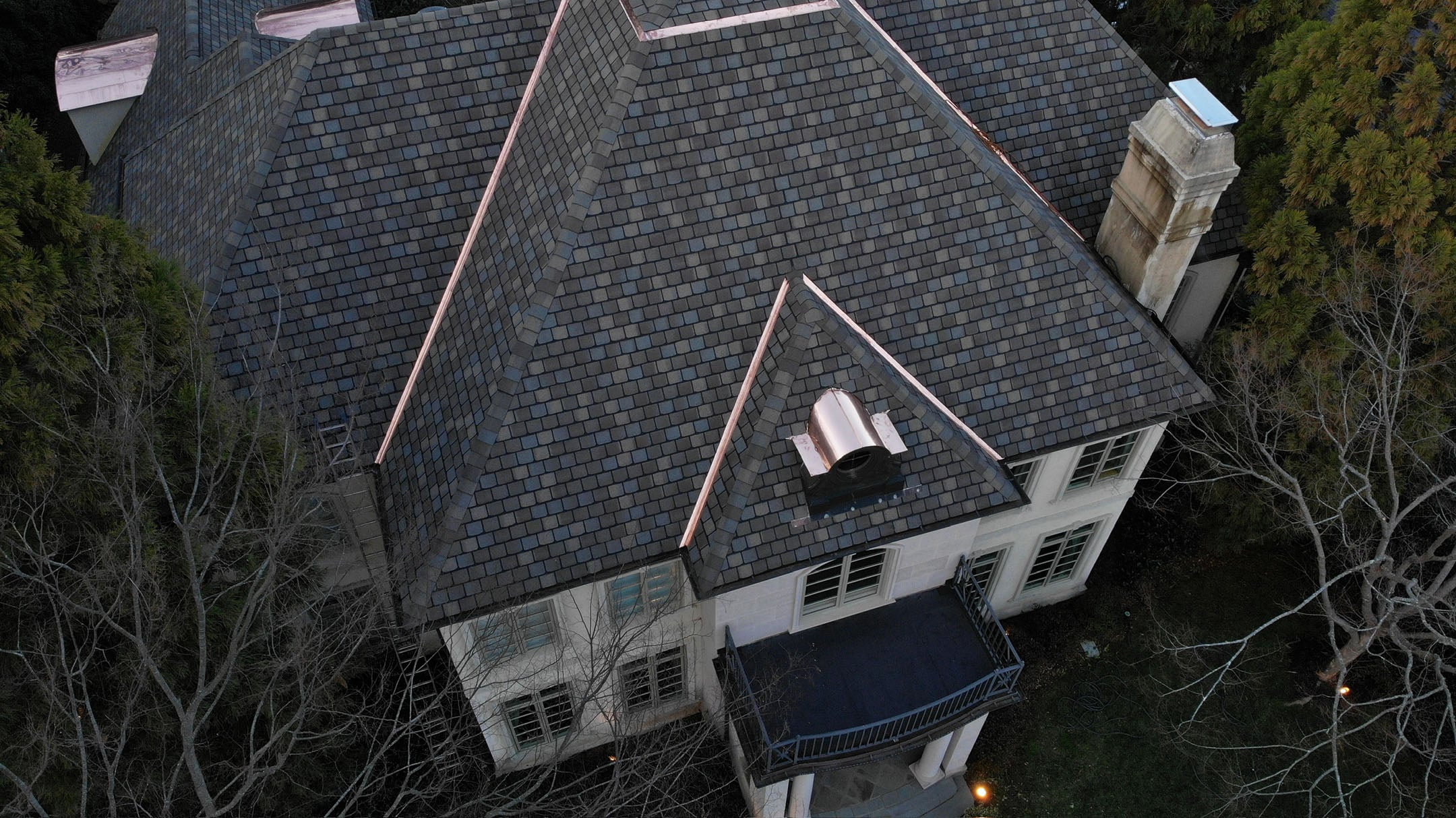
Most homeowners assume that once an asphalt roof starts showing its age, replacement is the only option. That assumption costs money that does not always need to be spent. Asphalt roof rejuvenation is a proven treatment process that restores the oils and flexibility that asphalt shingles lose over time, extending the functional life of a roof that still has sound structural integrity. It is not a cosmetic fix or a stopgap measure. It is a science-backed approach to roof maintenance that homeowners exploring what proper residential roofing care actually looks like are increasingly choosing over premature full replacement.
Here is what you will learn in this guide:
- Why asphalt shingles degrade and what rejuvenation actually does to reverse that process
- How the rejuvenation treatment is applied and what to expect during and after the process
- How to determine whether your roof is a good candidate for rejuvenation or genuinely needs replacement
- What results homeowners can realistically expect and how long they last
- How rejuvenation compares to replacement on cost, disruption, and environmental impact
- What questions to ask a contractor before scheduling a rejuvenation treatment
Why Asphalt Shingles Age Faster Than They Should

Understanding why asphalt shingles degrade is the key to understanding why rejuvenation works. Asphalt shingles are not simply layers of tar and gravel. They are engineered composites that rely on a precise balance of oils within the asphalt matrix to maintain flexibility, adhesion, and weather resistance. These oils, called maltenes, are what keep shingles pliable enough to expand and contract with temperature changes without cracking and dense enough to resist water infiltration and granule loss.
The problem is that the maltene oils in asphalt shingles evaporate over time through a process called oxidation, which is accelerated by UV exposure, heat cycling, and the natural aging of the petroleum-based compounds in the shingle. As these oils leave the asphalt matrix, shingles become progressively more brittle, more prone to cracking, and more likely to shed granules that were providing UV protection and water-shedding performance. In areas like Rock Hill and surrounding areas, where summer UV intensity and temperature swings place real thermal stress on roofing materials, this oxidation process moves faster than many homeowners realize.
Here is why addressing this degradation proactively changes the outcome for your roof:
- Brittleness reversal: Rejuvenation treatments replenish the maltene oils that have been lost to oxidation, restoring flexibility to shingles that have become stiff and crack-prone. Flexible shingles handle thermal cycling without developing the micro-fractures that allow water infiltration.
- Granule retention improvement: As the asphalt matrix loses oils and hardens, it loses its grip on the embedded granules that provide UV protection and surface texture. Rejuvenation restores the binding quality of the asphalt, reducing ongoing granule loss and extending the UV protection those granules provide.
- Water resistance restoration: Dried-out asphalt becomes porous and absorbs moisture rather than shedding it. Replenishing the oil content restores the hydrophobic properties of the asphalt matrix, improving water resistance across the entire shingle surface.
- Service life extension: Independent testing of leading rejuvenation products has documented meaningful extensions in shingle service life following treatment, with some studies showing five to fifteen years of additional functional life on shingles that would otherwise have required replacement within a few years.
- Cost efficiency: Rejuvenation costs a fraction of full roof replacement while delivering meaningful life extension on a roof that still has sound structural integrity. For homeowners who can extend a roof’s life by a decade or more with a single treatment, the return on investment is difficult to match with any other roofing expenditure.
5 Steps to Understanding How the Asphalt Roof Rejuvenation Process Works
Rejuvenation is not a one-size-fits-all treatment, and the process varies somewhat depending on the product being used and the condition of the roof. Understanding what the application involves from assessment through post-treatment evaluation helps homeowners set realistic expectations and evaluate contractor proposals with more confidence.
1. Pre-Treatment Roof Assessment
Before any rejuvenation product is applied, a qualified contractor should conduct a thorough inspection of the roof to confirm that rejuvenation is appropriate for its current condition. This assessment evaluates shingle integrity, decking condition visible from the attic, the condition of flashings and penetrations, and any areas of existing damage or active leakage.
Rejuvenation works on oxidized but structurally sound shingles. It is not appropriate for shingles that are already cracked through, curling severely at the edges, missing granules across large sections, or so aged that the mat beneath the asphalt has deteriorated. A contractor who recommends rejuvenation without conducting a meaningful assessment is not giving you a complete picture of your roof’s condition.
Assessment outcomes that support rejuvenation:
- Shingles that are stiff and brittle but still flat and intact
- Moderate granule loss without exposed mat areas
- Flashings in acceptable condition that are not actively leaking
- Decking that shows no signs of rot, delamination, or moisture damage from attic inspection
2. Roof Surface Cleaning and Preparation
A rejuvenation treatment applied over a dirty, algae-covered, or debris-laden roof surface will not achieve uniform penetration into the shingle matrix. Proper preparation typically involves clearing debris from the roof surface, treating any algae or moss growth that is present, and allowing the surface to dry completely before treatment application.
This preparation step also gives the contractor a cleaner view of the shingle condition across the full roof surface, which may reveal localized areas of more significant damage that should be addressed with spot repairs before the rejuvenation treatment is applied.
3. Product Application
The rejuvenation treatment itself is typically a liquid concentrate applied by spray to the full roof surface. Leading products in this category are plant-derived or petroleum-derived oil formulations specifically engineered to penetrate the dried asphalt matrix and replenish the maltene fraction that has been lost to oxidation.
Application details that matter:
- Coverage rate should follow the manufacturer’s specification precisely, as both under-application and over-application affect performance outcomes
- Application in moderate temperatures with no rain forecast for a sufficient curing period is essential for the product to penetrate and bond correctly
- Valleys, ridges, hip caps, and penetration flashings should all be covered as part of the treatment since they are subject to the same oil depletion as field shingles
- Some products require a single application while others achieve better results with two lighter applications that allow initial penetration before a second coat
4. Post-Application Curing Period
After application, the treatment needs time to penetrate the asphalt matrix and redistribute through the shingle structure. During this period, typically 24 to 72 hours depending on the product and weather conditions, foot traffic on the treated surface should be minimized and rainfall should be avoided if possible.
The visual appearance of the shingles may change somewhat as the treatment penetrates, with some products producing a slightly darker appearance initially that normalizes as the treatment cures. Some homeowners in the Rock Hill and surrounding areas find that rejuvenated shingles also show modest improvement in color uniformity as the treatment distributes evenly across surfaces that had developed uneven oxidation patterns.
5. Post-Treatment Inspection and Documentation

A responsible contractor completes the project with a post-treatment inspection that confirms even coverage across the full roof surface and documents the condition of the roof at the time of treatment. This documentation is valuable for warranty purposes, for tracking the roof’s condition over subsequent inspection cycles, and for any future insurance or resale conversations where the roof’s maintenance history is relevant.
Some rejuvenation product manufacturers offer extended warranties on the treated roof when the application is performed by a certified contractor, and the post-treatment documentation supports those warranty claims if needed.
Is Your Roof a Good Candidate for Rejuvenation?
Not every asphalt roof is a suitable candidate for rejuvenation, and distinguishing between a roof that will respond well to treatment and one that genuinely needs replacement requires honest assessment of several specific factors. Working through this checklist helps homeowners approach the decision with realistic expectations.
- Age of the existing roof: Rejuvenation works best on roofs in the middle portion of their expected service life, typically between 7 and 20 years old for standard three-tab and architectural shingles. Very new roofs do not need it. Very old roofs where the shingle structure has deteriorated beyond the ability of oil replenishment to restore meaningful performance are better served by replacement.
- Shingle condition assessment: Examine shingles for brittleness by gently pressing on a shingle surface from the edge. Shingles that feel stiff and resist slight flexing without cracking are oxidized and good candidates for treatment. Shingles that crack under gentle pressure have already progressed beyond what rejuvenation can meaningfully reverse.
- Granule coverage: Check gutters and downspout discharge areas for granule accumulation, which indicates the rate of granule loss from the roof surface. Moderate granule loss with most of the shingle surface still covered indicates a good candidate. Extensive granule loss with exposed mat areas or bare patches indicates that the shingle surface has deteriorated past the point where rejuvenation delivers meaningful value.
- Structural integrity: No rejuvenation treatment repairs a roof with damaged decking, active leaks at flashings, failing ice and water shield at valleys, or compromised underlayment. These structural issues must be addressed before treatment, and if they are extensive, the cost of those repairs combined with treatment may approach or exceed the cost of targeted replacement sections.
- Roof geometry and accessibility: Rejuvenation is applied across the entire roof surface, and areas that are not accessible for thorough coverage will not benefit from treatment. Very complex rooflines with numerous valleys, dormers, and transitions may present application challenges that affect the uniformity and completeness of coverage.
Rejuvenation vs. Full Replacement: Making the Right Call
The decision between rejuvenation and replacement is ultimately a financial and practical one that depends on the specific condition of the roof, the homeowner’s timeline, and their long-term plans for the property. Here is a straightforward comparison across the factors that matter most.
| Factor | Rejuvenation | Full Replacement |
| Typical Cost | 15 to 25 cents per square foot | $3.50 to $7.00+ per square foot |
| Project Duration | Half day to one day | One to three days |
| Life Extension | 5 to 15 years depending on condition | New full lifespan (25 to 50 years) |
| Best Candidate | Oxidized but structurally sound roof | Structurally compromised or end-of-life roof |
| Disruption Level | Minimal | Significant (noise, debris, access) |
| Landfill Impact | None | Significant (old shingles to disposal) |
| Warranty | Product warranty varies by brand | Full manufacturer warranty on new system |
| Repeat Treatment | Possible at 5 to 7 year intervals | Not applicable |
The table makes the financial case for rejuvenation on appropriate candidates clear. The right scenario for replacement is equally clear: when structural issues are present, when the roof has already exceeded its practical service life, or when the homeowner is planning a property upgrade that benefits from a fresh installation. For homeowners in the Rock Hill and surrounding areas whose roofs are structurally sound but showing signs of accelerated oxidation, rejuvenation delivers a return on investment that replacement simply cannot match.
What to Ask a Contractor Before Scheduling Treatment

Rejuvenation has grown in popularity, and with that growth has come variability in the quality of products and application practices in the market. Asking the right questions before hiring a contractor protects you from treatments that are applied incorrectly, use lower-quality products, or are recommended for roofs that are not actually good candidates.
- What product are you using and what is its active ingredient? Leading rejuvenation products are bio-based or petroleum-derived oil formulations with published independent testing data. Ask for the product name and look up its performance documentation before approving the treatment.
- Are you certified by the product manufacturer? Several leading brands require contractor certification for warranty-backed applications. Certification indicates that the contractor has been trained on proper application rates and techniques for that specific product.
- What does your pre-treatment assessment include? A contractor who cannot describe a meaningful inspection process before recommending treatment is not giving you a complete picture of whether your roof is actually a good candidate.
- What is included in the warranty? Understand whether the warranty covers the product’s performance, the application workmanship, or both, and what conditions apply to make a warranty claim valid.
- Do you have references from similar projects in this area? Local references from comparable roof types and ages give you the most relevant basis for evaluating a contractor’s experience with rejuvenation specifically.
Give Your Roof More Life Before Writing It Off
A roof that looks tired and weathered is not automatically a roof that needs to be replaced. In many cases, what it needs is what it has lost: the natural oils that keep asphalt flexible, water-resistant, and capable of protecting the home for years to come. Asphalt roof rejuvenation restores those properties at a cost that is a fraction of replacement, with minimal disruption and a roof’s remaining service life.
At Great State Roofing, we help homeowners throughout the Rock Hill and surrounding areas make smart, informed decisions about their roofs rather than expensive ones driven by the assumption that replacement is always the answer. If your roof is showing signs of aging but you are not sure whether it needs treatment or full replacement, our team will give you an honest assessment and a clear recommendation.
You do not have to guess what your roof needs. Contact us today to schedule a professional inspection and find out whether asphalt roof rejuvenation is the right solution for your home.
Very professional. Quality work. I would highly recommend for any roofing needs.

Matt V

