

Charlotte Roof Storm Preparation: What Homeowners Should Check Before Peak Hurricane Season
Posted 9.03.26 | 5 Minute Read
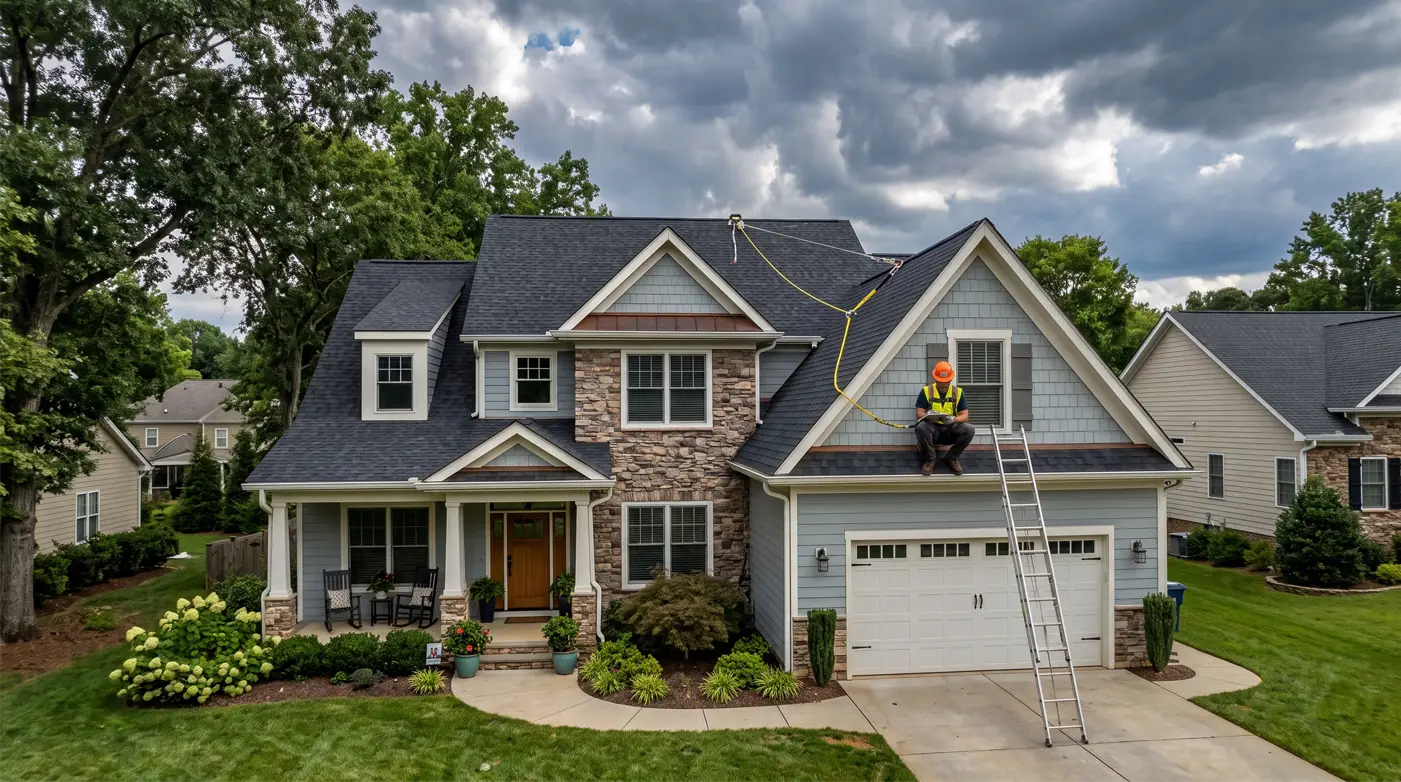
September is an important month for Charlotte homeowners to think about roof condition.
The Atlantic hurricane season officially runs from June through November, but historical data from the National Hurricane Center shows that tropical activity typically reaches its highest point around September 10. Most activity occurs between mid-August and mid-October.
That does not mean a hurricane is headed toward Charlotte. In fact, as of September 3, 2026, the National Hurricane Center does not expect new tropical cyclone formation in the Atlantic during the next seven days.
For homeowners, a quiet forecast can actually be the best time to inspect a roof.
Once a storm is approaching, roofing contractors become busier, weather conditions make inspections more difficult, and homeowners have less time to address existing problems.
Why Hurricane Season Matters in Charlotte, NC
Charlotte is well inland from the North Carolina coast, but inland properties can still experience weather associated with tropical systems.
Heavy rain, gusty winds and falling tree branches can affect roofing systems without a hurricane making a direct impact on Charlotte.
Regular thunderstorms are another concern. The National Weather Service reports that thunderstorms are common throughout the Carolinas and can produce heavy rain, hail and damaging wind.
A roof does not have to fail completely to create a problem. Water only needs one vulnerable area to enter the roofing system.
1. Look for Missing or Lifted Shingles
Shingles are the first line of defense against rain.
A missing shingle is usually easy to recognize, but lifted, cracked or poorly sealed shingles may be much harder to identify from the ground.
Wind can place additional stress on already weakened shingles. Once an edge lifts, wind-driven rain may be able to reach areas beneath the visible roofing surface.
Older roofs deserve additional attention before storm season peaks.
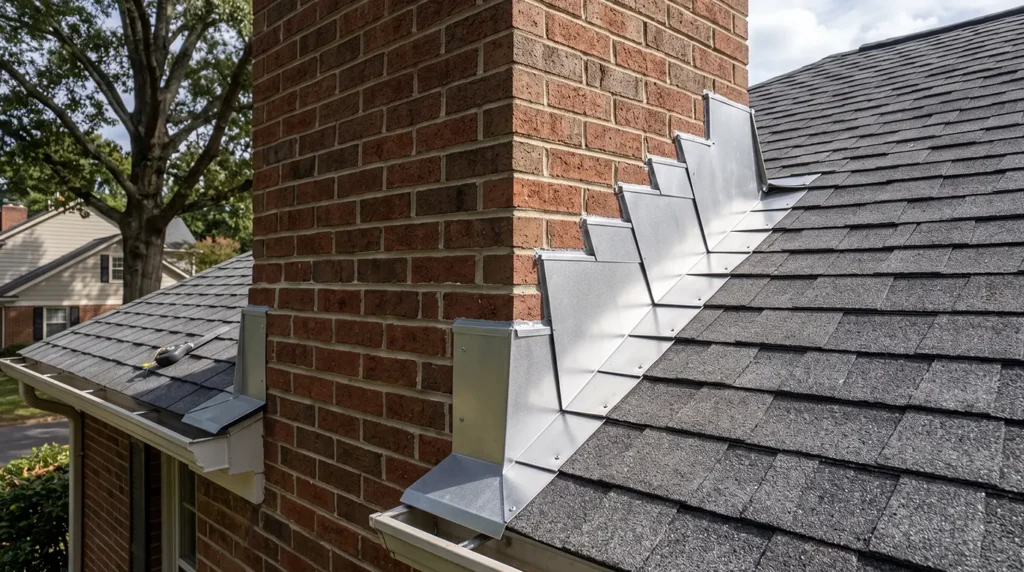
2. Check Roof Flashing
Many roof leaks do not begin in the middle of the roof.
They begin around transitions and penetrations.
Common problem areas include:
- Chimneys
- Skylights
- Plumbing vents
- Walls meeting the roof
- Valleys
- Roof-to-wall transitions
Flashing helps direct water away from these vulnerable areas.
Loose, damaged or deteriorated flashing should be addressed before several inches of rain reveal the problem inside the house.
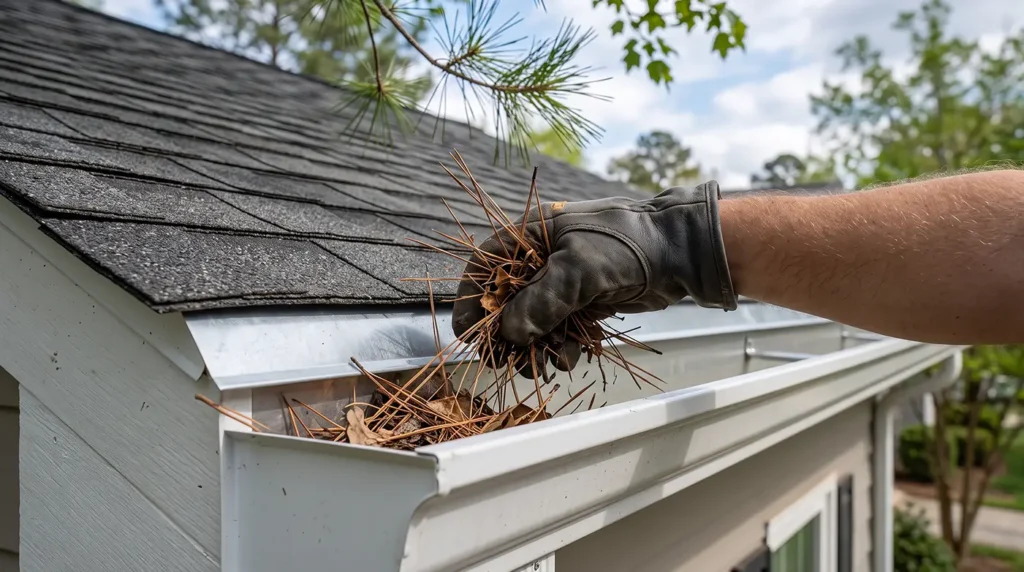
3. Make Sure Gutters Can Handle Heavy Rain
Gutters are part of the roofing system’s drainage strategy.
When gutters fill with leaves, pine needles and debris, water may overflow or back up along the roof edge.
Before fall storms arrive, homeowners should confirm that gutters and downspouts are clear and securely attached.
Downspouts should also move water away from the home’s foundation.
4. Inspect Trees Around Your Home
Charlotte neighborhoods often have large, mature trees.
Branches touching or hanging close to the roof can scrape roofing materials, clog valleys and gutters or fall during high winds.
Homeowners should consider having potentially hazardous branches evaluated before severe weather rather than after a branch damages the roof.
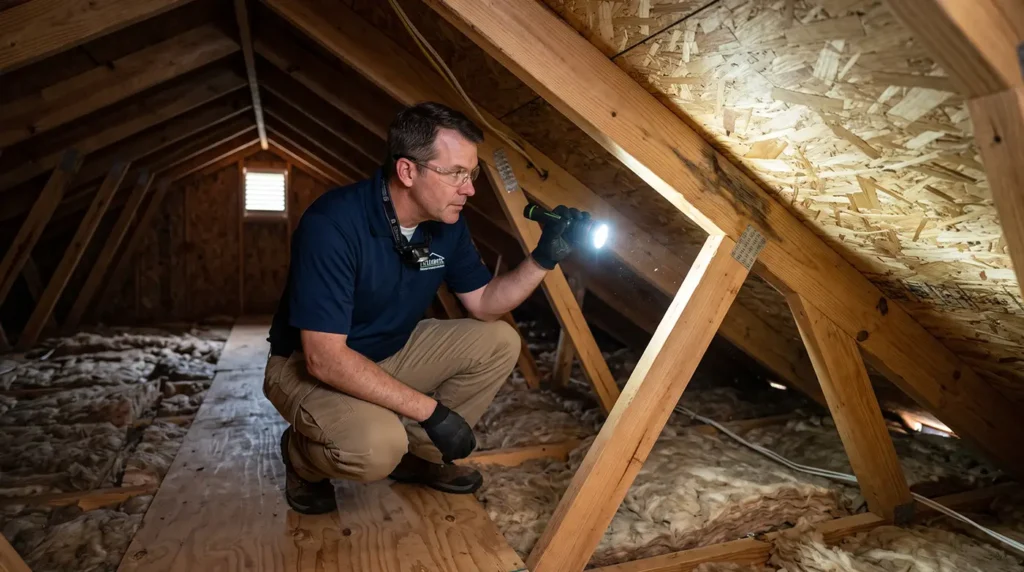
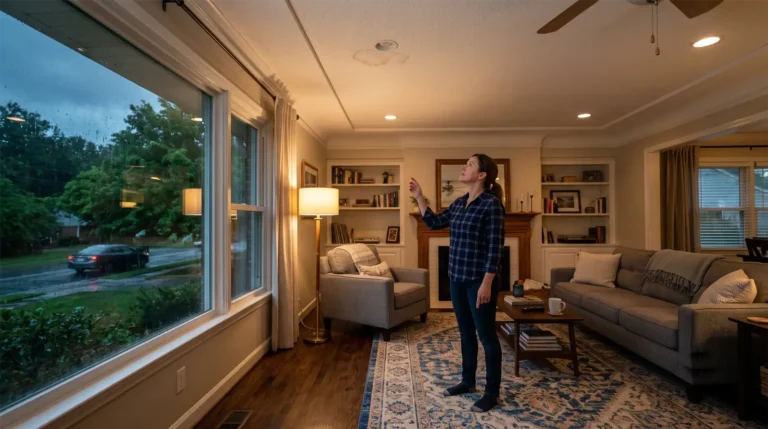
5. Check Your Attic
Some roof problems are easier to identify from inside the home.
Look for:
- Dark stains
- Damp decking
- Wet insulation
- Discoloration around penetrations
- Musty odors
- Daylight visible through unexpected openings
An old water stain does not necessarily mean there is an active leak, but it is worth investigating before another major rain event.
6. Pay Attention to Skylights and Roof Penetrations
Skylights, pipe boots and other penetrations require proper sealing and flashing.
Materials around these areas can deteriorate before the main roofing material reaches the end of its service life.
If you have previously experienced a leak around a skylight or vent, consider having that area checked before hurricane season reaches its peak.
7. Document Your Roof Before a Storm
Take photographs of the home and roof from safe ground-level locations.
If you recently had a roof inspection, replacement or repair, keep the proposal, invoices, warranty information and photographs.
After a severe storm, documentation can make it easier to determine whether damage is new or related to an older condition.
What to Check After a Charlotte Storm
After significant wind, hail or heavy rain, walk around the property once conditions are safe.
Look for shingles or roofing pieces on the ground, damaged gutters, fallen branches and visible changes to the roof.
Inside the house, check ceilings and attic areas for moisture.
Do not climb onto a wet or potentially damaged roof. Storm damage can create unstable and slippery conditions.

Schedule a Charlotte Roof Inspection
Preparing before severe weather is usually easier than dealing with an emergency leak after a storm.
Great State Roofing provides roof inspections, roof repairs, roof replacements and storm damage roofing services throughout Charlotte, NC.
Our team works with asphalt shingles, standing seam metal roofing, custom copper roofing and other residential and commercial roofing systems.
If your roof is aging, has a history of leaks or has experienced previous storm damage, schedule an inspection before fall storm season.
Request a roof inspection at GreatStateRoof.com or call 704-912-1240.
Very professional. Quality work. I would highly recommend for any roofing needs.

Matt V

