

Commercial Roof Warranty: What’s Covered 2026
Posted 11.13.25 | 8 Minute Read
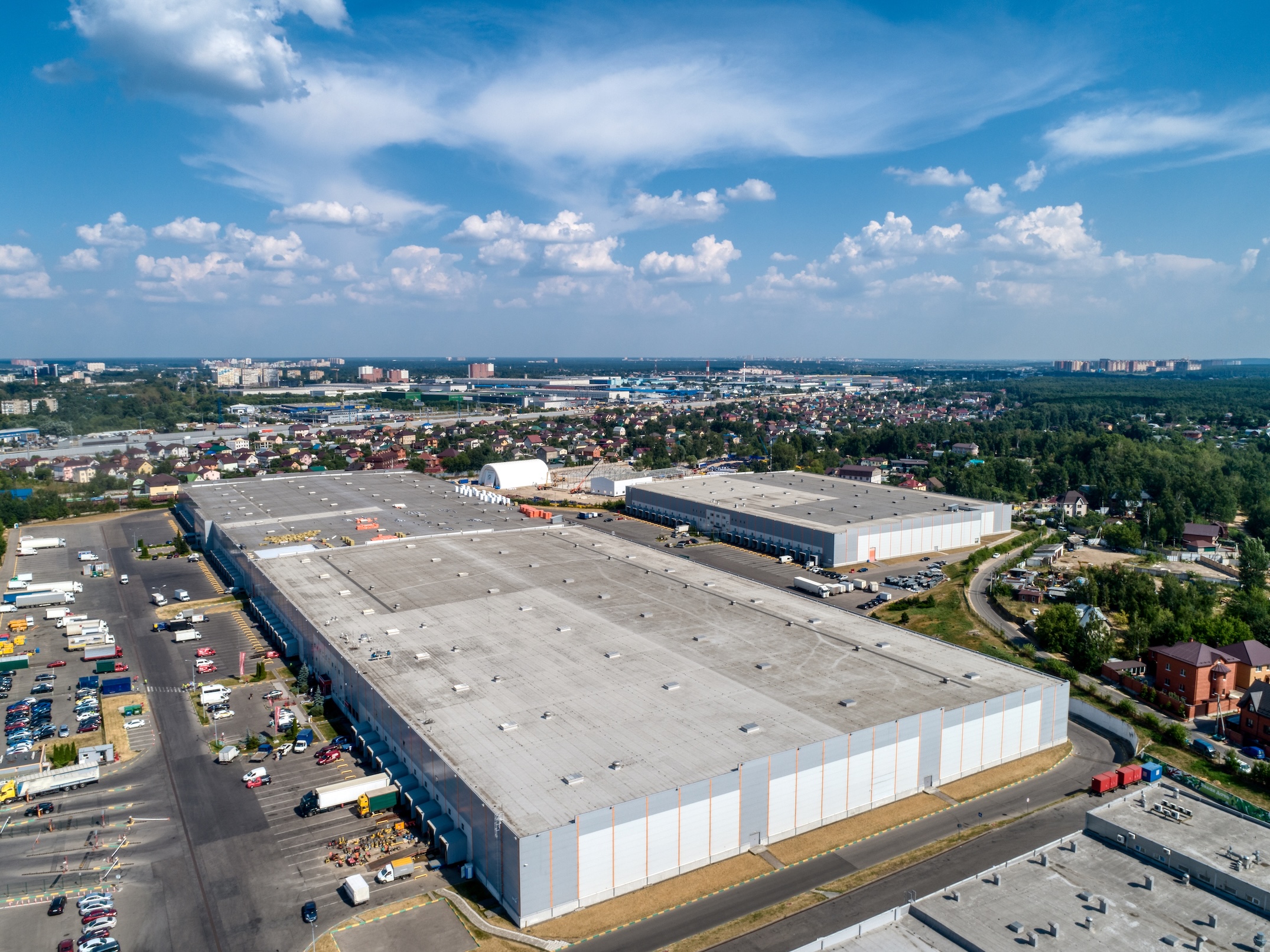
If you manage or own a commercial building in Huntersville and surrounding areas, your roof isn’t just part of the structure—it’s part of your investment. Whether you’re overseeing a warehouse, office complex, or retail space, understanding your commercial roof warranty could be the difference between a covered repair and an unexpected expense. Many property owners assume their warranty protects against all types of damage, but commercial roof warranties have important limitations that often surprise building owners later.
You can explore more about your options through our commercial roofing services page for in-depth information on system types, materials, and maintenance plans.
Here’s what you’ll learn in this guide:
- The main types of commercial roof warranties and what each one covers
- Common exclusions that often surprise property owners
- How to maintain your warranty coverage over time
- The role of manufacturers, contractors, and building owners in protecting warranty validity
- Key insights specific to commercial properties in Huntersville and surrounding areas
Why Understanding Your Roof Warranty Protects Your Investment

Commercial roofs are major financial commitments. They often cover large square footage, include complex drainage systems, and must withstand years of exposure to heat, rain, wind, and debris. That’s why warranties play such a critical role—they’re your financial safety net if something goes wrong after installation.
Unfortunately, many property owners misunderstand how warranties work until a problem occurs. Understanding your warranty in advance gives you leverage when you need it most and ensures you don’t lose coverage due to preventable mistakes.
Here are key reasons every commercial property owner should understand their roof warranty:
- Financial protection: A valid warranty can cover material defects, leaks, or premature failures—saving you thousands in repair costs.
- Risk reduction: Knowing what’s excluded helps you plan maintenance that minimizes risks not covered by the warranty.
- Asset longevity: Following manufacturer maintenance guidelines extends your roof’s life and ensures warranty compliance.
- Insurance alignment: A good warranty complements your insurance policy, providing layered protection against different types of damage.
- Resale value: A transferable or long-term warranty adds credibility when selling or leasing your property.
When properly understood and maintained, a roof warranty is more than paperwork—it’s a business strategy for safeguarding your building’s value.
3 Primary Types of Commercial Roof Warranties
Commercial roofing warranties vary by material, manufacturer, and contractor. To make sense of the options, let’s break down the three main types you’ll likely encounter and what each covers.
1. Manufacturer’s Material Warranty
This warranty covers defects in the roofing materials themselves—typically membranes, coatings, or insulation—produced by the manufacturer. If your roof fails due to poor manufacturing or premature material breakdown, this warranty helps cover replacement materials.
- Common coverage duration: 10 to 30 years
- Usually excludes installation errors or weather damage
- Often requires proof of routine maintenance to remain valid
Example: If your TPO membrane cracks prematurely under normal conditions, the manufacturer may provide replacement rolls at no cost. However, labor to remove and reinstall them might not be included.
2. Manufacturer’s Labor and Material Warranty
This more comprehensive warranty covers both materials and the labor to repair or replace them if a defect occurs. It’s sometimes called a “system warranty” or “no-dollar-limit (NDL)” warranty.
- Typically lasts between 15 and 30 years
- Covers repair costs if leaks or failures result from defective products or workmanship
- Usually contingent on approved contractor installation and periodic inspections
Manufacturers issue these warranties only after inspecting the completed roof and verifying that the installation meets their standards. They’re considered the gold standard for commercial roofing coverage.
3. Contractor or Workmanship Warranty
This warranty is issued directly by the roofing contractor and covers errors related to installation. It protects you if leaks or issues arise from improper sealing, flashing, or fastening.
- Coverage usually ranges from 1 to 10 years
- Only covers labor—not material defects
- Becomes invalid if other contractors alter the roof without permission
Contractor warranties give you peace of mind immediately after installation, but they should ideally be paired with a manufacturer-backed system warranty for full protection.
Quick Comparison Table
| Warranty Type | Covers Materials | Covers Labor | Duration | Issued By | Typical Limitations |
| Material Warranty | Yes | No | 10–30 years | Manufacturer | Excludes installation errors |
| Labor + Material Warranty | Yes | Yes | 15–30 years | Manufacturer | Requires approved installer & inspections |
| Contractor Warranty | No | Yes | 1–10 years | Roofing contractor | Limited to workmanship issues |
Each of these warranties serves a different purpose. The best coverage often involves layering them for maximum protection.
4 Key Things That Can Void a Commercial Roof Warranty

Even with the best materials and installation, warranties are only valuable if they remain valid. Many owners accidentally void their coverage without realizing it. Below are the four most common causes and how to avoid them.
1. Neglecting Routine Maintenance
All warranties require consistent roof maintenance. Skipping inspections or failing to clear debris can lead to leaks or structural damage the manufacturer won’t cover.
Be sure to:
- Schedule professional roof inspections at least twice a year
- Document maintenance and keep records for proof of compliance
- Remove standing water, branches, and debris promptly
2. Unauthorized Repairs or Alterations
If you allow another contractor to patch or alter your roof without approval from the warranty issuer, coverage may be voided. This includes HVAC or electrical contractors cutting into the roof membrane.
Avoid this by:
- Ensuring any roof penetration is approved and supervised by a certified roofing contractor
- Keeping detailed records of all service visits and repairs
3. Improper Use or Foot Traffic
Using your roof for purposes other than intended—like storage, signage installation, or frequent foot traffic—can damage membranes or coatings. Most warranties exclude wear and tear from these activities.
To stay covered:
- Limit roof access to authorized personnel
- Install designated walk pads for maintenance crews
4. Ignoring Storm Damage
If your roof suffers storm damage and you delay repairs, you may lose warranty coverage. Manufacturers often require you to report and fix damage within a specific time frame after a weather event.
Be proactive:
- Inspect after every major storm
- Notify your roofing contractor and warranty provider immediately
- Document photos and reports for insurance and warranty claims
By following these steps, you protect your coverage and your property investment.
How to Keep Your Commercial Roof Warranty Valid for Decades
Maintaining your warranty isn’t difficult—but it does require consistency. Building owners in Huntersville and surrounding areas can extend their warranty’s lifespan with a few disciplined practices.
Regular Professional Inspections
A certified roofing professional should inspect your roof at least twice a year—once in spring and once in fall. These inspections identify potential problems before they turn into expensive repairs.
Detailed Recordkeeping
Keep every inspection report, maintenance log, and repair invoice. If a warranty claim arises, thorough documentation proves that you’ve met all maintenance requirements.
Work With Approved Contractors
Many manufacturer warranties require that only approved or certified contractors perform installation and maintenance. Using unapproved companies can void your warranty.
Stay Ahead of Minor Issues
Small problems, such as punctures or lifted seams, can escalate quickly. Addressing them promptly prevents major leaks that might fall outside warranty coverage.
Plan Roof Access Policies
If your commercial building has HVAC units or rooftop utilities, set clear policies limiting who can access the roof. This prevents accidental damage and keeps your warranty intact.
Consistent care doesn’t just protect your warranty—it maximizes the lifespan of your roof and helps you budget predictably for the long term.
Common Warranty Exclusions Every Owner Should Know
Even comprehensive warranties have boundaries. Understanding what’s typically excluded helps you avoid surprises during a claim.
Common Exclusions
- Acts of nature: Severe storms, hail, or tornadoes are generally covered by insurance, not warranties.
- Improper drainage: Pooled water resulting from poor design or clogged drains may not qualify for coverage.
- Unauthorized alterations: Changes made without prior approval from the manufacturer or installer can nullify coverage.
- Neglect or misuse: Ignoring maintenance, using harsh chemicals, or walking on unprotected sections voids protection.
- Aging and wear: Normal aging, fading, or cosmetic discoloration are rarely covered.
Tips for Navigating Exclusions
- Review warranty paperwork thoroughly with your roofing contractor.
- Keep a maintenance checklist tied to warranty requirements.
- Ask your provider for clarification before scheduling any non-routine roof work.
When you know what isn’t covered, you can design a maintenance plan that fills those gaps and reduces risk.
What to Expect During a Warranty Claim

If you discover a leak or defect, the warranty claim process is straightforward when you’re prepared.
Here’s what typically happens:
- Contact your roofing contractor – They’ll inspect the issue and determine whether it’s likely covered.
- Submit documentation – Provide inspection reports, photos, and maintenance logs to support your claim.
- Manufacturer review – The manufacturer reviews the evidence and may send an inspector to verify the issue.
- Resolution – If approved, the manufacturer or contractor will repair or replace affected areas based on warranty terms.
Having accurate records and using approved contractors makes this process much smoother and faster.
Protect Your Commercial Investment with the Right Partner
A commercial roof is one of your building’s most valuable assets—and a properly managed warranty is what keeps it protected. When you understand your coverage, maintain it carefully, and partner with experienced professionals, your warranty becomes a long-term advantage, not just a document.
If you’re managing property in Huntersville or surrounding areas and want expert help reviewing or maintaining your commercial roof warranty, Great State Roofing can help. Our certified team installs, maintains, and inspects commercial roofing systems that meet manufacturer standards and qualify for extended warranty coverage. For inspections, maintenance plans, or warranty questions, contact us today and let Great State Roofing safeguard your property investment for the future.
Very professional. Quality work. I would highly recommend for any roofing needs.

Matt V

