

Metal Roof Insulation (5 Best Types & Materials)
Posted 1.15.26 | 7 Minute Read
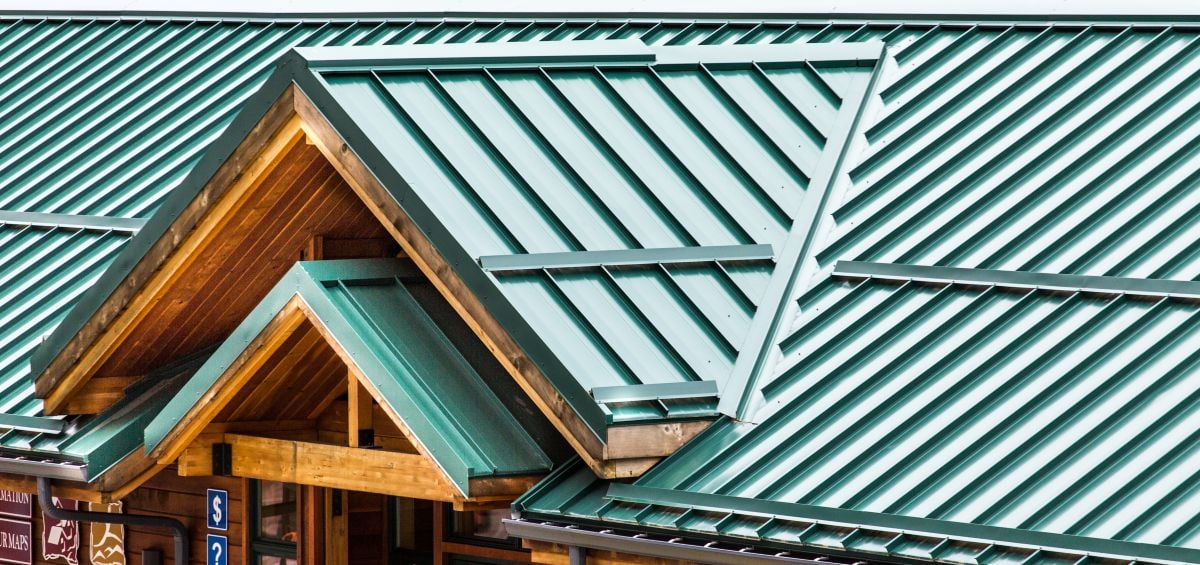
When it comes to protecting your home or commercial building, metal roof insulation is an essential component that often goes overlooked. Proper insulation not only enhances energy efficiency but also extends the lifespan of your metal roofing system by moderating temperature extremes. For those exploring reliable and high-performance roofing solutions, understanding the best types and materials for metal roof insulation can make a significant difference. If you want to learn more about metal roofing options and complementary insulation solutions, check out our detailed guide on metal roofing.
- Benefits: Why metal roof insulation is crucial for energy savings and durability.
- Types: Various insulation options tailored for metal roofs.
- Materials: The best materials that maximize insulation performance.
- Installation: Tips to ensure your insulation delivers optimal results.
- Maintenance: How to protect and maintain insulated metal roofs over time.
Why Metal Roof Insulation Matters for Your Building

Metal roofing is an increasingly popular choice due to its durability and aesthetic appeal, but metal itself has properties that demand effective insulation. Without proper insulation, metal roofs can contribute to heat loss in the winter and unwanted heat gain during warmer months. This inefficiency leads to higher energy bills and can deteriorate building comfort.
In addition, insulating metal roofs serves as a constructive barrier against condensation, protecting the roof structure from moisture damage and corrosion. Selecting the right insulation type and material is vital to maintain structural integrity and optimize energy efficiency in your home or business. This guide on black metal roof explores how color, material, and insulation work together to influence building efficiency and long-term comfort.
- Energy Efficiency: Reduces heating and cooling costs by controlling temperature flow.
- Condensation Control: Prevents moisture buildup that can lead to rust and structural issues.
- Sound Dampening: Minimizes rain and hail noise often associated with metal roofs.
- Longevity: Enhances roof durability by mitigating thermal shock and material fatigue.
5 Best Types of Insulation for Metal Roofs
Choosing the right insulation type is critical for achieving the best performance under a metal roof. Considering factors like climate, budget, and roof design will help you decide the most suitable insulation system. Below are five leading types of metal roof insulation used by experts. Property owners can explore dependable commercial roofing services in Fort Mill, SC for tailored recommendations and expert metal roof insulation support.
1. Rigid Foam Insulation Panels
Rigid foam panels are a popular choice due to their high R-value per inch, providing excellent thermal resistance in a relatively thin profile. These panels are typically made from polyisocyanurate (polyiso), polystyrene, or polyurethane.
- Pros: High durability, moisture resistance, and lightweight.
- Cons: Usually requires professional installation and adequate sealing.
2. Spray Foam Insulation
Spray foam insulation offers superior airtightness by expanding to fill gaps, cracks, and voids underneath the metal roofing. This type provides both insulation and moisture barrier benefits.
- Open-cell foam: Provides sound dampening but is less moisture resistant.
- Closed-cell foam: Denser with a higher R-value and strong water resistance.
3. Fiberglass Batts
Fiberglass batts are a traditional insulation material that can be installed beneath metal roofs within framing cavities. While cost-effective, they require proper vapor barriers to avoid moisture-related issues.
- Pros: Widely available and easy to install.
- Cons: Compression reduces effectiveness; susceptible to moisture damage.
4. Reflective Insulation
Reflective insulation uses foil-faced materials to reflect radiant heat away from the roof surface, which is especially useful in hot climates. It is often combined with other insulation types for enhanced performance.
- Advantages: Reduces cooling loads by reflecting up to 97% of radiant heat.
- Installation consideration: Requires an air gap to function correctly.
5. Insulated Metal Panels (IMPs)
IMPs combine insulation and roofing into one product, offering both weather protection and thermal resistance. These panels typically consist of metal sheets with a foam core, providing superior insulation in a streamlined form.
- Benefits: Easy installation, strong durability, and consistent insulation.
- Limitations: Higher upfront cost but long-term savings through energy efficiency.
Materials Commonly Used for Metal Roof Insulation

The materials chosen for metal roof insulation must prioritize thermal resistance, moisture control, and durability. Below are some of the most effective materials used in the industry today. Businesses seeking professional installation and material expertise can count on experienced commercial roofing services in Rock Hill, SC to optimize their roofing and insulation systems for year-round protection.
Polyisocyanurate (Polyiso) Foam
Polyiso is a closed-cell rigid foam that boasts one of the highest R-values per inch, making it ideal for tight spaces where efficient insulation is paramount. It also has good fire resistance and moisture control properties.
Expanded Polystyrene (EPS) and Extruded Polystyrene (XPS)
Both forms of polystyrene are widely used due to affordability and reasonable insulating properties. XPS has a higher density and moisture resistance than EPS, which makes it suitable for humid environments.
Spray Polyurethane Foam (SPF)
SPF provides exceptional air sealing and insulation simultaneously. It adheres well to uneven surfaces and expands to fill gaps, helping prevent air leaks and water intrusion under metal roofs.
Fiberglass
While typically less efficient than foam products, fiberglass remains in demand for its ease of availability and installation, especially in areas where budget constraints are paramount.
Radiant Barriers
Consisting of reflective materials such as aluminum foil, radiant barriers reduce heat transfer by reflecting radiant energy, making them valuable for roofs exposed to intense sunlight.
Key Considerations for Installing Metal Roof Insulation
Successful insulation of your metal roof depends not only on the right materials but also on proper installation and maintenance practices. Ensuring these factors will help maximize energy savings and roof longevity. Understanding positive drainage ensures water flows efficiently off your roof, preserving both the insulation layer and the structural integrity of your building.
- Vapor Barriers: Essential to prevent moisture buildup that can degrade insulation and roofing components.
- Proper Ventilation: Helps regulate temperature and moisture, preventing condensation under metal roofs.
- Compliance: Adhere to local building codes and manufacturer guidelines to avoid warranty voids.
- Professional Installation: Increases the likelihood of correct placement and sealing of insulation materials.
- Regular Inspections: Spot signs of damage or moisture accumulation early to prolong roof lifespan.
Frequently Asked Questions About Metal Roof Insulation

Here are the most common questions we hear about metal roof insulation.
What is the best R-value for metal roof insulation?
The optimal R-value depends on your climate zone, but generally, a minimum of R-30 is recommended for metal roofs to provide sufficient thermal resistance and energy efficiency.
Can I retrofit insulation over an existing metal roof?
Yes, retrofitting insulation such as spray foam or rigid boards is possible without removing the existing metal panels, but it requires careful assessment to ensure proper moisture control and ventilation.
Is metal roof insulation costly?
While some insulation methods like insulated metal panels and spray foam have higher upfront costs, the long-term energy savings and extended roof life often offset the initial investment.
How does insulation affect metal roof noise?
Insulation materials with sound-absorbing properties, such as spray foam and fiberglass batts, can significantly reduce the noise from rain or hail impacting metal roofs.
Can I install insulation myself?
While some insulation forms are DIY-friendly, professional installation is highly recommended to prevent air leaks, moisture problems, and to ensure adherence to safety standards.
Enhance Your Metal Roof’s Performance With the Right Insulation
Investing in quality metal roof insulation is a wise decision not only for improving energy efficiency but also for protecting your property from harsh elements and wear. The knowledge of the best types and materials, combined with proper installation, can transform the performance of your metal roofing system. Business owners looking for expert installation and long-term performance can rely on trusted commercial roofing services in Charlotte, NC to ensure their metal roof systems are properly insulated and professionally installed.
For expert advice tailored to your specific needs and to get started on upgrading or installing your metal roof insulation, contact us today at Great State. Our experienced team is ready to assist homeowners and businesses in ensuring their properties in this area and surrounding regions are comfortable, energy-efficient, and well-protected year-round.
Very professional. Quality work. I would highly recommend for any roofing needs.

Matt V

